Skip to content
News_Additive-Plus-19

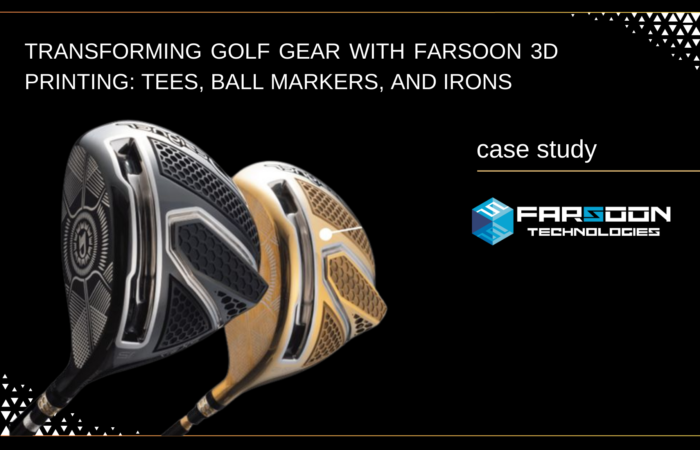
Transforming Golf Gear with Farsoon 3D Printing: Tees, Ball Markers, and Irons

  • Why 3D Printing Is
  • Transforming Golf Equipment
  • 3D Printed Golf Tees: Less Resistance, More Distance
    Precision-Engineered Ball Markers: Personalization & Durability
  • Game-Changing 3D Printed Irons: Strength, Speed, and Accuracy
  • Real-World Performance:
  • How 3D Printing Benefits Golfers
  • The Future Of 3D Printed Golf Equipment
  • FAQ

Golfers are always looking for an edge—more precision, better control, and gear that lasts. Now, 3D printing is making that possible. From custom-fit irons to aerodynamic tees, advanced manufacturing is transforming how golf equipment is designed and produced.
Why does this matter?
Better performance – Lightweight, aerodynamic, and optimized for your game.
Total customization – Adjust weight, flexibility, and design for a perfect fit.
Stronger, longer-lasting gear – Durable, high-performance materials that outperform traditional options.
At Additive Plus, we are proud to present 3D printing solutions by Farsoon—a leader in metal and polymer additive manufacturing. With Farsoon’s cutting-edge technology, golfers can access next-level innovation—from tees that reduce resistance to clubs engineered for maximum power.
Let’s explore how 3D printing is changing the game.

Why 3D Printing Is Transforming Golf Equipment

Traditional golf equipment manufacturing relies on casting, forging, and injection molding—methods that limit design possibilities and customization. 3D printing removes those barriers. It allows for precise control over weight distribution, aerodynamics, and structural integrity, leading to performance-enhancing designs that were once impossible.
With Farsoon’s industrial metal and polymer 3D printers, manufacturers can:
Create complex geometries – Internal lattice structures reduce weight while maintaining strength.
Optimize materials – Use high-performance titanium, polymers, and composites for better durability and flexibility.
Accelerate innovation – Rapid prototyping and small-batch production mean faster development cycles.
This means golfers get equipment that’s engineered for maximum efficiency and tailored to their needs—without the limitations of traditional manufacturing.

3D Printed Golf Tees: Less Resistance, More Distance

A small change in your tee can make a big difference in your shot. Traditional tees create friction and resistance at impact, subtly affecting ball speed and accuracy. With Farsoon’s polymer 3D printing, golf tees can be designed with aerodynamic shapes, ultra-lightweight materials, and even lattice structures that minimize resistance.

Key benefits of 3D-printed golf tees:

  • Less friction, more ball speed – Optimized designs reduce contact area for cleaner strikes.
  • Stronger and more durable – High-performance polymers resist breakage better than wood or plastic.
  • Custom designs for precision players – Adjustable height, flex, and impact absorption tailored to different playing styles.

With Farsoon’s 3D printing solutions from Additive Plus, golfers can experience tees that are engineered for performance, not just convenience.

Precision-Engineered Ball Markers: Personalization & Durability

Ball markers are an essential part of every golfer’s kit, and now, thanks to 3D printing, they can be more than just functional—they can be personal. Traditional ball markers are often simple, mass-produced items, but 3D printing allows golfers to create custom-designed markers that reflect their personal style or brand. Using Farsoon’s metal 3D printing technology, intricate engravings, logos, and textures can be added with precision, ensuring each marker is unique and distinct.

The benefits of 3D-printed ball markers are clear:

  • Customization at its best – Personalize your ball marker with logos, names, or unique designs that stand out on the green.
  • Durability for the long game – Made from high-quality metals, these markers are built to withstand the elements without losing their integrity.
  • Optimal weight and balance – The right weight ensures your marker stays in place, giving you the confidence that your focus is on the game, not on your gear.

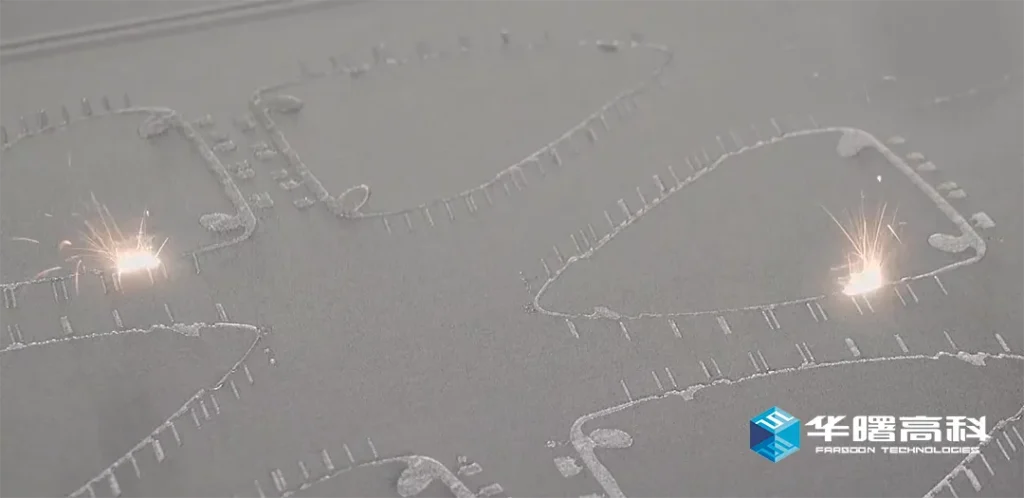
Farsoon’s laser powder bed fusion (LPBF) process allows for precise detail and strength, making these markers as functional as they are stylish. Whether for personal use or as part of a branded set for tournaments or corporate events, these ball markers are a game-changer.

Game-Changing 3D Printed Irons: Strength, Speed, and Accuracy

Why should golf equipment manufacturers invest in 3D printing for irons?
Metal 3D printers offer the ability to create custom-designed irons with precision, faster production cycles, and enhanced performance. Traditional forging methods limit design flexibility and customization, but 3D printing eliminates these barriers. With Farsoon’s technology, manufacturers can produce irons with optimized internal structures, including lattice designs that reduce weight while maintaining strength.
Key benefits for manufacturers:

  • Custom-fit designs – Create irons that meet specific player needs, adjusting weight distribution, loft angles, and balance for a personalized fit.
  • High-performance materials – Use advanced alloys like titanium for stronger, lighter clubs with improved performance and durability.
  • Rapid prototyping – Quickly iterate and test designs, accelerating the time-to-market for new products and allowing brands to stay competitive.


For manufacturers looking to differentiate themselves and improve product offerings, investing in Farsoon’s 3D printing equipment means delivering high-quality, custom golf irons that outperform traditional options and meet evolving player demands.

640-4

Real-World Performance: How 3D Printing Benefits Golfers

The integration of 3D printing in golf equipment is revolutionizing performance, and the latest innovation from the Japanese lifestyle golf brand, “Designer,” demonstrates just how impactful it can be. 

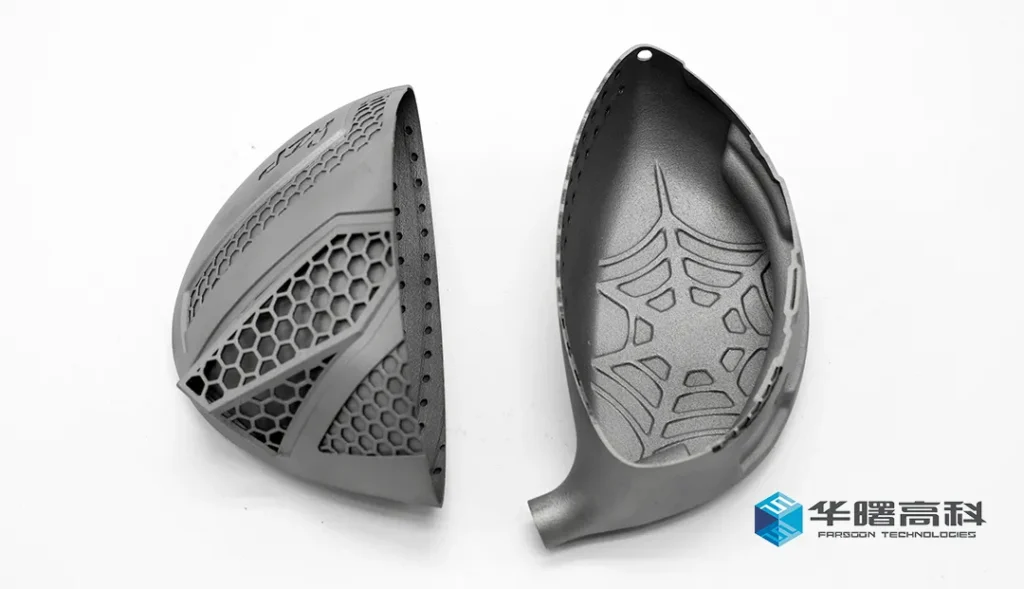
Their new 3D-printed titanium golf club head, produced using Farsoon’s metal 3D printing technology, is already turning heads in the golf world. With its global launch set for January 2023, this product highlights the game-changing potential of 3D printing for golfers seeking enhanced distance, accuracy, and stability.

640-6

Here’s how Farsoon’s 3D printing technology has directly benefited golfers:

Benefit

Description

Material Innovation

The use of custom titanium alloy provides a lightweight, strong club head, offering a faster impact surface and enhanced durability for more powerful and precise strikes.

Design Flexibility

3D printing enables rapid iterations and innovative designs, like self-supporting internal structures, resulting in thinner, stronger, and more textured clubheads.

Enhanced Control

The integration of the club head as a single piece eliminates weight distribution inconsistencies, offering greater stability and resistance to twisting for better accuracy.

Aerodynamics & Sound Quality

Aerodynamic features reduce drag, increasing clubhead speed, while the “Sound window” design enhances the auditory feedback upon impact for a more satisfying sound.

Cost-Effective Manufacturing

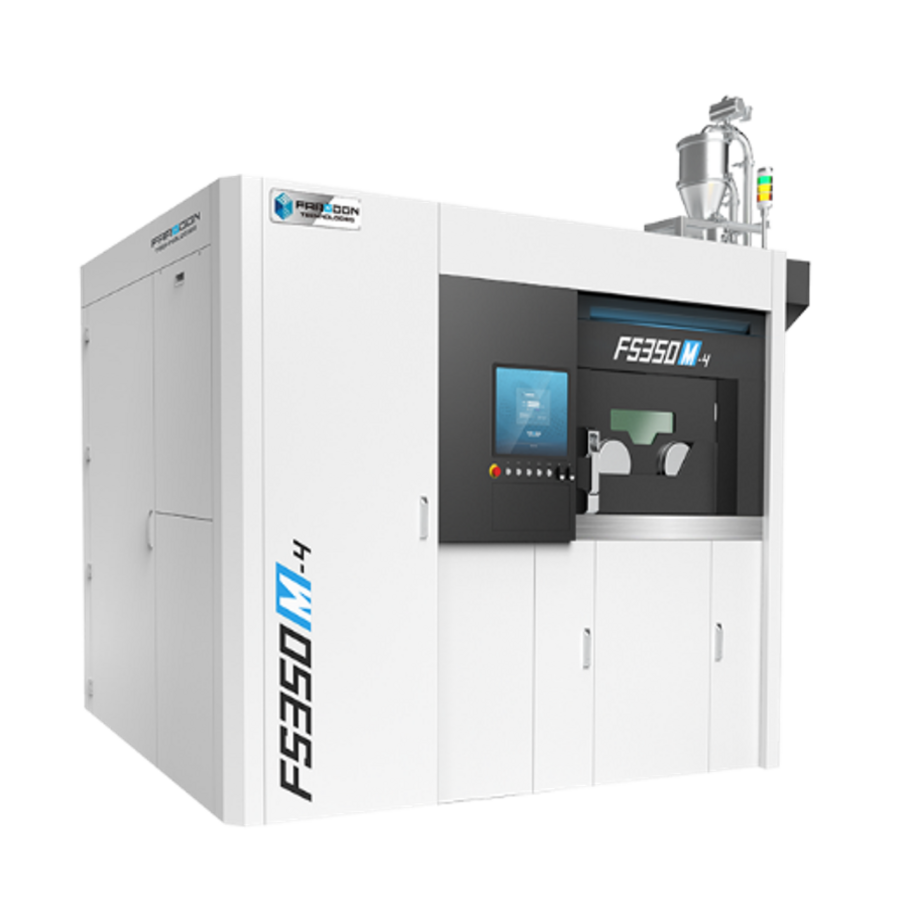
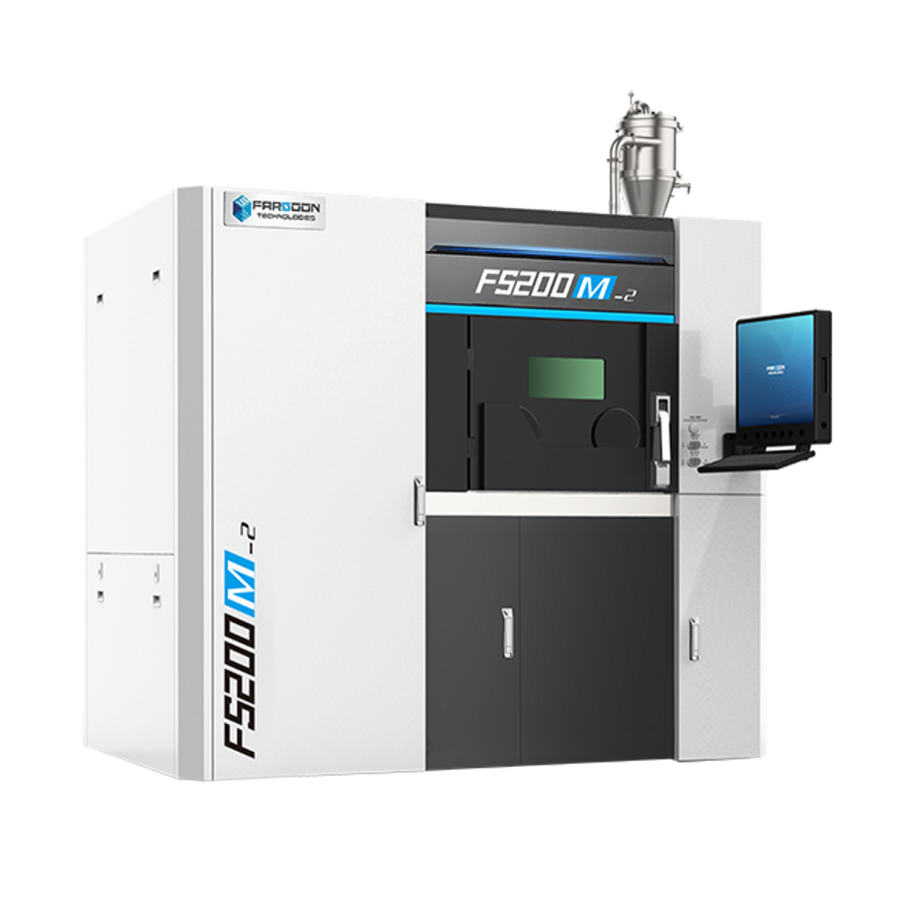
The use of Farsoon’s FS200M dual-laser system reduces manufacturing costs by about 70%, ensuring efficient production while maintaining high-quality standards.

This combination of enhanced performance and cost savings showcases how 3D printing isn’t just transforming the design process, but also directly benefiting golfers by delivering clubs that are faster, more accurate, and more durable.

Buy Farsoon FS200M-2 with financing available today!

The Future Of 3D Printed Golf Equipment

The future of 3D printing in golf lies in personalization and sustainability. With advancements like AI and generative design, manufacturers can craft custom equipment tailored to each player’s unique needs, improving both performance and comfort

At the same time, 3D printing reduces material waste, offering more sustainable production methods. On-demand manufacturing will also allow golf clubs and retailers to produce personalized gear on-site, cutting wait times and costs.

Farsoon’s cutting-edge technology is at the forefront of this revolution, enabling precise, efficient, and sustainable golf equipment for the years ahead.

At Additive Plus, we are proud to partner with Farsoon, providing innovative industrial solutions that integrate 3D printing technologies into various industries, including golf. 

With over a decade of experience, we help our clients transition to additive manufacturing, offering top-tier 3D printing solutions and a wide range of materials to meet the needs of any project. Our mission is to empower businesses to accelerate their projects with flexible financial solutions and exceptional support.

Contact us or request a quote on this journey toward a more personalized, sustainable, and innovative future for golf equipment!

FAQ

1. How does 3D printing improve the performance of golf tees?

3D printed golf tees are designed with aerodynamic shapes and lightweight materials, reducing friction and resistance at impact. This results in faster ball speed and more precise strikes, offering golfers a distinct advantage over traditional tees. Additionally, 3D printing allows for customization, enabling tees tailored to a player’s unique playing style.

Yes, 3D printing is an excellent solution for creating customized golf accessories, such as 3D printer golf ball markers. These markers can be designed with personalized engravings and unique shapes, making them functional and stylish. With 3d print golf accessories, players can add a personal touch to their gear while enjoying precision and durability.

When it comes to 3D printed golf clubs, manufacturers often use high-performance metals like titanium, as well as polymers and composites. These materials offer the right balance of strength, lightweight properties, and aerodynamic performance, enabling the creation of golf clubs and accessories that outperform traditional designs.

Absolutely. 3D printed golf clubs, including 3D printed golf irons and drivers, are designed using advanced 3D printing technologies like metal LPBF (Laser Powder Bed Fusion). These clubs offer exceptional strength, durability, and performance. Farsoon’s metal 3D printing technology allows the creation of custom titanium alloys that provide a lightweight, yet robust structure ideal for professional play.

3D printed golf clubs offer numerous advantages, such as the ability to create complex geometries and self-supporting internal structures. This means better weight distribution, improved precision, and more aerodynamic designs that enhance distance and accuracy. Additionally, 3D printing allows for rapid prototyping, so golfers can experiment with new designs and make adjustments quickly.

3D printing disc golf accessories offers unique possibilities, including the creation of custom disc molds and even 3D printed golf tees specifically designed for disc golf. These printed tees can feature optimal height and flexibility for disc golfers, providing a tailored experience for both casual and competitive play.

While it is possible to 3D print golf tees, ball markers, and certain accessories at home using a 3D printer for golf tees, creating full golf clubs or 3D printed golf irons would typically require specialized equipment and materials. Industrial-grade 3D printers, such as those used by Farsoon, offer the precision and capability needed to print high-performance golf clubs and other complex components at a professional level.

3D printing reduces material waste compared to traditional manufacturing methods like casting or forging. In addition, on-demand production means that manufacturers can produce customized golf clubs and accessories as needed, eliminating overproduction and excess stock. This not only saves resources but also reduces the carbon footprint associated with golf equipment production.

3D printing golf clubs can be more cost-effective, especially for small batches or custom designs. While traditional methods like forging and casting require expensive molds and tooling, 3D printing reduces production costs by enabling faster design iterations and on-demand manufacturing. Additionally, the use of advanced 3D printing technology, such as Farsoon’s FS200M dual-laser system, offers faster production and cost savings by about 70% compared to traditional methods.

The future of 3D printing in golf looks exciting, with advancements in material technology, AI-driven designs, and customization paving the way for more precise, personalized, and innovative golf equipment. Expect more custom-fit golf clubs, aerodynamic golf tees, and performance-enhancing accessories as 3D printing continues to evolve and reshape the golf industry.

Request a quote

Scan My Object

Please describe your part and scanning needs. Include details like size, material, and how you plan to use the 3D model. Let us know if you require additional services like digital sculpting. Upload images of your part(s) if you have them.

Ask for details

Partner with us

Get instant quote

Talk to Material Expert

Select the unit of measurement for your file
No 3D file? We’ve got you. We can design it for you or scan your existing part.
Upload a photo or drawing if you have one — we’ll get in touch soon.
Select the unit of measurement for your file
No 3D file? We’ve got you. We can design it for you or scan your existing part.
Upload a photo or drawing if you have one — we’ll get in touch soon.
Select the unit of measurement for your file
No 3D file? We’ve got you. We can design it for you or scan your existing part.
Upload a photo or drawing if you have one — we’ll get in touch soon.
Select the unit of measurement for your file
No 3D file? We’ve got you. We can design it for you or scan your existing part.
Upload a photo or drawing if you have one — we’ll get in touch soon.