Struggling with aligning your 3D printed parts? This guide offers step-by-step instructions, tips, and techniques to ensure accurate, seamless fitment every time.
How To Choose A Metal (DMLS) 3D Printer For Research Laboratories: From Basic Features To Advanced Technologies
● Key Considerations: Size, Material Versatility and Open-Parameters Software
● How Different Print Volumes Support Research Applications
● Redefining LPBF With Blue Laser Innovation
● AO Metal DMLS 3D Printers In Research Labs
Innovation in research laboratories relies on precision, efficiency, and advanced technology. 3D printing has become an integral tool in this process, enabling researchers to produce intricate prototypes, develop novel materials, and validate concepts in a controlled environment. Currently, over 68% of businesses utilizing 3D printing do so for prototyping and small-scale production.
Whether it’s for prototyping, jigs & fixtures, patient-specific implants in healthcare or high-performance alloys in material science, additive manufacturing accelerates research workflows and enhances productivity. However, selecting the right 3D printer requires careful consideration of key features.
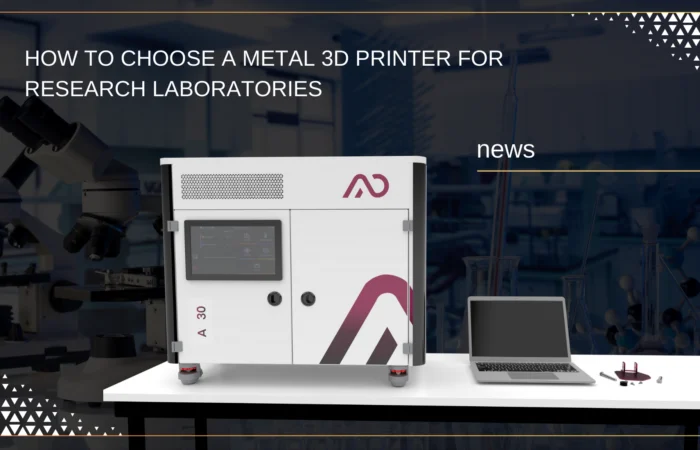
This guide provides insights into essential specifications and highlights research-optimized models such as the metal DMLS printer A30 and A50.
Key Considerations: Size, Material Versatility and Open-Parameters Software
Approximately 66% of research and education institutions operate their own 3D printers. When selecting a 3D printer for a research lab, three critical factors should guide your choice: a compact design, compatibility with rare and specialized materials, and the flexibility of open-source software. Here’s why these elements matter and how to assess them effectively.
-
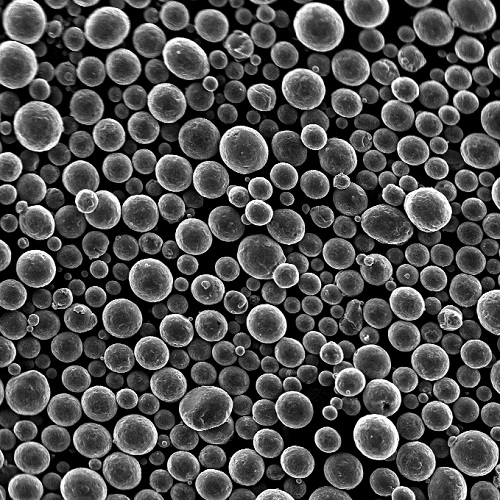
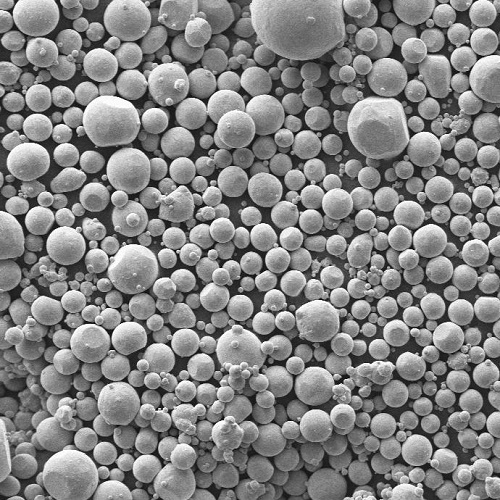
Aluminum Alloy Powder AlSi10Mg – High-Performance Metal 3D Printing Powder 11 lbs / 5kg
Aluminium AlSi10Mg is a widely used alloy that combines light weight and good mechanical properties
-
Compatible platform:
Metal LPBF
-
Type:
Metal Powders
-
Compatible platform:
-
Nickel Alloy Powder | Inconel 625 powder | 22 lbs / 10 kg
The Alloy Nickel Inconel 718 is a nickel-chromium alloy with high strength and corrosion resistance
-
Compatible platform:
Metal LPBF
-
Type:
Metal Powders
-
Compatible platform:
Compact Design: Maximizing Limited Lab Space
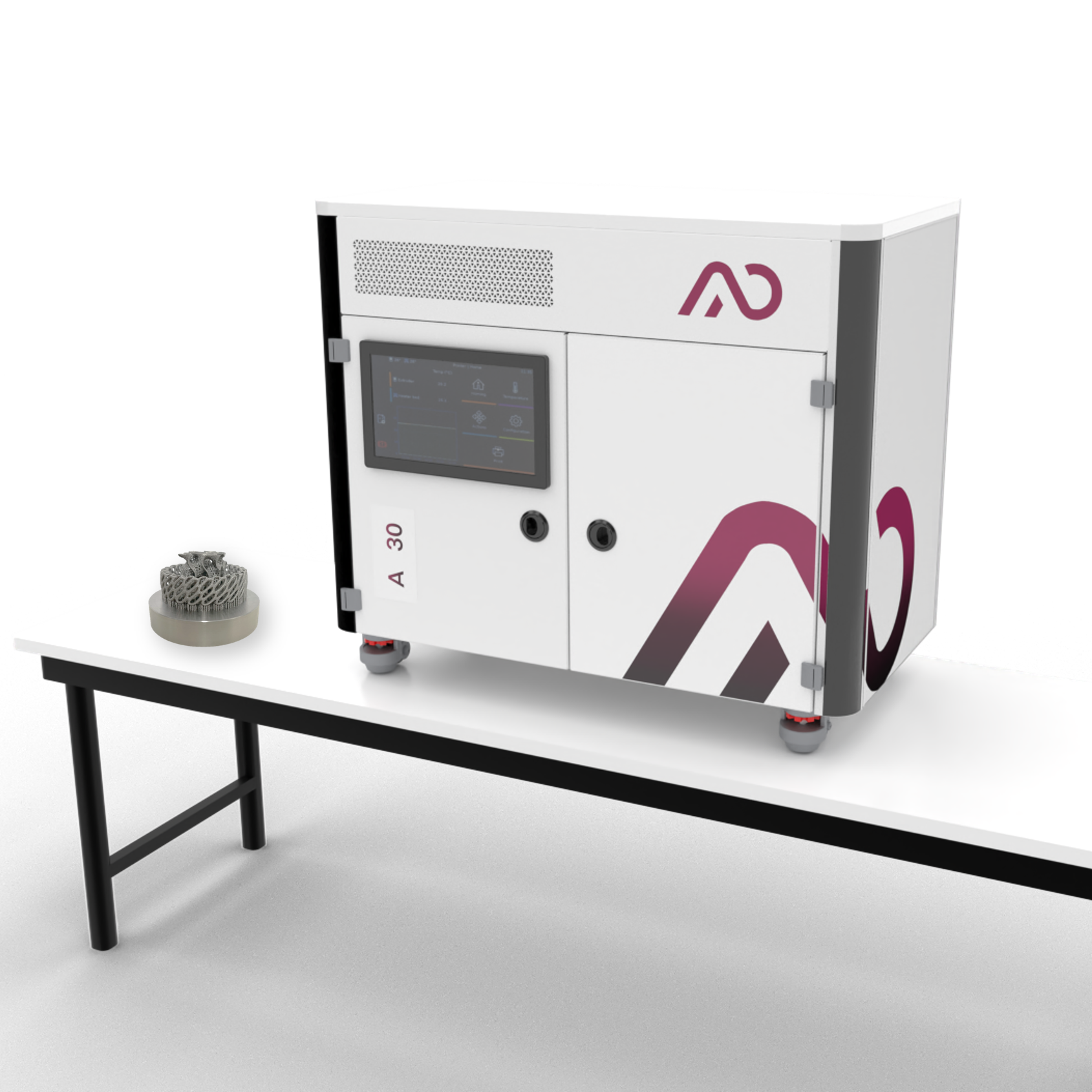
Research facilities frequently struggle with space constraints, which makes large equipment impractical. Compact 3D printers, such as the A30, are made to easily fit through doors and into elevators, making them ideal for small spaces. This removes the need for complex installations or expensive modifications. A30 is a desktop solution.
- As lab setups change, smaller printers provide flexibility by being simple to move and reposition.
- Seek out models that, in spite of their small size, still offer excellent performance.
- Integration into shared or multipurpose research environments is made easier by a space-efficient design.
- Small 3D printers tend to have facility requirements that are easier to meet.
Material Compatibility: Expanding Research Possibilities
Research often involves experimenting with materials beyond traditional manufacturing options,such as biocompatible titanium for medical implants, refractory alloys for aerospace, or biodegradable magnesium for biomaterials. The ability to work with diverse materials is essential for innovative research.
Metal DMLS 3D printers will allow the materials research to expand their capabilities, for example in the research of High entropy alloys. These alloys are composed of five or more elements in near-equal proportions, which results in unique properties such as high strength, corrosion resistance, and excellent thermal stability. HEAs are being explored for a variety of applications, including aerospace and energy industries, due to their promising performance in extreme conditions.
Having access to powerful 1064nm laser can open the doors of working with a broader spectrum of AM materials.
Printers like the AO DMLS A50, for example, integrate a powerful 500W to 1000W 1064nm laser, which allows working with virtually any metal in powder form. Additionally, something that makes it stand out from other high-performance industrial equipment is its ability to integrate a blue laser 445nm wavelength, which is effective for 3D printing highly reflective materials such as gold, platinum, and pure copper.
- Look for systems with fast material changeover (under an hour) to improve workflow efficiency.
- Versatile material compatibility allows labs to conduct cross-disciplinary research.
- Advanced blue laser technology broadens labs to research more materials and to find new applications
Open-ParametersSoftware: Enabling Research Flexibility
In research, customization is essential. Labs can adjust printing parameters for particular experiments using open-parameters 3D printing software, which promotes innovation without limitations.
- For exact control, change parameters like layer thickness, scanning speed,laser power, scanning strategies, etc.
- Researchers can collaborate by sharing profiles through an open-parameters platform.
- Choose printers with flexible, long-term software to avoid the drawbacks of proprietary systems.
Research labs can invest in a 3D printing solution that satisfies their present needs while remaining flexible for future developments by giving priority to compactness, material compatibility, and open-parameters functionality. These characteristics facilitate a variety of research requirements, guarantee smooth lab integration, and open up fresh avenues for creativity.
How Different Print Volumes Support Research Applications
The size of a 3D printer’s build volume plays a crucial role in determining its suitability for specific research tasks. Large printers are great assets for industry, while printers with specialized print volumes such as Ø30×60 mm, Ø50×100 mm, and Ø100×100 mm—offer tailored solutions for a wide range of laboratory applications. Each build size is designed to enhance efficiency and optimize material and argon or other gas usage based on experimental needs.
Ø30×60 mm: Precision for Small-Scale Experiments
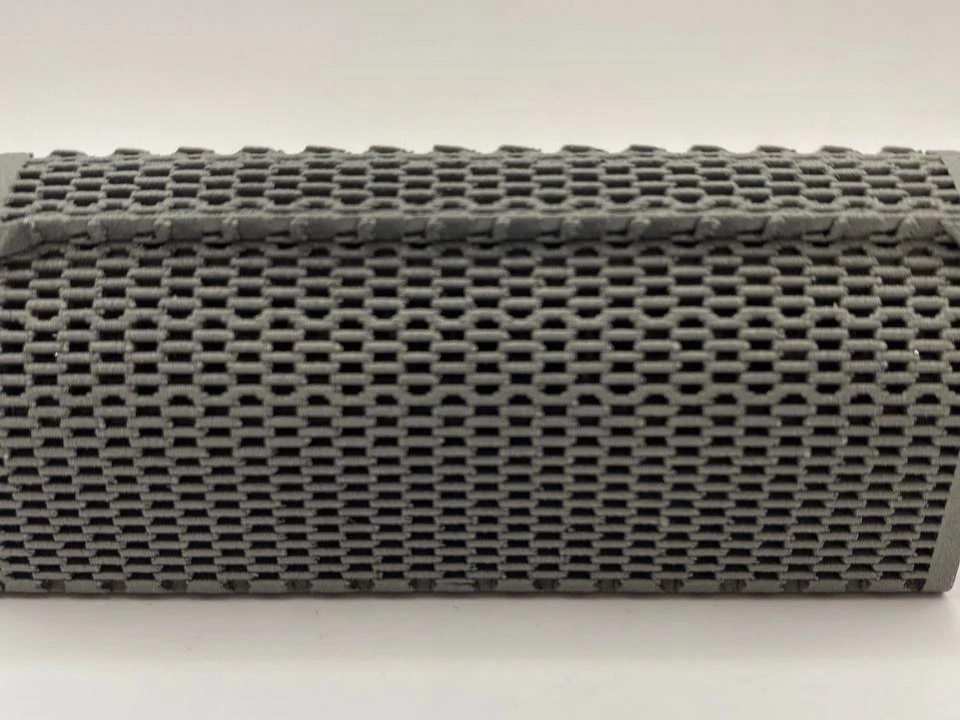
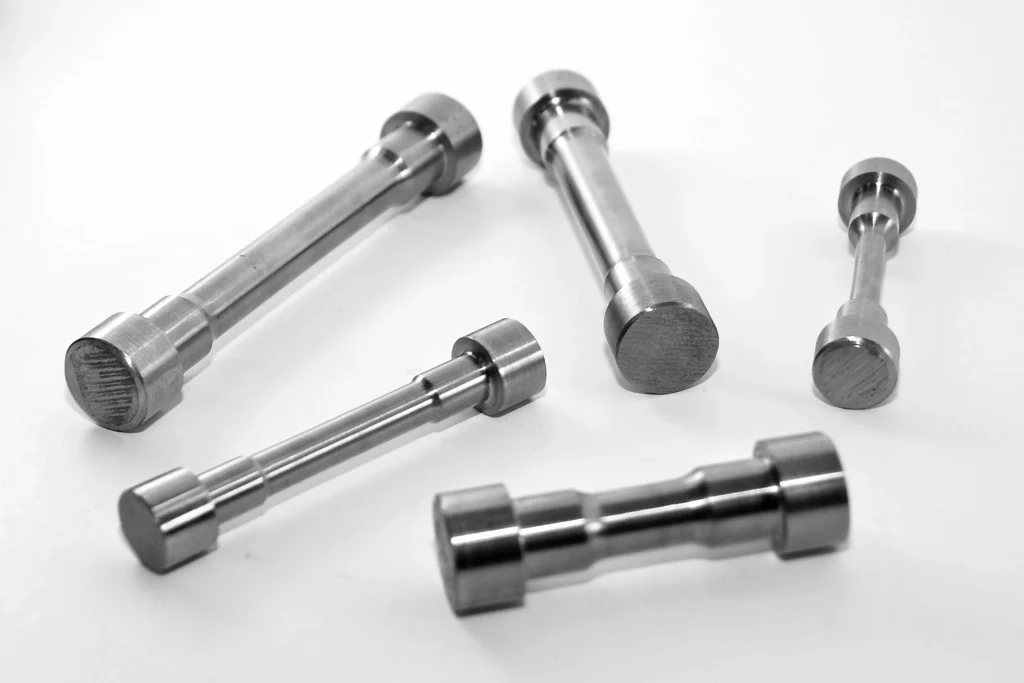
This compact build volume is ideal for producing intricate components like gyroids, short tensile specimens, and material-testing prototypes. Its small footprint minimizes material waste, making it perfect for high-precision research or when working with costly rare materials.
Ø50×100 mm: Versatile for Medium-Sized Prototypes
Balancing compactness and functionality, this print volume is well-suited for structural prototypes, small medical implants, and aerospace prototypes or specimens that require both precision and moderate size. It offers flexibility for a range of research applications without excessive material consumption.
Ø100×100 mm: Accommodating Larger Research Needs
Designed for experiments involving complex assembly prototypes, with the ideal size for tooling and prototyping while having a conservative entry level build volume.
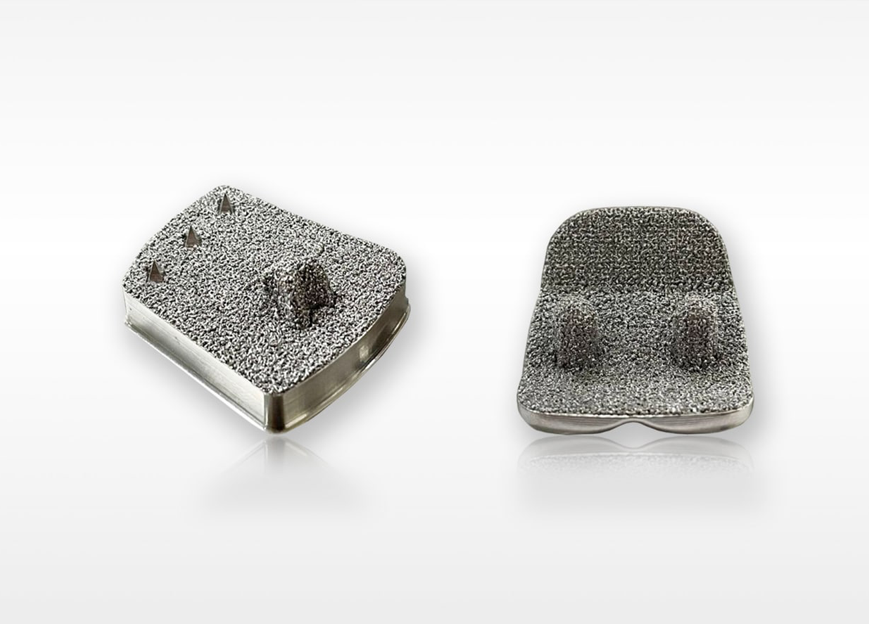
Ø100×100 mm 3D printer could be the ideal set up for custom 3D printed medical implants in surgical grade titanium (Ti64 grade 5 or grade 23), or for production in dental applications where Chrome Cobalt is often used.
This build volume supports applications in automotive research, advanced tooling, and multi-material components. It allows for larger printers to print while maintaining high accuracy.
Optimized for Experimentation and Material Efficiency
The availability of multiple print volumes ensures that researchers can select the best option based on project requirements and material constraints:
- Smaller build volumes help conserve expensive materials like self developed materials and precious metals reducing waste while maintaining precision.
- Larger print areas enable rapid prototyping of bigger components, industrial scale production, multiple iterations in a single print run, accelerating research workflows.
- Flexible sizing options eliminate the need for multiple machines, making 3D printing more adaptable in multidisciplinary research environments.
By offering diverse print volumes, 3D printers empower research laboratories to optimize space, materials, and productivity,ensuring that projects of any scale are executed with precision and efficiency.
Redefining LPBF With Blue Laser Innovation
AO Metal Team were the first to introduce an LPBF (Laser Powder Bed Fusion) printer featuring a blue laser, revolutionizing the ability to print highly reflective metals like pure copper and platinum—materials that traditional infrared lasers struggle with.
Their partnership with Oak Ridge National Laboratory (ORNL) highlighted this breakthrough, leading to the development of a compact, open-parameter system optimized for alloy research. This innovation laid the groundwork for our A30, A50, and A100 metal DMLS 3D printers, designed to meet the evolving needs of research laboratories.
From heating systems to compact, lab-friendly designs, every AO printer is engineered to provide researchers with adaptable, high-performance tools for material exploration and development.
-
A30 Metal 3D Printer – High Precision & Durability
A compact LPBF system with one 200-watt laser for small series metal production.
-
Technology:
Metal LPBF
-
Materials:
Metal Powders
-
Technology:
A30 Metal 3D Printer: Compact and Cost-Effective for Research
The A30 is a space-efficient, budget-friendly metal 3D printer, ideal for research labs and educational institutions. It delivers high-quality prints at low operating costs, making it perfect for prototyping and small-scale production.
Key Features:
✔ No need of special facility requirements: The A30 is a desktop LPBF system that works with 1 Phase electrical connection.
Build Volume: Ø30×60 mm, optimized for intricate, high-precision parts
✔ Material Compatibility: Supports metals like aluminum, titanium, and stainless steel
✔ Fast Material Change: Powder swaps in under an hour for seamless experimentation
✔ Compact Design: Desktop design. Fits easily into space-constrained labs.
✔ Cost Efficiency: Low operational expenses make it an accessible option for research teams
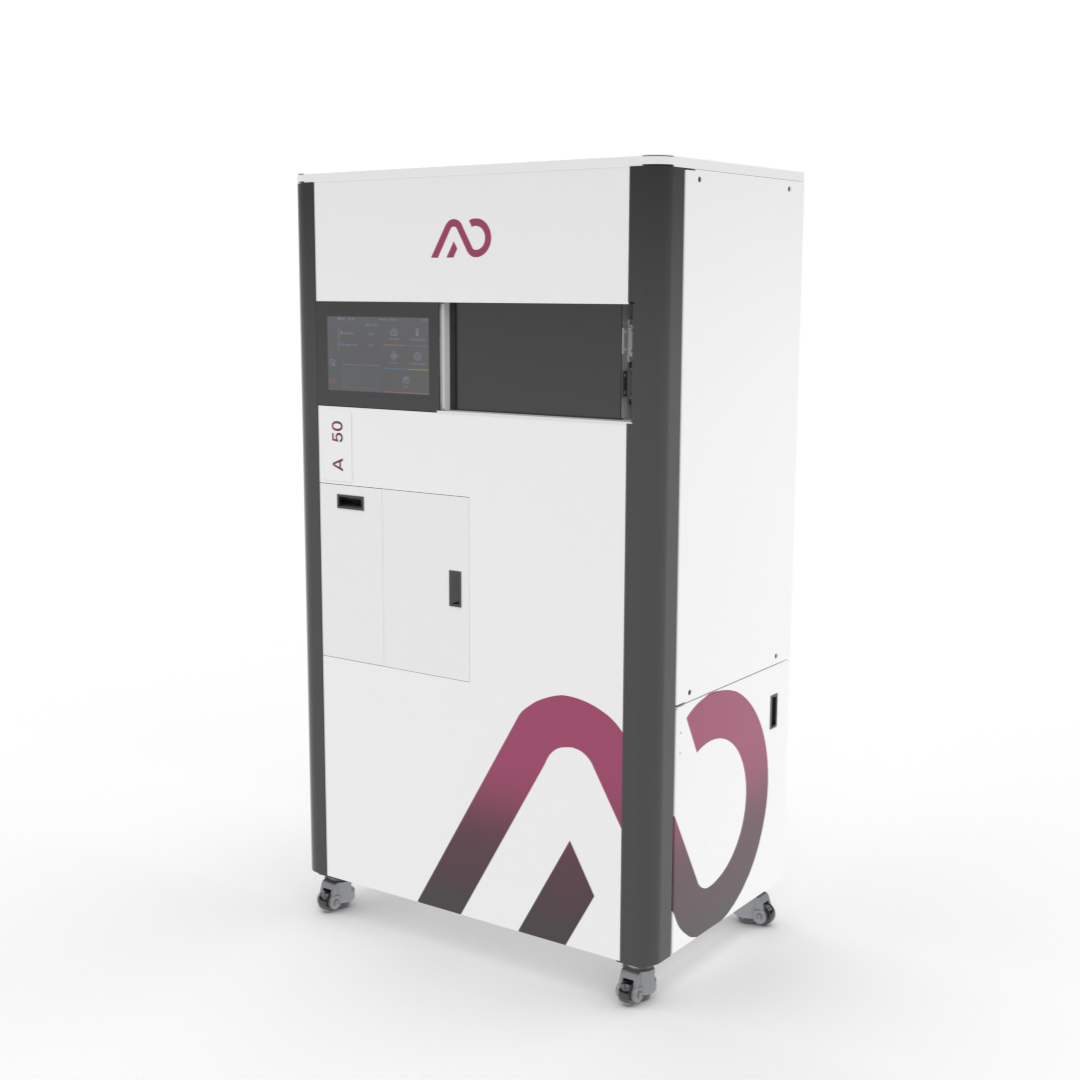
A50 Metal 3D Printer: Precision and Versatility for Advanced Research
The A50 is designed for larger, more complex metal prints, offering enhanced precision and greater material flexibility. Its 500W laser ensures high-density parts and broader material capabilities, making it well-suited for advanced research and industrial applications. This system can be equipped with up to 1000W IR laser and/or Blue laser.
Key Features:
✔ Build Volume: Ø50×100 mm, enabling the benchmarking, prototyping and production of small parts, specially in self developed, scarce and precious materials, or producing dental or medial parts in Titanium or Chrome Cobalt..,
✔ Material Compatibility: Processes metals like stainless steel, titanium, and Inconel, and many other speciality and custom materials.
✔ Superior Print Quality: High-precision printing for smooth, dense parts
✔ Fast Powder Swaps: Material changes in under 3 hours for increased efficiency
✔ Open-Source DMLS Platform: Customizable settings for tailored research applications
✔ Cost-Effective Maintenance: Designed for long-term reliability at minimal cost
-
A50 Metal 3D Printer – High Precision & Durability
A compact LPBF system with 1x300W laser for small series metal production.
-
Technology:
Metal LPBF
-
Materials:
Metal Powders
-
Technology:
AO Metal 3D Printers In Research Labs
AO Metal 3D printers are designed for researchers driving innovation. With their compact form, broad material compatibility, and open-source flexibility, they simplify complex research challenges—whether it’s prototyping intricate components or experimenting with novel materials.
By integrating advanced 3D printing technology, labs can streamline workflows, minimize material waste, and accelerate breakthroughs. Investing in AO Metal DMLS 3D printers empowers research teams to expand their capabilities and stay at the forefront of scientific progress.
Ready to take your research to the next level?
Get a quote today to explore AO Metal 3D printers for your future projects!
FAQ
Why is a compact design important for a 3D printer in a research lab?
A compact design is crucial because many research facilities face space constraints. Smaller printers can easily fit into limited spaces, allowing for flexible placement and movement within the lab. This eliminates the need for complex installations and makes it easier to integrate the printer into shared or multipurpose environments.
What materials can I use with metal 3D printers?
Metal 3D printers offer compatibility with a wide range of materials, including traditional metals and specialized options like biocompatible titanium, refractory alloys, and biodegradable magnesium. Advanced models, such as the AO Metal A50, can work with virtually any metal powder due to their powerful lasers, including innovative materials like high-entropy alloys.
What is open-parameters software, and why is it beneficial?
Open-parameters software enables researchers to customize printing settings according to their specific experimental needs. This flexibility allows for precise control over factors like layer thickness, scanning speed, and laser power. Additionally, it promotes collaboration among researchers by allowing them to share customized profiles and settings.
What advantages does advanced laser technology provide in metal 3D printing?
Advanced laser technology, such as the 1064nm and blue laser 445nm wavelengths found in some printers, significantly enhances material compatibility. The ability to work with highly reflective materials like gold and platinum expands the range of applications and allows for the exploration of new materials in research.
Can small 3D printers still deliver high-quality results?
Yes, AO Metal compact 3D printers are designed to deliver excellent performance despite their size. Look for models with proven track records in print quality and reliability to ensure that you can achieve the desired results in your research.
How do different print volumes optimize material efficiency?
Different print volumes help researchers conserve materials by selecting the appropriate size for their projects. Smaller volumes reduce waste when using expensive materials, while larger volumes facilitate rapid prototyping and multiple iterations in a single print run, enhancing overall productivity.
Can multiple print volumes eliminate the need for multiple machines?
Yes, having access to various print volumes allows labs to streamline their operations by using fewer machines. This flexibility makes 3D printing more adaptable in multidisciplinary research environments, where diverse project requirements can be met with a single printer capable of handling different sizes.
Explore What’s New in 3D Printing
Innovative Composite 3D-Printed Suspension Components for Lunar Rover
Top 5 Heat-Resistant Plastics for High-Temperature Applications
Polyamide vs Nylon: Key Differences, Strengths, and Best Uses
Join Additive Plus at RAPID + TCT 2025 for the Launch of AO Metal 3D Printers
TPR vs TPE: Understanding the Differences and Choosing the Right Material
Additive Plus Joins Axtra3D as Official Professional Reseller
316 vs 304 Stainless Steel: Which One Is Best for Your Project?
Redefining Automotive Innovation with Rapid Prototyping
3D Printing Troubleshooting: Common 3D Printing Issues and How to Fix Them