TPR vs. TPE: Understanding the Differences and Choosing the Right Material
Introduction to Thermoplastic Elastomers (TPE) and Thermoplastic Rubber (TPR)
Thermoplastic Elastomers (TPE) and Thermoplastic Rubber (TPR) are two types of flexible materials commonly used in various industries for their elasticity, durability, and ease of processing. These materials have gained significant popularity due to their ability to combine the characteristics of rubber and plastic, making them ideal for a broad range of applications. Understanding the differences between these materials is essential to select the right one for specific applications, especially when performance, cost, and environmental impact are considered.
What Are Thermoplastics?
Thermoplastics are polymers that become pliable or moldable when heated to a certain temperature and solidify upon cooling. Unlike thermosetting plastics, thermoplastics can be remelted and reprocessed multiple times without losing their essential properties. This property makes them suitable for various manufacturing processes, including injection molding, extrusion, blow molding, and thermoforming. Common thermoplastics include polypropylene, polyethylene, and polyvinyl chloride (PVC). Thermoplastics are known for their high impact strength, low cost, and recyclability, making them a popular choice for consumer products, packaging, automotive parts, and industrial applications.
What Is a Thermoplastic Elastomer?
Thermoplastic elastomers (TPEs) are a class of materials that combine the characteristics of rubber and plastic. They offer the elasticity and flexibility of elastomers along with the processing advantages of thermoplastics. TPE materials are unique because they provide a soft, rubbery feel while still being moldable and reprocessable like regular thermoplastics. They are extensively used in industries such as automotive, medical, construction, consumer goods, and electronics. The adaptability of TPEs allows manufacturers to fine-tune their properties to meet specific requirements, including hardness, tensile strength, and chemical resistance.
Overview of TPR and TPE Materials
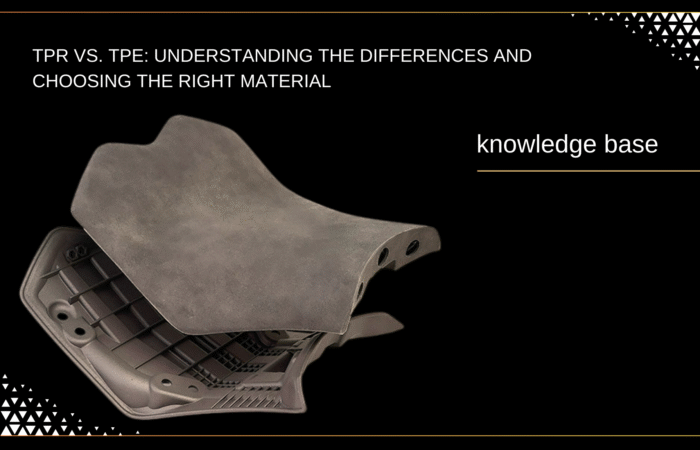
TPR and TPE share several qualities, but they differ in their chemical composition, physical properties, and applications. TPR is a type of TPE that behaves more like traditional rubber used in 3d printing, providing excellent grip and flexibility, which makes it ideal for applications where a soft-touch feel is desired. On the other hand, TPE offers greater versatility in applications due to its broader range of mechanical and chemical properties, making it a preferred choice for many manufacturers.
What Is TPR Material?
Thermoplastic Rubber (TPR) is a type of material that combines the characteristics of rubber with the ease of processing of thermoplastics. Its durability, flexibility, and ability to be molded repeatedly make it a popular choice for various applications. TPR materials are often selected for their excellent abrasion resistance, cushioning properties, and superior grip, which makes them suitable for manufacturing high-performance consumer products and industrial components.
Understanding Thermoplastic Rubber Material
TPR materials are made by blending polymers that provide rubber-like elasticity while maintaining thermoplastic properties. This unique combination allows TPR to be processed using conventional plastic manufacturing techniques, such as injection molding and extrusion. TPR is commonly used as a cost-effective alternative to traditional rubber, offering comparable performance without the high processing costs associated with vulcanization.
Properties and Characteristics of TPR
TPR materials are valued for their high flexibility and elasticity, which allows them to stretch and return to their original shape without damage. They also offer excellent abrasion resistance, which makes them suitable for applications where durability is essential. The superior grip and cushioning provided by TPR make it a preferred material for producing items that require a soft-touch feel and impact resistance. Additionally, TPR materials exhibit good resistance to weather, aging, and chemicals, enhancing their reliability in various industrial applications. The ease of processing TPR through conventional methods such as injection molding and extrusion makes it highly efficient and cost-effective for large-scale manufacturing.
Common Applications of TPR Material
TPR materials are widely used in numerous industries due to their adaptability and performance. In the footwear industry, TPR is frequently utilized in manufacturing shoe soles and grips, where its slip-resistant properties and cushioning capabilities are highly valued. The material is also commonly used for making handles and grips for tools and sports equipment, where its soft texture and excellent grip enhance user comfort. TPR is considered a safe material for children’s toys and fitness accessories because of its non-toxic properties and ability to withstand repetitive use. Additionally, its resilience and elasticity make it ideal for producing seals and gaskets in various industrial and automotive applications, as well as in medical devices where flexibility and safety are critical.
Common Applications of TPR Material
TPR materials are widely used in numerous industries due to their adaptability and performance. In the footwear industry, TPR is frequently utilized in manufacturing shoe soles and grips, where its slip-resistant properties and cushioning capabilities are highly valued. The material is also commonly used for making handles and grips for tools and sports equipment, where its soft texture and excellent grip enhance user comfort. TPR is considered a safe material for children’s toys and fitness accessories because of its non-toxic properties and ability to withstand repetitive use. Additionally, its resilience and elasticity make it ideal for producing seals and gaskets in various industrial and automotive applications, as well as in medical devices where flexibility and safety are critical.
Applications of TPR and TPE in Different Industries
TPR and TPE materials are applied across various industries thanks to their exceptional properties. In the medical industry, TPE is frequently used for producing tubing, seals, and flexible components that require biocompatibility and sterilization capabilities. Its non-toxic and durable nature makes it suitable for medical devices, healthcare equipment, and pharmaceutical packaging.
In the automotive sector, TPE is often preferred for producing components such as seals, gaskets, and weatherproofing parts due to its ability to withstand harsh environmental conditions. Meanwhile, TPR is used for manufacturing grips, handles, and shock-absorbing elements, enhancing user comfort and safety.
The consumer goods industry heavily relies on TPE for products like soft-touch grips, household items, and children’s toys. Its flexibility and recyclable nature make it a desirable choice for manufacturers prioritizing both performance and environmental sustainability. TPR, with its excellent grip and abrasion resistance, is ideal for making footwear, sports equipment, and fitness accessories.
In industrial applications, TPR is valued for its mechanical resilience, while TPE is appreciated for its broad temperature tolerance and chemical resistance, making it suitable for electrical insulation and sealing applications.
conclusion
Choosing between TPR and TPE ultimately depends on the intended application, performance requirements, and environmental considerations. Understanding the strengths and weaknesses of each material will help manufacturers and designers make informed decisions, ensuring the best performance for their products.
Explore What’s New in 3D Printing
Additive Plus Joins Axtra3D as Official Professional Reseller
316 vs 304 Stainless Steel: Which One Is Best for Your Project?
3D Printing Troubleshooting: Common 3D Printing Issues and How to Fix Them
Shining 3D Scanners: Revolutionizing Measurement and Inspection Across Industries
Step-by-Step Guide: How to Smooth the Top Layer of Your 3D Prints
3D Printing: How to Make Supports Easy to Remove for Flawless Prints
Related Posts
Introduction to Thermoplastic Elastomers (TPE) and Thermoplastic Rubber (TPR) Thermoplastic Elastomers (TPE) and Thermoplastic Rubber…