Struggling with aligning your 3D printed parts? This guide offers step-by-step instructions, tips, and techniques to ensure accurate, seamless fitment every time.
How SLA 3D Printing is Reshaping the Rapid Casting Industry
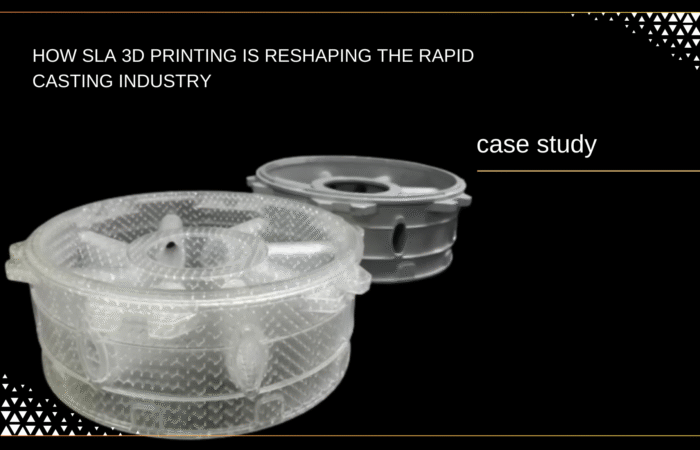
Ever feel like the traditional process of creating patterns for casting is slow and costly? You’re not alone. The good news is that a cutting-edge technology called SLA 3D printing is offering a faster and more precise way to approach this.
Think about the time and expense involved in traditional pattern making. What if you could create highly accurate patterns with greater speed and potentially lower costs? That’s where SLA 3D printing for casting is making a significant impact. It’s a method that’s transforming manufacturing processes in the casting world.
At Additive Plus, we understand the demands of the modern casting industry. We offer a range of industrial high-precision 3D printers that utilize technologies like SLA 3D printing to create intricate and accurate patterns.
This technology is a key component in rapid prototyping in the casting industry, allowing for quicker turnaround times and greater design flexibility.
Understanding Traditional Rapid Casting
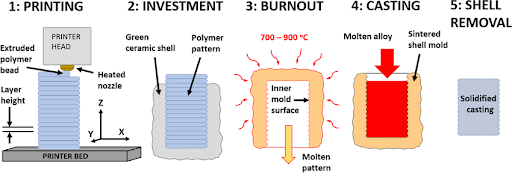
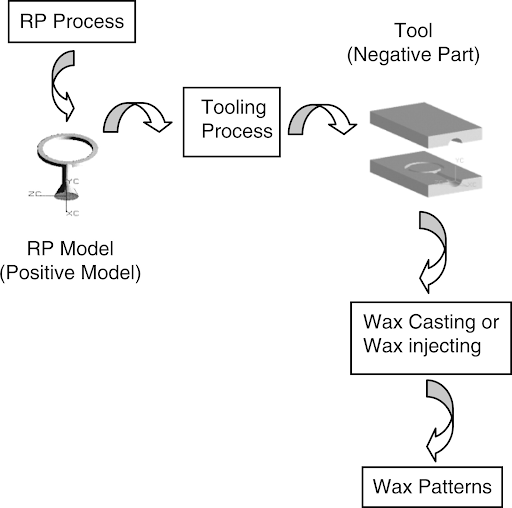
The traditional way of creating patterns for rapid casting, often called investment casting, involves several steps. Typically, it starts with making a master pattern, often from wax.
This wax pattern needs to be incredibly precise because it directly influences the final metal part. Skilled craftspeople often carve these wax patterns by hand, which can be a time-consuming and labor-intensive process.
Here are some of the key limitations of this traditional approach:
- Time-Consuming Manual Pattern Creation: Hand-carving wax patterns requires significant skill and time.
- High Labor Costs: The need for skilled labor in pattern making contributes to overall production expenses.
- Limitations in Complexity: Creating intricate geometries and fine details can be challenging and sometimes impossible with manual techniques.
- Slow Iteration Cycles: Making design changes often necessitates creating new patterns from scratch, leading to lengthy development times.
Once the wax pattern is ready, it’s coated with a ceramic slurry to create a mold. This mold then needs to dry and harden. After that, the wax is melted out, leaving a cavity in the shape of the desired part. Molten metal is poured into this cavity, and once it cools and solidifies, the ceramic mold is broken away to reveal the final casting.
While this traditional method has been used for a long time, the limitations highlighted above underscore the need for more efficient and flexible solutions in the modern casting industry.
Source: Sage Journals
The Rise Of SLA 3D Printing In Rapid Casting
Let’s explore how SLA 3D printing is stepping in as a powerful alternative to traditional methods in rapid casting.
Source: Research Gates
-
Same-Day SLA Printing - Start at Just $50
Ultra-precise resin 3D printing for detailed prototypes with smooth surfaces and fine features.
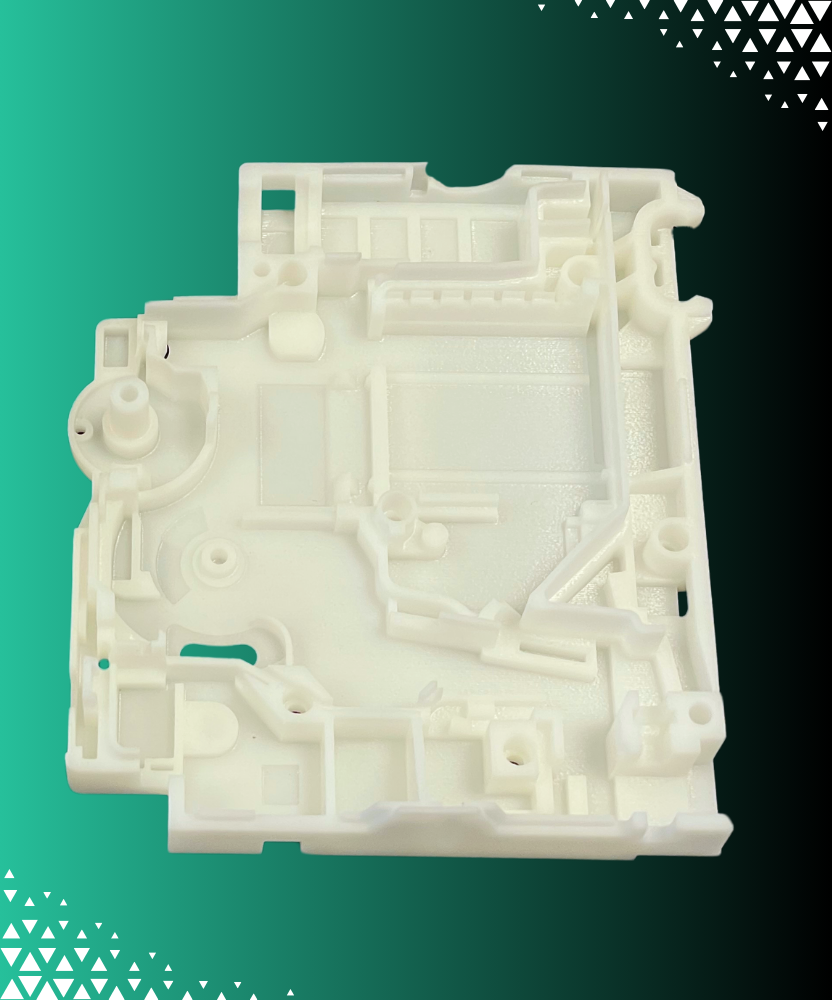
SLA 3D printing is emerging as a significant game-changer for the rapid casting industry by offering solutions to many of the limitations of traditional wax pattern creation. Instead of relying on manual carving, SLA uses a process called stereolithography. This involves using a UV laser to cure liquid resin layer by layer, building a three-dimensional object directly from a digital design.
When applied to SLA 3D printing for casting, intricate and highly accurate patterns can be created directly from CAD (Computer-Aided Design) files. This digital approach offers several key advantages. Complex geometries and fine details, which were once difficult or impossible to achieve with manual carving, can now be produced with relative ease.
Furthermore, SLA 3D printing significantly speeds up the pattern-making process. What used to take days or even weeks with traditional methods can now be accomplished in hours. This rapid turnaround time is crucial for rapid prototyping in the casting industry, allowing for quicker design iterations and faster production cycles.
The ability to go directly from a digital design to a physical pattern eliminates the need for extensive tooling and skilled manual labor, potentially leading to significant cost reductions and increased efficiency in the overall casting process.
V Resin KS168C: A Material Solution For Advanced SLA Casting
Now that we’ve seen how SLA 3D printing is changing the game, let’s talk about a specific material that’s making it even more effective for rapid casting: UV Resin KS168C. The choice of material is crucial in any 3D printing process, and for casting, certain properties are especially important.
UV Resin KS168C, offered by Kings3D, is specifically designed for high-quality 3D printing applications, including casting. It offers several key advantages:
- Exceptional Precision and Accuracy: Crucial for creating high-quality casting patterns that translate directly to the final metal part.
- Medium Viscosity: Ensures easy recoating during the printing process and simplifies the cleaning of parts and the printer.
- Good Green Strength: Minimizes the risk of damage to the printed pattern during handling before the casting process.
- Easy and Complete Burnout: Designed to leave a clean mold cavity after burnout, which is essential for high-quality castings.
Beyond these benefits, UV Resin KS168C also contributes to improved strength and dimensional stability of the printed parts, even in humid conditions. This ensures that the patterns maintain their integrity throughout the casting process.
The combination of these features makes UV Resin KS168C a powerful material for advancing the capabilities of SLA 3D printing for casting.
-
UV Resin KS168C – Precision Resin for High-Quality 3D Printing
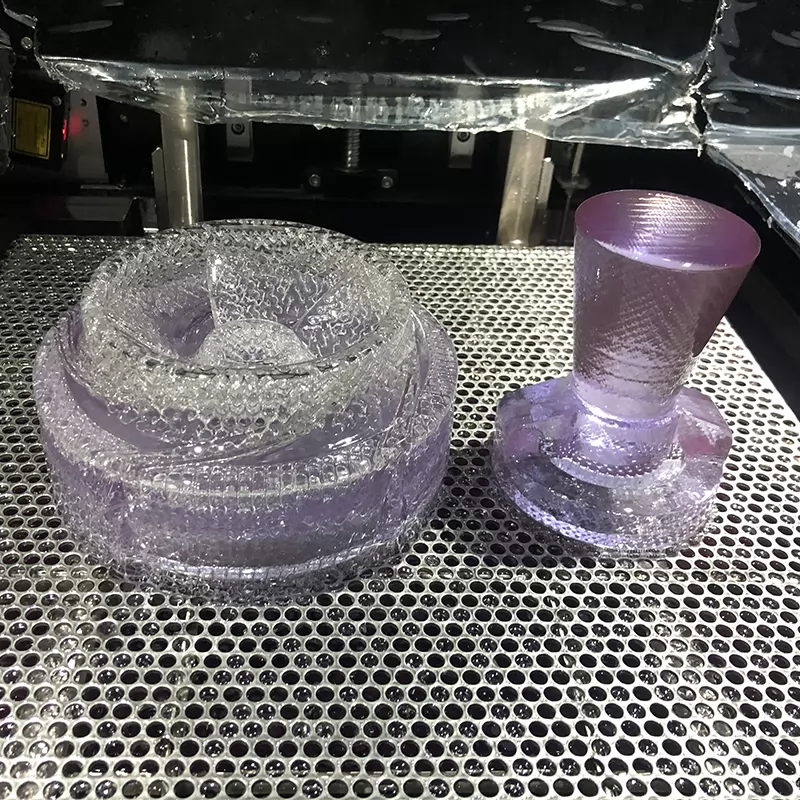
KS168C UV Resin is a clear SLA resin which has accurate and durable features.
-
Compatible platform:
SLA
-
Type:
Resins
-
Compatible platform:
The Impact And Advantages Of Using UV Resin KS168C In SLA Rapid Casting
The integration of SLA 3D printing with advanced materials like UV Resin KS168C is significantly impacting the rapid casting industry, offering tangible advantages over traditional methods.
- Cost Reduction: By enabling the direct printing of intricate patterns, the need for extensive manual carving and complex tooling is minimized, leading to lower labor and mold expenses.
- Shortened Mold Production Time: The speed of SLA 3D printing, combined with the user-friendly properties of UV Resin KS168C (like its medium viscosity and good green strength), allows for the rapid creation of complex molds in a fraction of the time required by conventional techniques. This speed is particularly beneficial for rapid prototyping in the casting industry, enabling faster design cycles and quicker time-to-market.
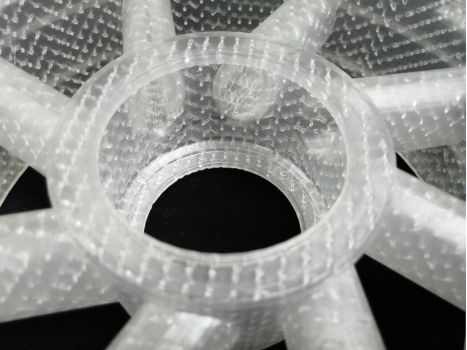
- Enhanced Design Flexibility: The high precision of SLA 3D printing when used with UV Resin KS168C allows for the creation of intricate structures and highly detailed textures in casting patterns. This empowers engineers and designers to produce more complex and refined casting products.
- Improved Casting Quality: The easy and complete burnout of UV Resin KS168C ensures a clean mold cavity, reducing the likelihood of defects in the final casting.
In essence, this synergy between SLA 3D printing and specialized resins like UV Resin KS168C is fostering a more efficient, precise, and innovative future for the rapid casting industry.
Additive Plus: Your Partner In Advanced Rapid Casting With SLA Technology
SLA 3D printing is revolutionizing rapid casting by offering faster, more precise pattern production. This technology, enhanced by specialized resins like UV Resin KS168C, leads to greater efficiency and innovation across industries.
Additive Plus empowers this shift by providing industrial SLA 3D Printers and printing solutions and expert support. Collaborating with trusted brands like Kings 3D Printers, we offer a range of equipment and services to optimize your casting processes.
Ready to explore the transformative power of SLA 3D printing for your business?