Physical Properties
One critical specification is the Melt Flow Rate (MFR), measured in grams per 10 minutes using the ASTM D1238 (230C/2.16kg) test procedure. APSX-PIM performs best with materials having an MFR higher than 3. A higher MFR value indicates better suitability for the machine.
This article explains the Melt Flow Index concept in more detail: Assess the Flowability of Polymers.
Injection Properties
Drying temperature and drying time: Certain materials require a drying process before use. Failing to dry the material adequately can result in poor part quality due to moisture content. Using a small oven for drying is recommended. For further details on the drying process, refer to the provided resource.
This article also a helpful one to read about the drying process.
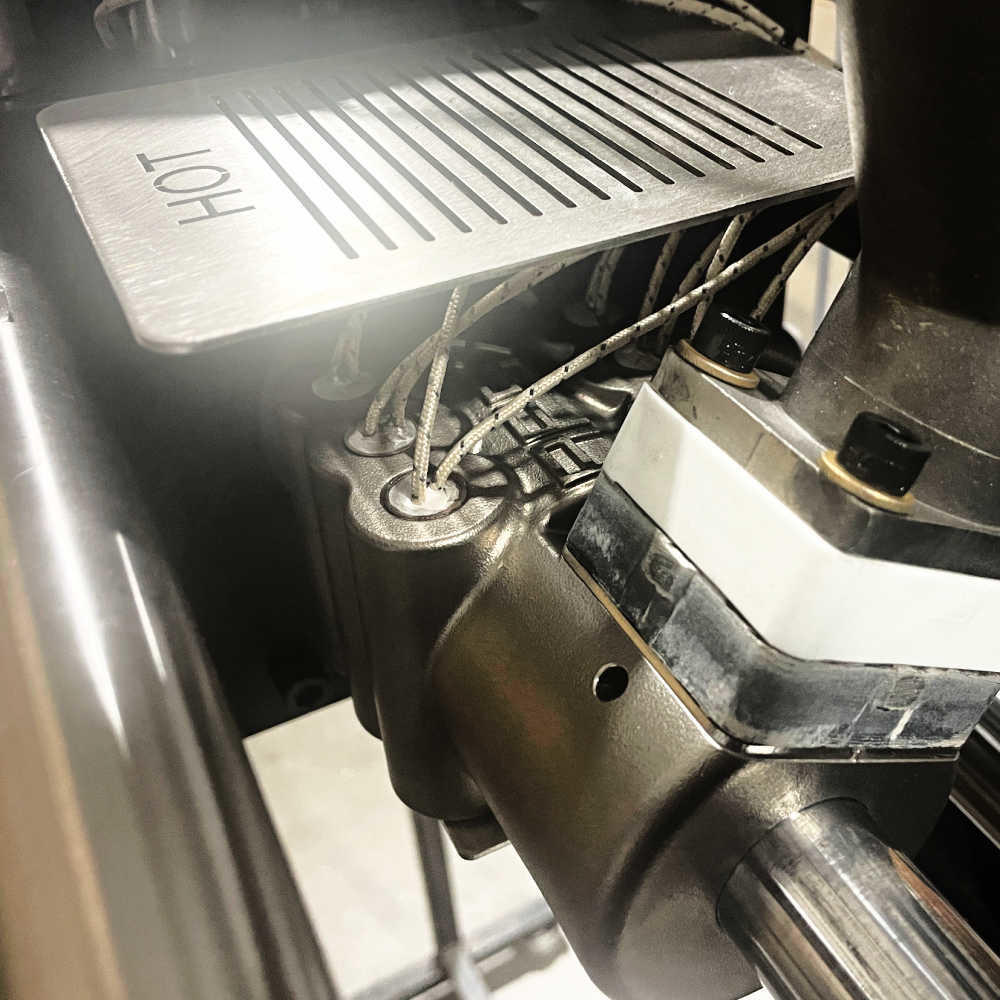
Processing Temperature: Each plastic material has a designated temperature range for processing. It is important not to exceed 310 degrees Celsius, as the APSX-PIM barrel temperature has a maximum limit. The majority of plastic materials used in injection molding fall within this range. However, exotic materials like Peek or Ultem may have processing temperatures close to 400 degrees Celsius.
End-Use Needs
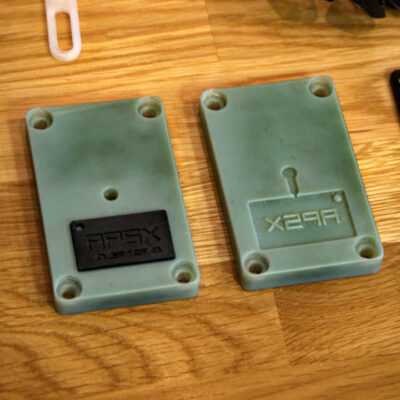
When selecting a plastic material for injection molding, it is crucial to consider both the part design features and the specific requirements of the end-use application. This decision influences the mold design, which should accommodate the chosen plastic’s shrinkage ratio. It is important to note that molds cannot be universally used for all plastics; each material requires careful consideration and customized mold design to ensure optimal results.
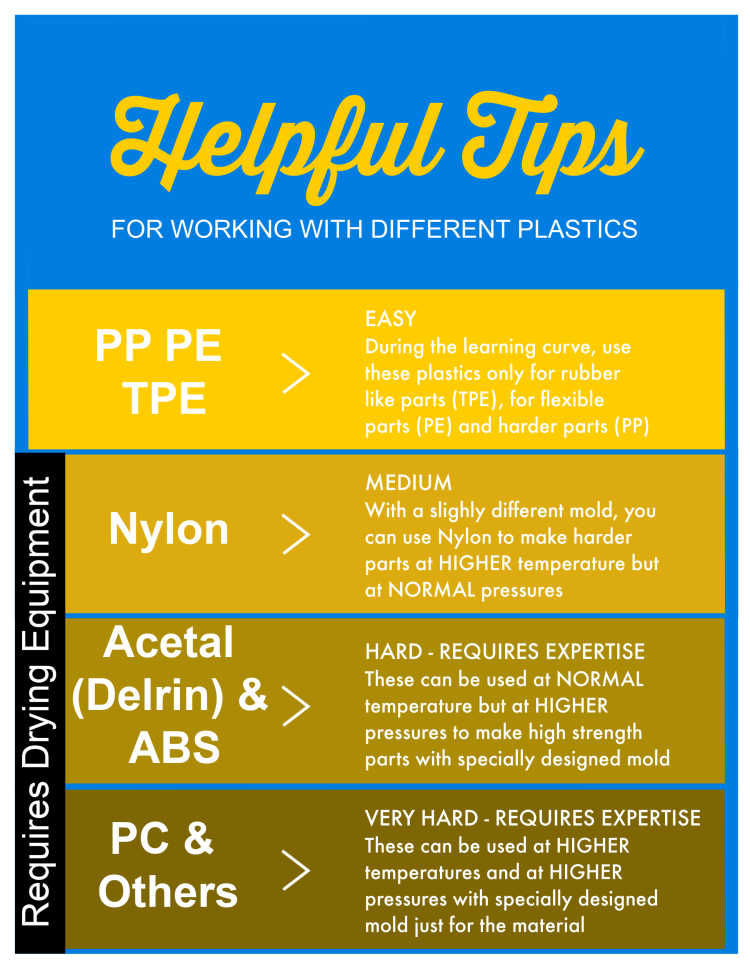
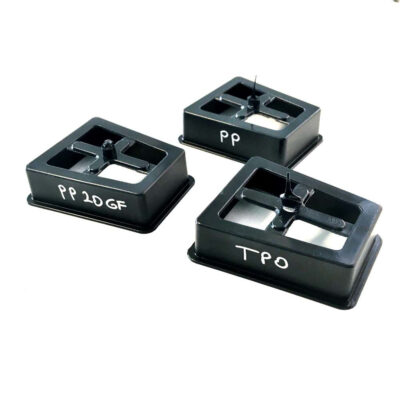
Polypropylene (PP) is commonly recommended, while glass-filled Polypropylene (PP-GF) can be a suitable alternative for ABS-like properties. PP does not require drying and is considered user-friendly. HDPE, TPE, and TPO are also user-friendly choices.
For thin walls, high-flow materials like Nylon are recommended.
Delrin (Acetal) is a high-strength material suitable for replacing metal parts. Polycarbonate (PC) can be used for a clear appearance, but chemical resistance may be a concern.
Sourcing and Market Conditions
Market conditions, including oil prices, pandemics, labor shortages, and natural disasters, can significantly impact the cost and availability of raw materials. Choosing common materials provides flexibility and a wider range of sourcing options in case of shortages or market fluctuations.
Surface Finish Requirements
Consider the desired surface finish type when selecting a material. For example, a rubbery texture may be essential for parts like handles to ensure a comfortable grip.
Molecular Compatibility
When planning to paint, weld, or overmold the part, it is crucial to select a material that is compatible with these processes. Not all plastics can be painted or bonded effectively.
Environmental Exposure and Regulatory Requirements
For outdoor applications, consider environmental exposure factors. UV protection is often necessary. In cases involving food-related part production, regulatory requirements, such as FDA approval, must be met.
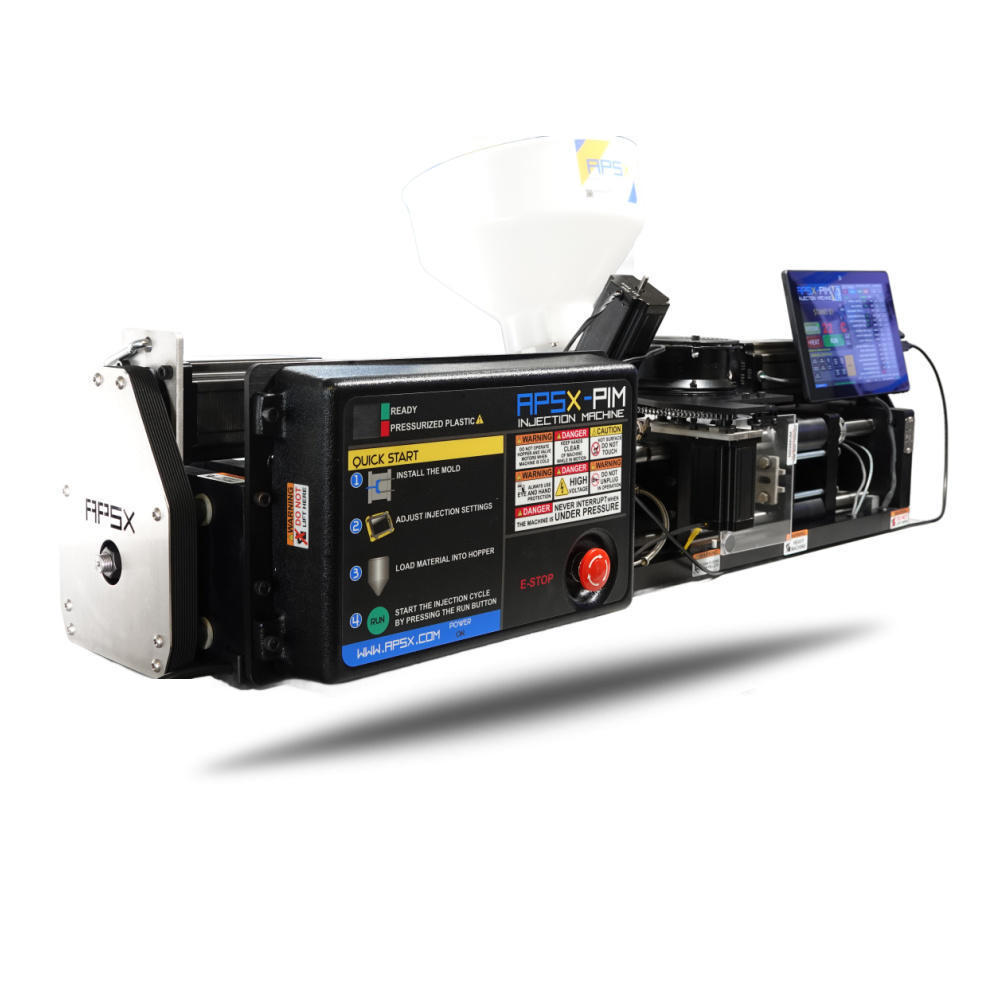
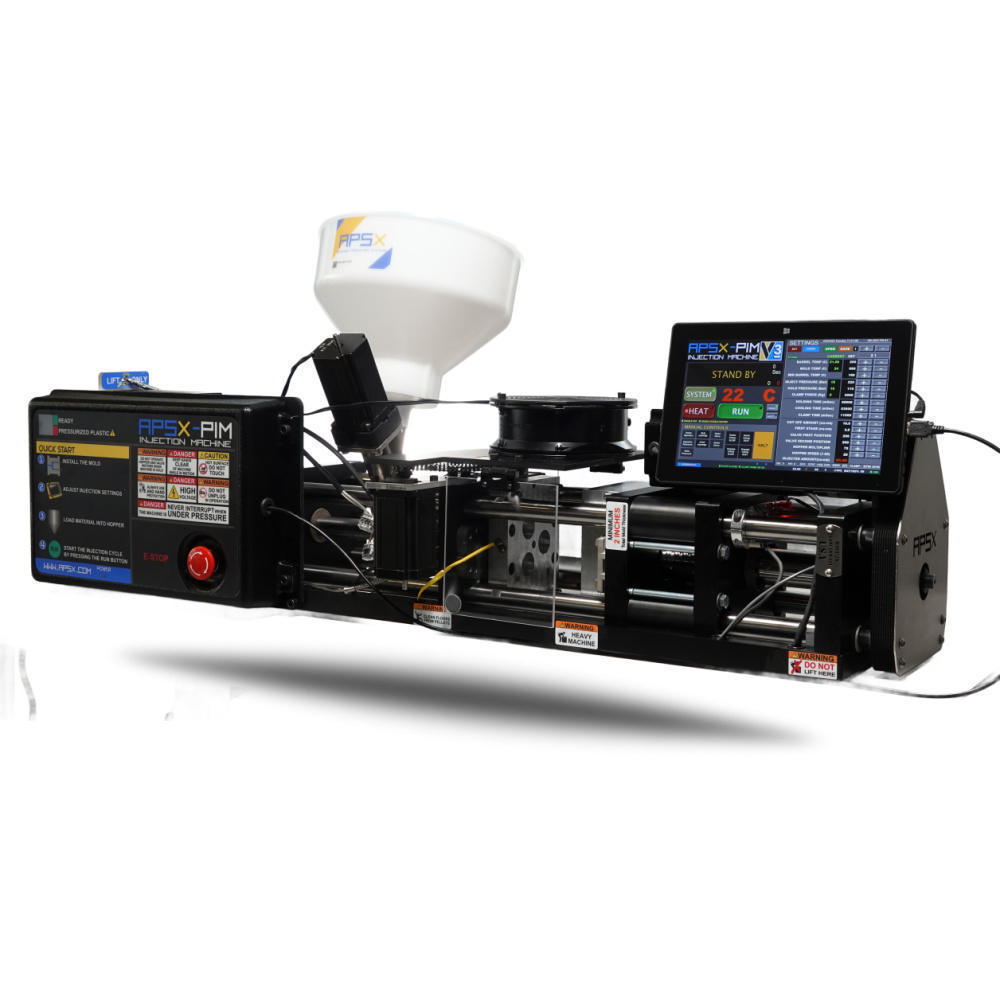
By considering these specifications and requirements for plastic materials, you can ensure optimal performance and high-quality production when using the APSX-PIM injection molding machine.