Skip to content
News_Additive-Plus

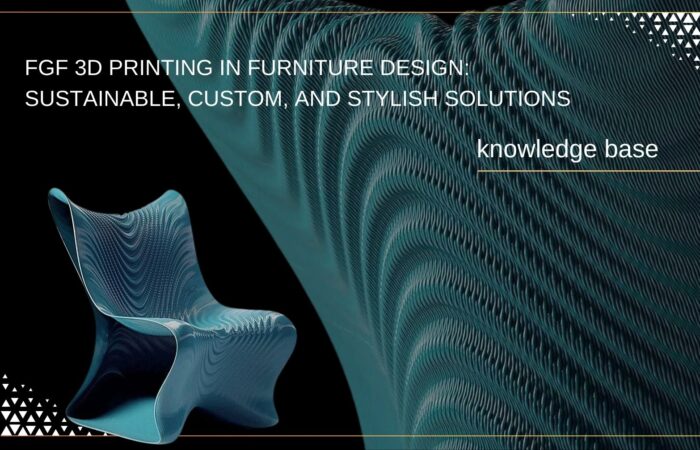
FGF 3D Printing in Furniture Design: Sustainable, Custom, and Stylish Solutions
Fused Granulate Fabrication (FGF) is revolutionizing how we think about furniture design. This innovative 3D printing technology is not just reshaping manufacturing processes; it’s paving the way for more sustainable, customizable, and stylish solutions in the furniture industry. 

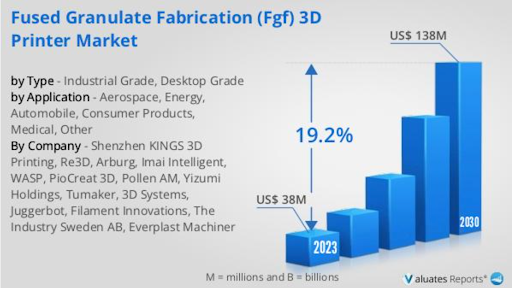
The global market for Fused Granulate Fabrication (FGF) 3D Printers was worth $38 million in 2023 and is expected to grow to $138 million by 2030, with a yearly growth rate of 19.2% from 2024 to 2030.

Whether you’re a designer seeking to push creative boundaries or a manufacturer focused on eco-friendly production, FGF 3D printing offers compelling advantages.

Imagine creating furniture that stands out not only for its design but also for its commitment to sustainability

At Additive Plus, we help integrate these technologies smoothly into existing processes and provide top-notch FGF printing services, ensuring both the design and functionality of furniture projects.

With FGF, we can turn recycled materials into high-quality, durable, and distinctive furniture pieces

Understanding FGF 3D Printing In Furniture Production

Fused Granulate Fabrication (FGF) stands out in the 3D printing world. Unlike the detailed, small-scale SLA or powder-based SLS, FGF uses granulated materials. This method is perfect for larger items and ideal for 3D printer furniture

It involves melting thermoplastic granules and extruding them layer by layer. This builds sturdy, large-scale objects.

The materials for FGF range from conventional polymers to innovative composites and even recycled materials. These choices are not just versatile but also environmentally beneficial. This makes FGF 3D printed furniture functional, robust, and green. Designers and manufacturers can combine strength, aesthetics, and eco-consciousness effortlessly. This opens up new possibilities for modern interior designs.

The materials for FGF range from conventional polymers to innovative composites and even recycled materials. These choices are not just versatile but also environmentally beneficial. This makes FGF 3D printed furniture functional, robust, and green. Designers and manufacturers can combine strength, aesthetics, and eco-consciousness effortlessly. This opens up new possibilities for modern interior designs.

Sustainability Benefits Of FGF 3D Printed Furniture

FGF 3D printing is transforming furniture manufacturing with significant sustainability benefits. 

Here’s how it makes a difference:

  • Reduces Material Waste: Traditional furniture production often results in substantial material leftover, but FGF 3D printing minimizes this waste. It uses materials only where needed, optimizing resource usage.
  • Uses Recycled and Bio-based Materials: FGF printers can utilize eco-friendly materials, including recycled plastics and bio-based polymers. This not only helps in reducing the environmental footprint but also promotes circular economy practices within the industry.
  • Energy-Efficient Production: The process is designed to be energy-efficient, using less power than conventional manufacturing methods. This reduces the overall carbon emissions associated with the production of furniture.
  • Eco-Friendly Alternatives: Using FGF 3D printing, furniture designers can offer sustainable alternative products to mass-produced items. This method creates durable and eco-friendly furniture, appealing to environmentally conscious consumers.

This approach supports environmental sustainability and opens up new possibilities for innovative furniture design and production.

Customization And Design Freedom

FGF 3D printing transforms furniture design with unparalleled customization and design freedom

Here’s how it enhances the customized design and manufacturing process:

Complex Designs Made Simple

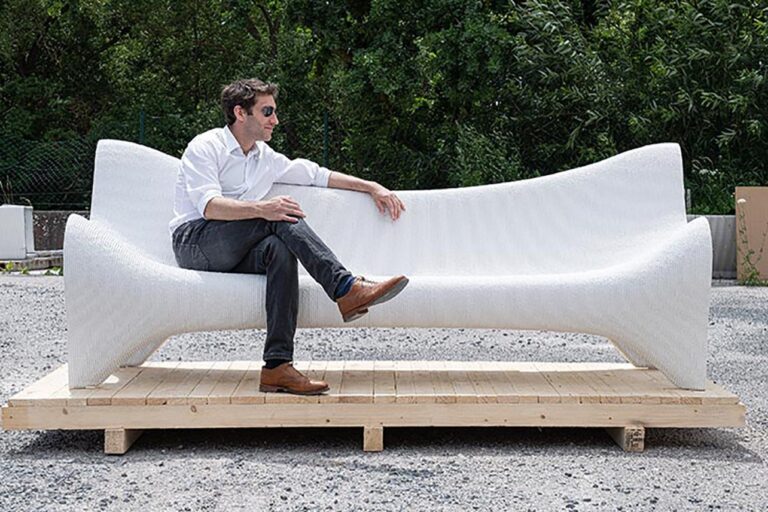
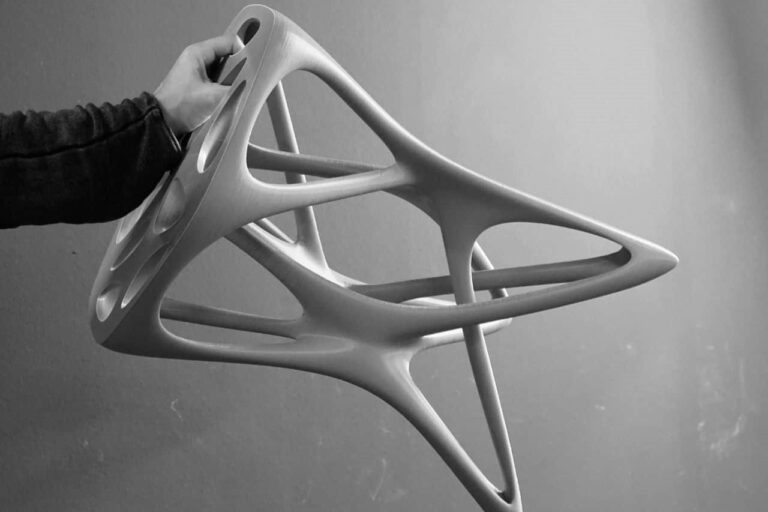
Unlock the potential to craft intricate and ergonomic furniture that aligns perfectly with modern aesthetics and comfort demands. FGF allows for the creation of designs previously too complex for traditional methods.

On-Demand Production

Tailor furniture to individual customer specifications on demand. This adaptability reduces lead times and cuts down on inventory overhead, offering a smarter way to meet consumer demands.

Empowering Mass Customization

With FGF technology, mass customization becomes viable and cost-effective. It bridges the gap between bespoke craftsmanship and mass production, delivering personalized furniture experiences at scale.

This approach not only elevates the style and functionality of furniture but also aligns perfectly with contemporary consumer expectations for personalized interiors.

Strength And Durability Of FGF 3D Printed Furniture

FGF 3D printing offers outstanding strength and durability to furniture, making it a competitive alternative to traditional materials like wood and metal.

  • Durability that Lasts: FGF-printed furniture is designed to withstand the rigors of daily use. Its robust mechanical properties ensure longevity, outperforming many conventional materials.
  • Rigorous Testing: Beyond crafting, every piece undergoes stringent testing. This ensures each item can handle stress and wear, providing durable furniture that maintains its integrity over time.
  • Assured Quality: Our commitment to excellence is evident in our meticulous quality control processes. Each piece is thoroughly inspected to uphold our standards for durability, ensuring you receive furniture that looks great and lasts.

By choosing FGF for your furniture needs, you invest in pieces that blend innovative design with enduring strength, enhancing your space’s style and functionality.

Style And Aesthetic Possibilities

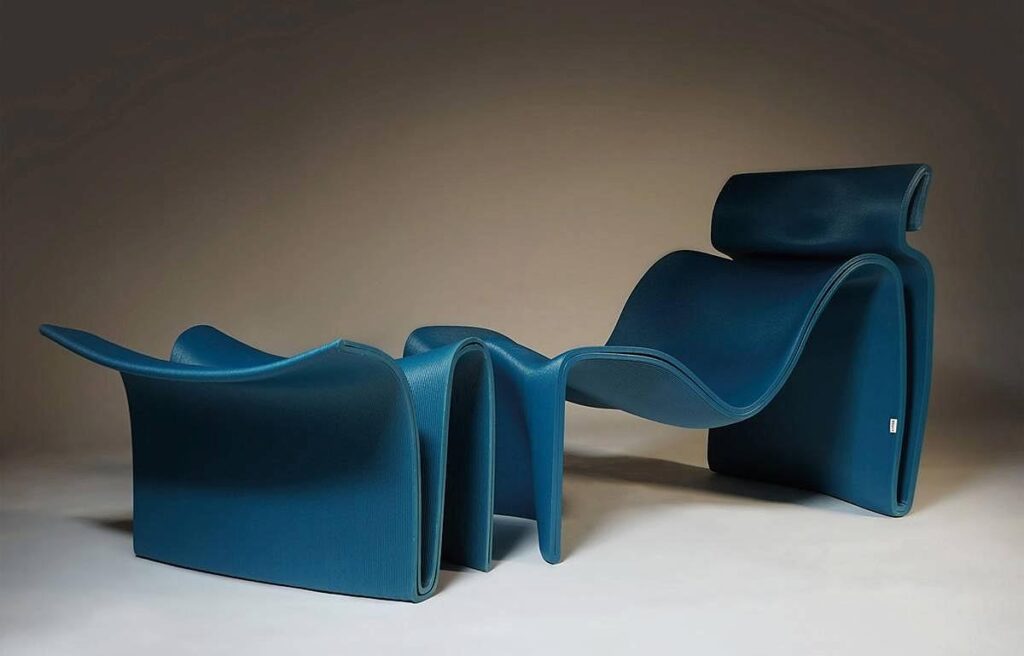
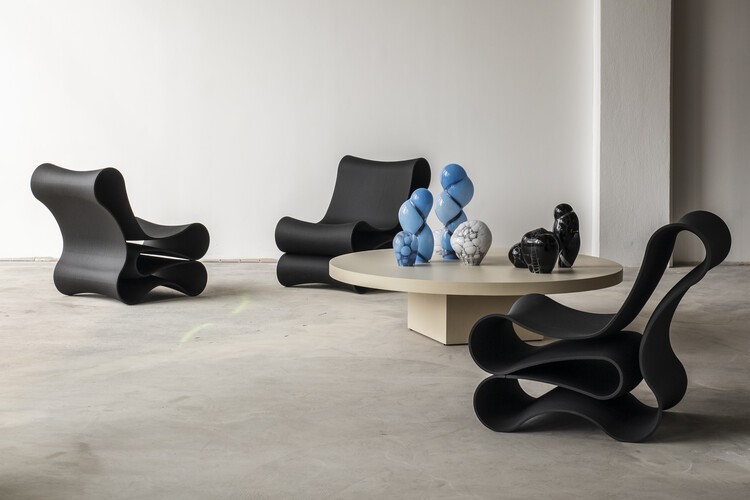
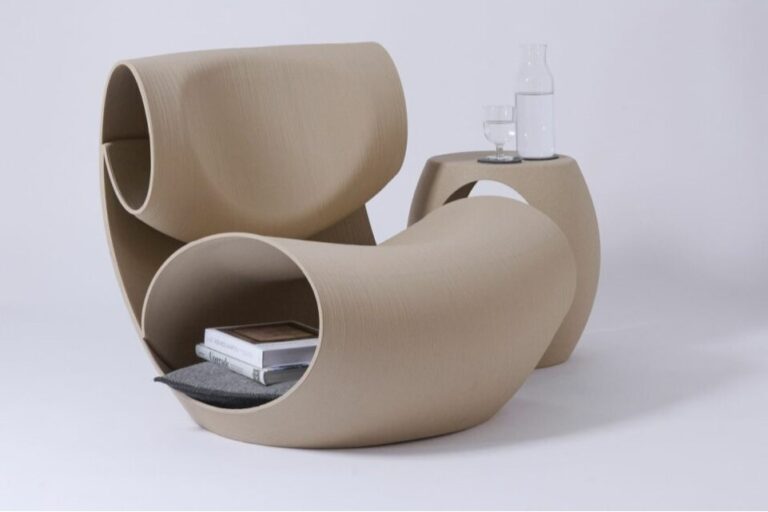
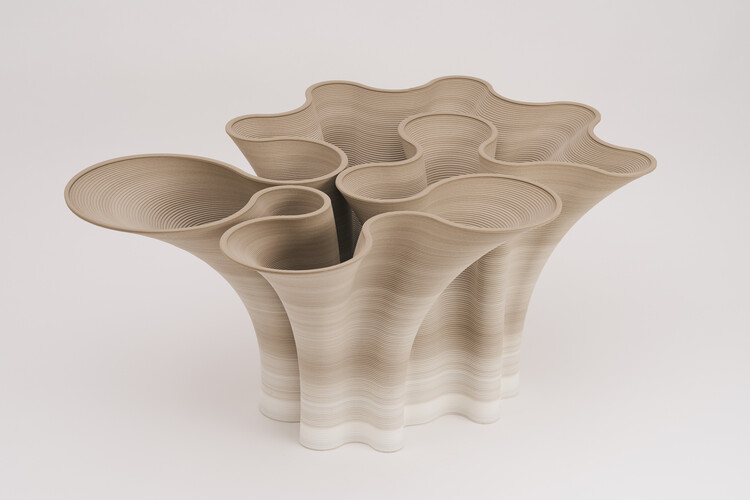
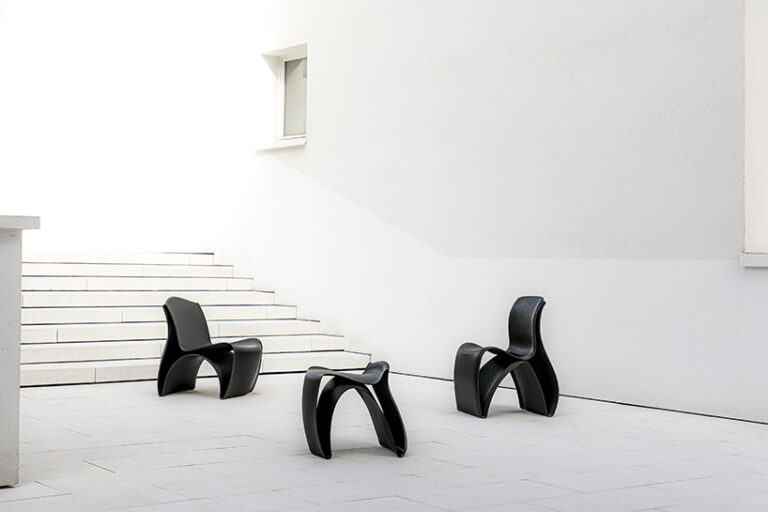
FGF 3D printing excels in functionality and style and aesthetic possibilities for modern furniture design. This technology enables the creation of unique, futuristic designs that push the boundaries of traditional aesthetics. These intricate forms are visually striking and serve as functional art pieces.
Achieving a polished look is straightforward with advanced surface finishing techniques. These methods enhance the furniture’s visual appeal and tactile feel, marrying beauty with durability. Furthermore, FGF allows for the innovative combination of materials. Designers can produce hybrid furniture by integrating elements like glass, wood, or metals. This approach not only boosts the furniture’s durability but also enriches its design, offering a richer and more versatile aesthetic palette.
Tip: To maximize the impact of hybrid designs, experiment with contrasting materials that highlight each other’s strengths, such as the warmth of wood against the industrial feel of metal, to create pieces that are both visually appealing and structurally sound.
Through FGF, furniture design transcends conventional limits, allowing every piece to reflect a distinct, modern style tailored to diverse tastes and interiors.

693fab168ca3c42570c9c9bbe90c93ff

Two measurements of fine metal powders with a d50 value of 4.5 μm and 5.2 μm measured in dry dispersion mode. The CAMSIZERX2 analyzes fine powders down to 1 μm with excellent resolution, repeatability and sensitivity

Applications Of FGF 3D Printing In Furniture Design

FGF 3D printing is revolutionizing the furniture industry by offering unique solutions for different settings:

For residential spaces, FGF technology allows for the creation of custom 3D printed furniture. Chairs, tables, and shelves designed to match any home’s style and space are now possible. This tech makes personalization easy and practical.

In office environments, 3D printer furniture design brings a new level of customization. Workspaces benefit from furniture that optimizes space and boosts productivity while reflecting a company’s brand. The rapid on-demand production helps reduce waste and adapt to changing office needs.

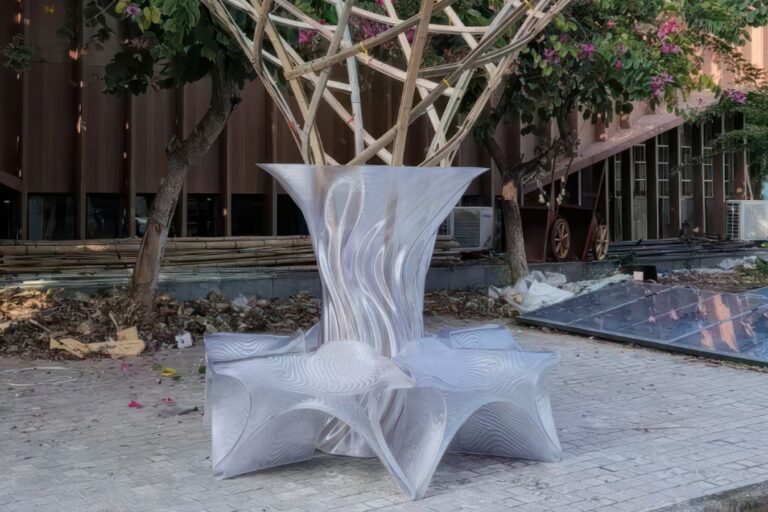
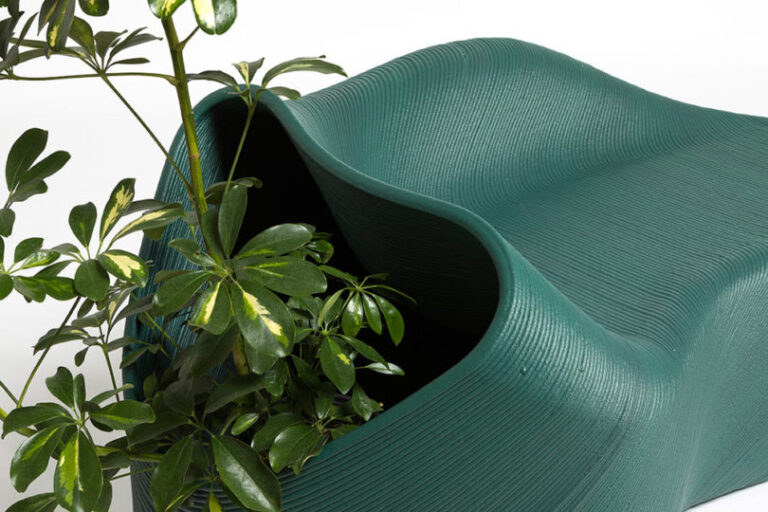
Outdoor furniture made with FGF stands out for its durability. Materials used are perfect for weather-resistant tables and chairs that can endure the elements, ideal for both private gardens and public spaces.

In the luxury and interior design markets, FGF enables designers to craft custom furniture with intricate designs and luxurious aesthetics. This tech allows for blending materials in ways that were previously too complex, ideal for high-end 3d printed dollhouse furniture and bold statement pieces that captivate attention.

These applications highlight FGF 3D printing’s versatility, making it a crucial tool for innovative furniture design across various markets.

Challenges And Future Trends In FGF 3D Printed Furniture

FGF 3D printing is rapidly advancing in the furniture design industry, but it has hurdles. The initial costs can be high, slowing adoption among smaller designers and firms. Additionally, the speed of printing large items remains challenging, alongside a limited selection of suitable materials.

However, the future looks promising with several developments on the horizon:

  • Improved Printing Speed and Reduced Costs: Ongoing innovations in FGF technology are expected to make 3D printing faster and more cost-effective.
  • Expansion of Material Options: Researchers are continuously introducing new materials to broaden design possibilities and functionality.

As these advancements unfold, the furniture industry’s interest in FGF technology grows. This method offers a unique blend of sustainability and customization, aligning well with contemporary design needs and environmental considerations.

Wrapping Up: The Sustainable Future Of Furniture Design With FGF

As we’ve explored, FGF 3D printing is changing furniture design by focusing on sustainability, customization, and style. This technology helps cut down on waste, uses materials that are better for the environment, and lets designers create unique, personalized pieces that really fit people’s wants. It’s a fantastic chance for designers and manufacturers who want to push the boundaries and innovate.

The shift toward furniture that is both sustainable and adaptable fits perfectly with today’s design trends and consumer preferences. As this technology improves, it promises to transform our living spaces into more beautiful and thoughtful environments.

At Additive Plus, we’re excited to support these innovations. We offer various 3D printing services and equipment from brands like Kings3D and Farsoon Technologies. Our team in Los Angeles and our California and Indiana offices provide everything from 3D printing services to help with equipment and designing your facilities. We’re here to make cutting-edge innovation easy for you to access.

Ready to make your furniture designs stand out as sustainable and stylish? 

Request a quote today and see how our solutions can enhance your projects!

FAQ

What is FGF 3D printing, and how does it work in furniture design?

FGF, or Fused Granulate Fabrication, is a 3D printing technique that utilizes granulated materials to create large-scale objects, including furniture. Unlike traditional methods like SLA or SLS, which focus on precision at a smaller scale, FGF works by melting thermoplastic granules and extruding them layer by layer. This enables the production of robust furniture designs with versatility in materials ranging from polymers to recycled composites.

TFGF technology offers several advantages, including:

  • Sustainability: Reduced material waste, the use of recycled materials, and an energy-efficient production process contribute to a lower environmental impact.
  • Customization: Designers can create intricate and personalized furniture tailored to the user’s needs, transforming the traditional design process.
  • Strength and Durability: FGF-printed furniture boasts high mechanical strength, ensuring longevity comparable to traditional materials.

Absolutely! FGF technology excels in customization. It allows designers to create personalized furniture solutions quickly and efficiently. On-demand production meets individual customer specifications, bridging the gap between bespoke craftsmanship and mass production.

FGF 3D printing empowers designers to create unique and visually striking furniture pieces. The technology allows for intricate designs that push the boundaries of traditional aesthetics. Furthermore, advanced surface finishing techniques can enhance the furniture’s appearance, making it not only functional but also stylish. Combining FGF with other materials enables innovative hybrid designs.

The adoption of FGF 3D printing faces challenges including high initial costs, speed limitations in producing large items, and a restricted range of materials. However, future advancements are anticipated in:

  • Faster printing speeds and reduced costs, making technology more accessible to small designers.
  • Increased material options, allowing for more diverse design possibilities.

As these challenges are addressed, FGF technology is expected to see growing interest and applications within the furniture industry.

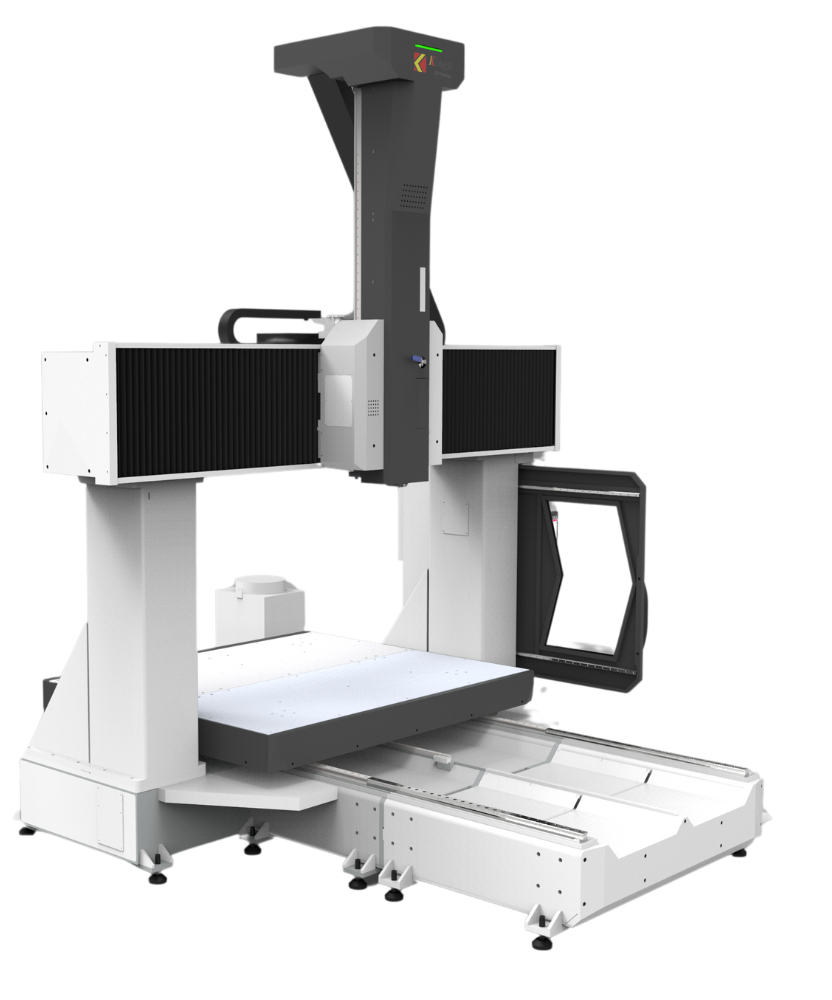
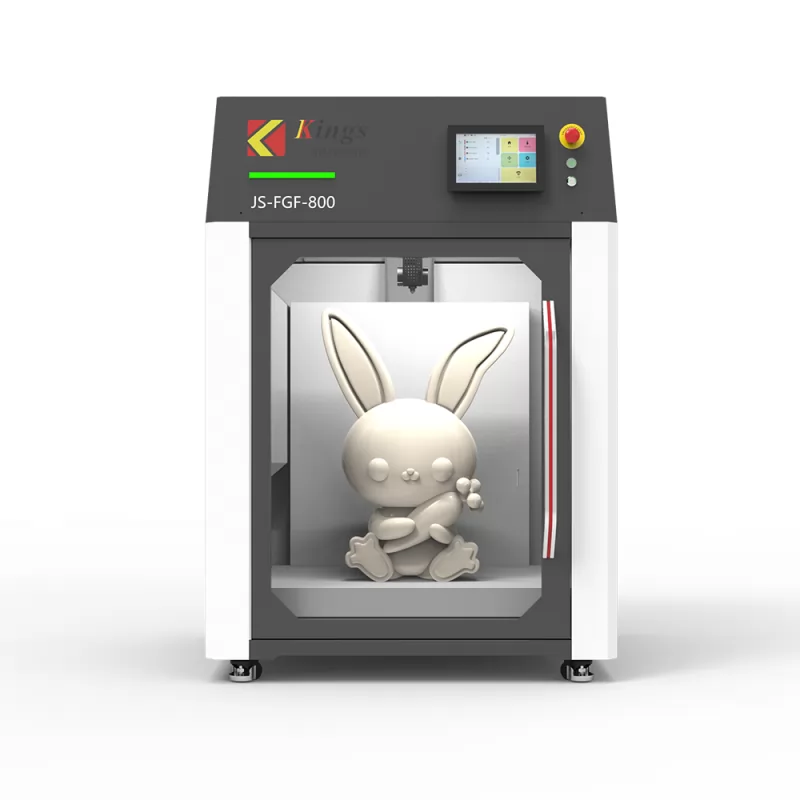
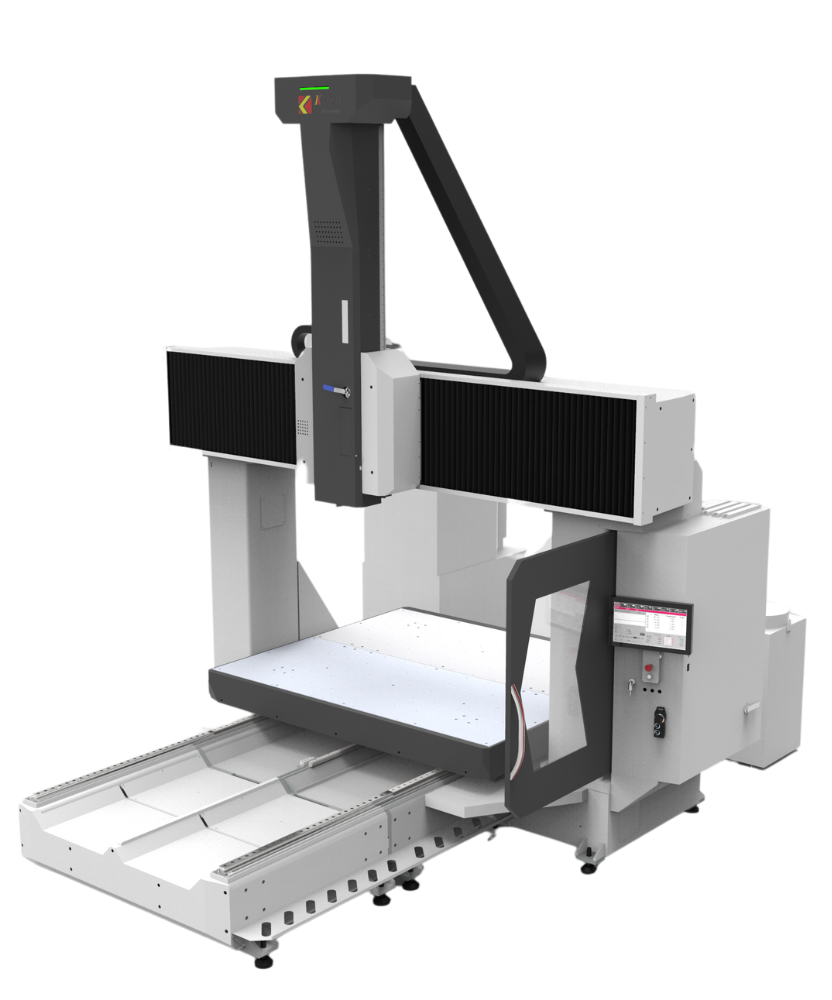
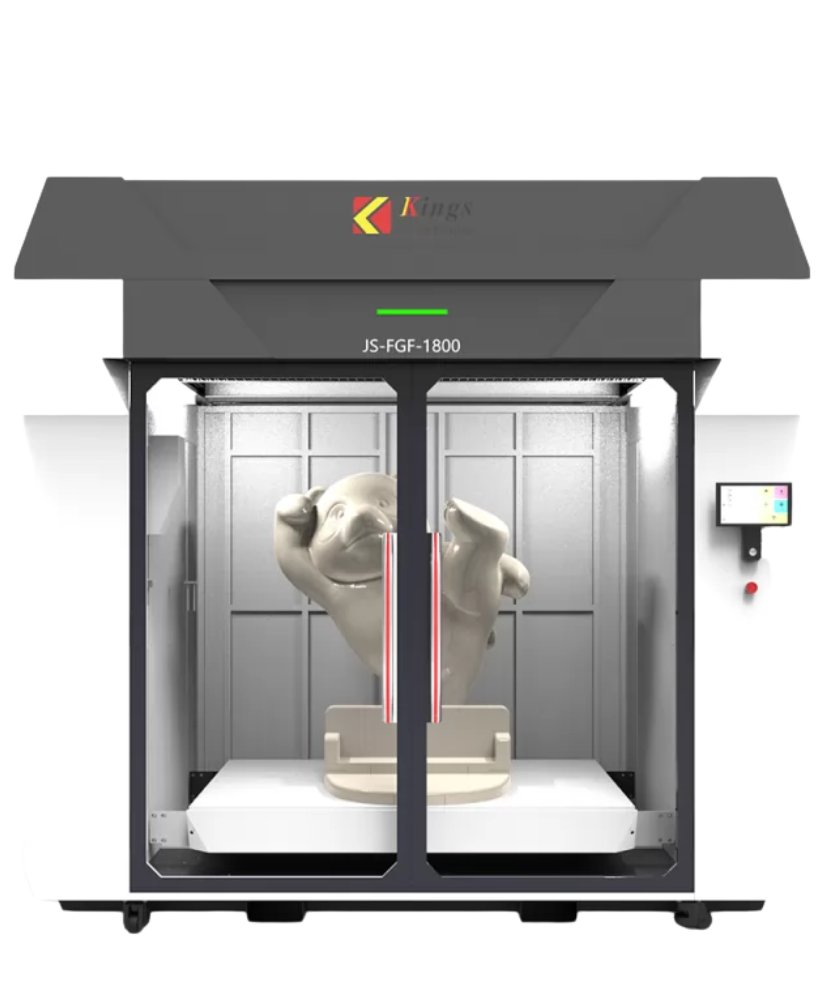
To explore FGF 3D printing for your furniture projects, consider engaging with a service provider like Additive Plus, which offers a range of 3D printing services and equipment. You can learn about specific printers such as the Kings FGF800 or Kings FGF2400, and discover how to integrate this cutting-edge technology into your design process.

Request a quote

Scan My Object

Please describe your part and scanning needs. Include details like size, material, and how you plan to use the 3D model. Let us know if you require additional services like digital sculpting. Upload images of your part(s) if you have them.

Ask for details

Partner with us

Get instant quote

Talk to Material Expert

Select the unit of measurement for your file
No 3D file? We’ve got you. We can design it for you or scan your existing part.
Upload a photo or drawing if you have one — we’ll get in touch soon.
Select the unit of measurement for your file
No 3D file? We’ve got you. We can design it for you or scan your existing part.
Upload a photo or drawing if you have one — we’ll get in touch soon.
Select the unit of measurement for your file
No 3D file? We’ve got you. We can design it for you or scan your existing part.
Upload a photo or drawing if you have one — we’ll get in touch soon.
Select the unit of measurement for your file
No 3D file? We’ve got you. We can design it for you or scan your existing part.
Upload a photo or drawing if you have one — we’ll get in touch soon.