Struggling with aligning your 3D printed parts? This guide offers step-by-step instructions, tips, and techniques to ensure accurate, seamless fitment every time.
How Long Do Resin 3D Prints Last? Factors Affecting Durability and Longevity in 3D Printing
When you invest your time, creativity, and resources into designing and printing a resin 3D model, you want the results to be more than just visually impressive—you want them to endure. Whether you’re producing a detailed decorative figure, a functional mechanical component, a jewelry prototype, or an engineering part, understanding the lifespan of resin prints is crucial. One of the most common questions asked by both hobbyists and professionals alike is: how long do resin 3D prints last?
The answer isn’t simple—it varies greatly depending on several critical factors, including the type of resin used, the post-processing techniques applied, and the environmental conditions the print is exposed to. For example, a print made with standard photopolymer resin and left in direct sunlight may degrade within months, while a print made from a high-performance, UV-resistant resin and kept indoors under controlled conditions can last for many years. That’s why asking how long resin 3D prints last at max level means considering every step of the 3D printing workflow.
Resin 3D prints can range from being relatively fragile to impressively durable. Their performance over time depends not only on the quality of the printer and the resin but also on what happens after printing—especially curing, cleaning, and storage. Even the intended use of the part—whether static or under mechanical stress—plays a major role in its longevity.
If you’ve ever wondered how long your resin 3D prints will last, you’re not alone. This guide is here to help you better understand what determines the durability of your prints and how you can maximize it. From resin formulation to exposure to UV light, from the curing process to day-to-day wear and tear—every detail matters when it comes to extending the life of your 3D printed objects.
We’ll walk you through the major factors affecting resin print longevity, share best practices for preservation, and offer tips to help you choose the right materials for long-term success. Whether you’re printing parts for display, utility, or industrial applications, knowing what to expect—and how to prepare—can make a huge difference in print quality and shelf life.
Want your resin 3D prints to stay strong, beautiful, and functional for years to come?
Let’s break it down step by step and find out how long resin 3D prints really last—and how to make them last even longer.
What Determines The Lifespan Of Resin 3D Prints?
- When it comes to determining how long resin 3D prints last, there is no single answer that applies to every situation. The longevity of a resin 3D printed object is influenced by a combination of variables. From the material itself to how it’s processed and where it’s placed, each element contributes to the overall durability of your final product. If you’re looking to maximize the lifespan of your resin prints—especially for functional or long-term applications—it’s important to understand the role each factor plays. Let’s explore them in detail.
1. Type of Resin Used
Not all resins offer the same level of durability, and choosing the right one is the foundation for long-lasting results. Standard photopolymer resins are widely used for detailed visual models and prototypes, but they tend to be brittle and are not suitable for parts that require strength or flexibility. On the other hand, tough resins, flexible resins, and engineering-grade resins are formulated specifically to handle stress, impact, or temperature variations.
Standard Resins: Ideal for display models and prototypes; generally not long-lasting under mechanical use.
Tough Resins: Designed to resist impact and stress; better suited for mechanical or industrial applications.
Flexible Resins: Great for elastic or bendable parts, though they may degrade faster under UV exposure or wear.
High-Temp/Engineering Resins: Built to withstand heat, pressure, and chemical interaction; excellent for demanding environments.
If your goal is to have a print that lasts for several years or more, especially in challenging environments, selecting the correct resin is essential. This decision is often what separates a short-lived model from a print that endures. So when asking, how long do resin 3D prints last at max level, remember that the answer starts with material selection.
2. Post-Processing Quality
The way you handle a print after it’s been taken off the build platform has a massive impact on its long-term performance. Post-processing includes cleaning, curing, and any additional finishing steps like sanding or coating. This step is not just cosmetic—it’s structural.
Cleaning: Removes residual uncured resin, which can weaken prints over time if left untreated.
Curing: Ensures full polymerization, improving mechanical strength and stability. However, over-curing can make the material brittle, while under-curing can leave the object soft and fragile.
Surface Finishing/Coating: Adding protective layers, such as UV-resistant clear coats, can dramatically extend outdoor lifespan and prevent yellowing or cracking.
Proper post-processing doesn’t just enhance the look of your print—it plays a vital role in defining how long your resin 3D print will last structurally and functionally.
3. Environmental Exposure
Environmental conditions can either preserve or rapidly degrade your prints. According to research published by the ASEE (American Society for Engineering Education), UV radiation, high temperatures, and humidity are the biggest environmental threats to resin prints.
UV Light: Prolonged exposure to sunlight can break down resin bonds, causing discoloration, brittleness, and cracking over time.
Heat: High temperatures can deform or warp low-temp resins and shorten their useful life.
Moisture: Excess humidity can seep into the print and compromise the internal structure, especially in flexible resins.
If you’re storing or displaying prints, keeping them in a controlled environment—cool, dry, and away from direct sunlight—is one of the easiest ways to extend their life. For outdoor applications, protective coatings or enclosures are recommended.
4. Application and Load Stress
Another critical factor in determining how long resin 3D prints last is how the part is used. A static model that sits on a shelf will have a significantly longer lifespan than a mechanical component exposed to daily stress, load, or chemical exposure.
Display Models: Experience minimal stress; can last for many years with proper care.
Functional Parts: Exposed to regular wear, impact, and possibly chemical agents. These need to be printed with performance-grade resins and may require design reinforcement.
Prototypes or Iterative Tools: Might go through repeated testing or fitting cycles; lifespan depends heavily on resin choice and structural design.
If you expect your print to perform in dynamic, real-world conditions, investing in the right materials and reinforcing your design will help maximize longevity. In these cases, the question isn’t just how long do resin 3D prints last, but how well they perform during that lifespan.
5. All Factors Are Interconnected
Ultimately, these elements—resin selection, post-processing quality, environmental exposure, and application—are deeply interconnected. You can’t expect a high-performance outcome by focusing on just one. To achieve the maximum lifespan of your resin 3D prints, you must optimize every step of the process.
By taking a holistic approach, you’ll not only get more durable parts—you’ll also save time and materials in the long run, reducing the need for frequent replacements or repairs. That’s the key to unlocking the full potential of resin 3D printing technology.
Signs That Resin Prints Are Aging
As resin 3D prints age, they can begin to show visible and structural signs of wear. These changes often indicate a decline in the material’s integrity and can be early warning signs that a print’s durability is weakening. If you’re wondering, “how long do resin 3D prints last?”, observing these signals closely is one of the best ways to evaluate the health of your prints over time. By catching these signs early, you can take proactive steps to slow deterioration, restore some functionality, or extend the print’s lifespan.
Understanding the aging process of resin-based prints is especially important if you’re using them in functional roles or in environments that accelerate wear. Whether the print is decorative, mechanical, or part of a prototype system, knowing what to look for helps ensure your investment doesn’t degrade prematurely.
Here are some of the most common indicators of wear in aging resin 3D prints:
1. Yellowing or Discoloration
One of the most obvious signs that a resin print is aging is a change in its color, particularly yellowing. This is especially noticeable in transparent, white, or light-colored resins, which tend to shift color after prolonged exposure to UV light or harsh indoor lighting.
Cause: UV degradation breaks down the chemical bonds in the resin, leading to visible color changes.
Impact: While mostly cosmetic at first, discoloration can also be a precursor to brittleness and other forms of material fatigue.
Solution: To preserve color integrity, apply UV-resistant coatings or store prints in shaded, UV-free environments. This helps improve how long resin 3D prints last, especially in displays or external setups.
For projects where aesthetics matter—such as jewelry prototypes or architectural models—yellowing can significantly diminish the value of the print, making this a critical sign to watch for.
2. Cracking, Brittleness, or Delamination
As time goes on, especially under heat, humidity, or mechanical stress, resin prints may start to crack, become brittle, or delaminate (layers separating). These are clear signs that the molecular structure of the print is weakening and may be approaching failure.
Cracking: Small surface cracks can appear along edges, corners, or thin sections. These often form due to drying out or exposure to high temperatures.
Delamination: If the print was not fully cured during the post-processing phase or exposed to moisture, the resin layers might separate.
Brittleness: Over-curing, excessive UV exposure, or simply aging can turn previously flexible parts into fragile ones that break under minimal pressure.
If you’re asking how long do resin 3D prints last at max level, prints showing no signs of cracking or delamination years after fabrication are typically the result of proper resin selection, accurate curing, and controlled environmental storage.
3. Loss of Fine Detail or Changes in Surface Texture
Another subtle but telling sign of aging in resin 3D prints is the loss of fine surface details or a noticeable change in texture. Over time, intricate features may wear down, become less sharp, or even melt away under repeated handling or exposure to light and heat.
Surface Degradation: Smooth surfaces might become rough, chalky, or uneven. This often results from UV degradation or micro-abrasions due to cleaning and use.
Detail Erosion: Raised lettering, small grooves, or embossed patterns may gradually disappear or soften—particularly in parts used frequently or touched often.
Tactile Changes: The way a print feels in the hand may change from smooth and hard to slightly sticky, soft, or brittle—depending on environmental factors and resin type.
This form of wear doesn’t always lead to structural failure, but it does affect the overall visual quality and tactile integrity of the print. If maintaining precision or aesthetics is critical, this form of degradation can shorten how long the resin 3D print is considered usable.
By paying attention to the early warning signs and actively maintaining your prints, you’ll be able to make informed decisions about repair, replacement, or upgrading to more advanced resins.
Practical Insight: Early recognition of these signs is crucial. By monitoring your resin prints and taking action when these issues arise—such as applying a fresh protective coating or storing prints in controlled environments—you can significantly extend their lifespan and maintain their functionality.
How To Protect Resin Prints From Damage
Resin prints can last significantly longer if you take proactive steps to shield them from damage.
Here are practical ways to protect your creations:
Protection Method | Description |
Apply a Protective Coating | Use UV-resistant sprays or varnishes to block sunlight, preventing discoloration and brittleness. |
Store in Controlled Environments | Keep prints in dry, cool places away from sunlight and humidity to avoid weakening. |
Handle With Care | Handle prints gently to prevent chipping, especially for thinner or intricate parts. |
Use Reinforcements for Functional Parts | Reinforce weight-bearing or stressed prints with additional material or design supports. |
Regular Maintenance | Clean prints periodically to remove dust or buildup that could degrade the surface. |
These small steps go a long way in maintaining the quality of your resin prints. A little care now can add years to their lifespan.
The Role Of Material Quality In Resin Print Durability
The type and quality of resin you choose play a major role in how long resin 3d prints last. Not all resins are created equal, and their properties can vary significantly based on their formulation and intended use.
Standard resins, for example, are great for prototyping and visual models but may not offer the same durability as engineering resins. These specialized materials are designed to withstand stress, impact, and environmental exposure.
If your project requires long-term durability or functional use, opt for high-quality resins from trusted manufacturers. Look for resins labeled for UV resistance, toughness, or temperature stability. These are tailored to resist wear and tear over time.
Pay attention to batch quality too. Low-grade or expired resins may compromise your print’s strength and longevity, even with perfect settings. Always store your resin properly—sealed and in a cool, dark place—to maintain its quality for future use.
Investing in the right material upfront ensures your prints can meet their functional or aesthetic needs for the long haul.
The Impact Of Print Design On Durability
When it comes to how long resin 3D prints last, your print design plays a pivotal role in determining durability. Even the best materials won’t perform well if the design doesn’t account for factors like stress and structural integrity.
Here are some key design elements to consider:
- Wall Thickness: Thinner walls may look sleek but can compromise strength. For prints that need to endure stress, opt for thicker walls or reinforced structures.
- Internal Supports: Adding support structures can improve the model’s stability and reduce the risk of breaking or warping.
- Print Orientation: The direction you print your model can affect how it reacts under load. Printing in a way that minimizes weak points ensures better durability.
A well-thought-out design can prevent premature damage, ensuring your resin print stands the test of time and remains functional for longer.
Regular Maintenance For Long-Term Durability
Even with the best materials and designs, regular maintenance is essential for how long resin 3D prints last. Over time, dust, oils, or residue can build up on the surface, degrading the print’s quality and appearance.
Here’s how to maintain your prints:
- Dusting: Gently remove dust using a soft cloth or a brush.
- Cleaning: For prints exposed to high-touch areas, wash them with water or mild soap to prevent buildup.
- Inspection: Regularly inspect for cracks, chips, or any signs of wear, especially for functional parts.
Proactive maintenance helps preserve both the functionality and appearance of your prints, reducing the need for repairs or replacements.
Understanding Resin Quality And Its Impact On Longevity
Not all resins are created equal, and the quality of the resin you use plays a major role in the durability of your print. Different resins offer varying levels of strength, flexibility, and resistance to wear and tear. Choosing the right one for your specific application can make all the difference, especially when you’re looking for long-lasting results.
Here’s how resin type impacts longevity:
Resin Type | Characteristics | Best Used For | Durability Notes | Lifespan |
Standard Resins | Affordable, prone to cracking, yellowing, and brittleness over time. | Basic models, non-functional prototypes | Low durability, susceptible to environmental damage. | 1 to 3 years (if stored properly) |
Tough Resins | Increased resistance to stress and impact, more durable than standard resins. | Functional parts, automotive, industrial applications | Better impact resistance and durability under heavy use. | 1 to 2 years (with regular maintenance) |
Flexible Resins | Designed for flexibility and elasticity, but may wear faster under heavy load. | Gaskets, soft-touch components, prototypes | Good for bending/stretching, but wears out with frequent stress. | 6 months to 1 year (depending on usage) |
High-Temperature Resins | Withstands extreme temperatures (up to 200°C+), great for heat exposure. | Molds, automotive components, electronics | Excellent thermal stability but may be prone to physical damage. | 1 to 3 years (with controlled storage) |
Castable Resins | Burns out cleanly for casting purposes, ideal for jewelry or dental applications. | Jewelry casting, dental molds | Best for molds, but lacks structural strength for other uses. | 6 months to 1 year (especially for casting) |
Durable Resins | High-strength, wear-resistant, and long-lasting. | Prototypes, low-volume production parts | Excellent wear resistance, good for functional and end-use parts. | 2 to 5 years (depending on environment and usage) |
“KS158T Transparent UV SLA Resin – High-Quality 3D Printing Resin for Precise Results” has been added to your cart. View cart
-
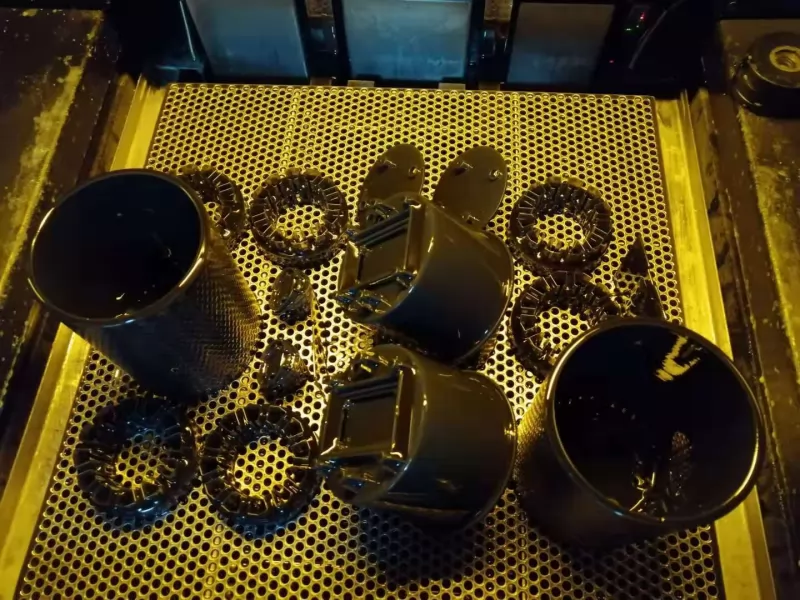
UV Resin KS808-BK - High-Performance Black Resin for Precision 3D Printing
KS808-BK is a charcoal black SLA resin, characterized by high toughness and suitable
-
Compatible platform:
SLA
-
Type:
Resins
-
Compatible platform:
-
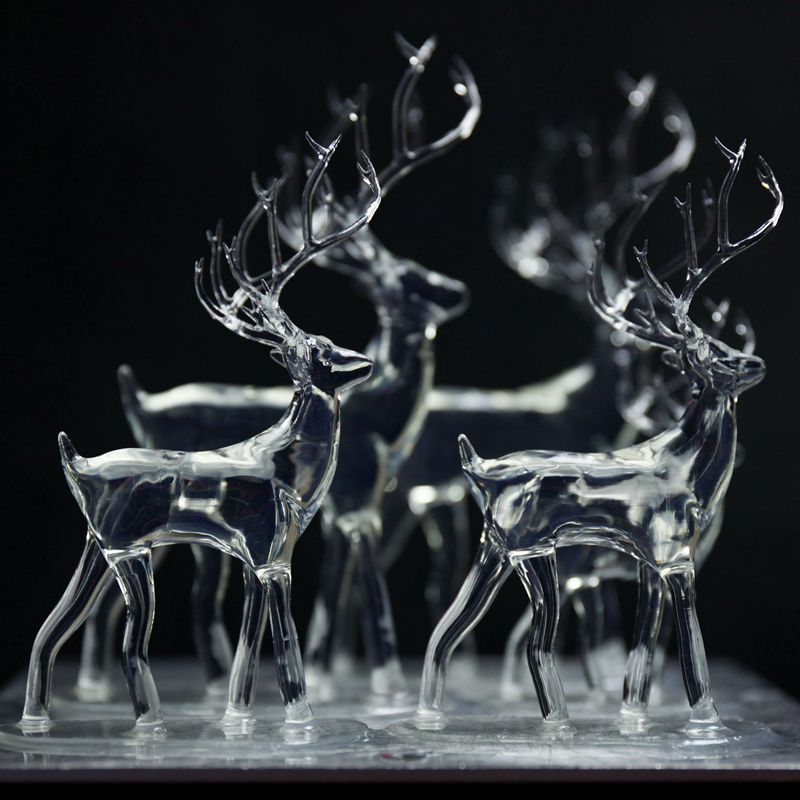
KS158T Transparent UV SLA Resin – High-Quality 3D Printing Resin for Precise Results
KS158T UV SLA Resin is an optically transparent SLA resin ideally applicable for parts with acrylic appearance and light components.
-
Compatible platform:
SLA
-
Type:
Resins
-
Compatible platform:
-
KS608A UV SLA Resin – High Accuracy, Toughness & Low Shrinkage for 3D Printing
KS608A UV Resin is a high tough SLA resin resistant to high temperatures for accurate and durable parts.
-
Compatible platform:
SLA
-
Type:
Resins
-
Compatible platform:
-
KS408A UV SLA Resin Material: High-Precision Solution for 3D Printing
KS408A UV Resin is a precise and durable ABS-like resin for SLA 3D printer providing perfect smoothness and details.
-
Compatible platform:
SLA
-
Type:
Resins
$670Read More -
Compatible platform:
Key Considerations When Choosing Resin For Longevity
One of the most important factors influencing how long resin 3D prints last is the type of resin you choose at the very beginning of your project. Selecting the right resin isn’t just about aesthetics or printer compatibility—it directly impacts your print’s structural integrity, environmental resistance, and long-term durability. Whether you’re printing functional prototypes, intricate models, or end-use parts, understanding the key properties of resins can help extend the lifespan of your prints and ensure they perform well over time.
Below are the most critical considerations to keep in mind when selecting resin for long-lasting 3D printed parts:
1. UV Resistance
Exposure to ultraviolet (UV) light is one of the leading causes of degradation in resin prints. Over time, UV rays can cause chemical breakdown in photopolymer resins, leading to discoloration, brittleness, and even structural failure. That’s why UV resistance is a crucial factor when asking, “how long do resin 3D prints last?”
- UV-Resistant Resins: Resins with UV stabilizers or inhibitors are engineered to withstand long-term exposure to sunlight or harsh artificial lighting. These are ideal for parts used in outdoor applications, display pieces near windows, or items exposed to constant lighting in industrial settings.
- Prolonged Lifespan: UV-resistant materials can significantly extend how long resin 3D prints last at max level by minimizing premature aging, yellowing, and cracking.
If you expect your prints to be exposed to sunlight or any form of UV radiation, always prioritize a UV-resistant resin to maintain both their visual appearance and mechanical integrity over time.
2. Water and Chemical Resistance
Environmental exposure doesn’t stop with sunlight. Water, oils, solvents, and other chemicals can also contribute to the gradual breakdown of resin prints. Depending on your application, selecting a resin that can resist moisture and chemical contact is essential for long-term performance.
- Moisture-Resistant Resins: Some high-performance resins are formulated specifically for use in humid or wet environments. These resins resist swelling, softening, or cracking caused by water absorption.
- Chemical-Resistant Options: In industrial settings where prints come into contact with oils, fuels, cleaning agents, or corrosive chemicals, chemical-resistant resins are a must. They maintain their form and strength even when exposed to harsh substances regularly.
If you’re producing parts for laboratories, automotive components, fluid-handling devices, or outdoor installations, investing in water- and chemical-resistant materials can dramatically increase how long your resin 3D prints last under real-world conditions.
3. Material Compatibility with Your Printer
Even the most advanced or durable resin won’t perform well if it’s not compatible with your 3D printer. Different printers—such as SLA (Stereolithography), DLP (Digital Light Processing), and LCD printers—require specific resin formulations optimized for their curing technology and light wavelengths.
- SLA Compatibility: SLA printers typically require resins that cure under a laser beam with precision. These resins tend to offer high detail and smooth finishes.
- DLP and LCD Compatibility: DLP and LCD printers use digital light projection or LED screens, so resins need to match the wavelength and exposure characteristics of the printer.
Using the wrong resin can result in weak prints, incomplete curing, or poor layer adhesion—all of which shorten the lifespan of the print. Always confirm that the resin you’re considering is certified or tested for your specific printer model. Printer and resin compatibility is a foundational step in ensuring how long resin 3D prints last at max level.
4. Application-Specific Properties
Choosing the right resin also means evaluating the unique demands of your application. Will the print experience repeated mechanical stress? Will it be exposed to temperature fluctuations, vibrations, or heavy use? Different resins offer different strengths, and your application should guide your decision.
- Engineering Resins: These include tough, flexible, high-temperature, and impact-resistant resins designed to perform under physical strain. Ideal for mechanical parts, load-bearing prototypes, and tools.
- Specialty Resins: For medical, dental, or jewelry applications, look for biocompatible or castable resins with performance properties tailored to your use case.
Choosing a general-purpose or low-quality resin might save on upfront costs, but if the part fails prematurely, you’ll lose more in the long run. For critical applications, always select a resin that matches the mechanical, thermal, and chemical requirements of the part’s intended use.
Final Thought: Smart Resin Selection = Long-Lasting Prints
When evaluating how long resin 3D prints last, remember that the choice of resin is the foundation of durability. If you’re aiming to get the most out of your prints—especially in demanding or long-term environments—take the time to match your material selection with the project’s specific needs.
To maximize how long your resin 3D prints last at max level, keep the following in mind:
- Prioritize UV resistance for outdoor or display applications.
- Choose water- and chemical-resistant resins for wet or industrial environments.
- Ensure full compatibility between the resin and your 3D printer.
- Match resin characteristics to the physical and environmental demands of the application.
By considering these factors carefully, you’ll not only improve the strength and lifespan of your prints but also reduce the risk of costly reprints, material waste, and performance issues in the long run.

Sustaining Resin Prints: How To Ensure Their Endurance Over Time
In conclusion, understanding the factors that affect the durability and longevity of resin 3D prints is essential for selecting the right material for your specific needs. If you’re wondering how long resin 3D prints last, the answer depends on the resin type, environmental factors, and proper maintenance.
Whether you’re creating functional parts, 3d printed prototypes, or intricate designs, choosing the right resin and taking proper care of your prints can significantly extend their lifespan. From protective coatings to proper storage conditions, every detail counts in preserving the quality of your prints. By considering the resin type, environment, and regular maintenance, you can ensure that your 3D prints remain functional and visually appealing for years to come.
At Additive Plus, we are committed to offering high-quality 3D printing products and 3D materials such as black resin to suit a variety of applications. With over 10 years of experience, we guide clients in choosing the best resin types and provide expert consulting to optimize printing and production processes. If you’ve ever wondered how long resin 3D prints last, we can help you make informed decisions to get the most out of your prints. Whether you need advanced Resin 3D printing services or access to cutting-edge 3D printing materials, our team is here to support you every step of the way.
Get an instant quote today and let’s explore how we can help you achieve the best results with additive manufacturing!
FAQ
How long do resin 3D prints last with proper care?
The lifespan of resin 3D prints depends on several factors, including material type, environmental conditions, and how well the print is maintained. With proper care, prints can last anywhere from a few months to several years.
How long do resin 3D prints last at max under harsh conditions?
In harsh conditions, such as exposure to high UV light or extreme stress, resin prints may degrade more quickly. Even under these conditions, some high-quality resins can last up to 1-2 years, but regular maintenance and protection are essential to maximizing durability.
Can resin prints last forever if stored properly?
While it’s impossible for any material to last forever, resin prints can remain functional for a long time when stored in controlled environments away from UV light and extreme temperatures. Proper storage can significantly extend their lifespan.
How do environmental factors affect how long resin 3D prints last?
UV exposure, temperature fluctuations, and humidity are the primary environmental factors that influence the longevity of resin prints. Protecting your prints from these elements can help them last longer.
How can I ensure that my resin prints last as long as possible?
To maximize the lifespan of your resin prints, use UV-resistant coatings, store them in dry, cool places, and perform regular maintenance. Choosing the right resin for your specific application also plays a critical role in durability.
Does the type of resin used impact how long 3D prints last?
Yes, different types of resin have different durability characteristics. For instance, tough resins offer better longevity compared to standard resins. Choosing the right resin based on the application will directly influence how long your 3D prints last.
Are there any special maintenance tips for extending the life of resin prints?
Regular cleaning, dusting, and periodic inspections are essential to maintaining your resin prints. For functional parts, reinforcing them during the design phase and handling them carefully will also help extend their lifespan.
How long do resin 3D prints last at max if exposed to sunlight?
Continuous exposure to sunlight, especially UV rays, can cause resin prints to yellow, crack, or become brittle. To prolong their life, it’s crucial to store prints away from direct sunlight and consider applying UV-resistant coatings.
Explore What’s New in 3D Printing
How Can LFAM Boost Efficiency and Flexibility in the Automotive Industry?
What Is a Slicer and Why Is It Essential for Successful 3D Printing?
FreeScan Combo: 3D Laser Scanning for Sheet Metal Inspection
Transforming Golf Gear with Farsoon 3D Printing: Tees, Ball Markers, and Irons