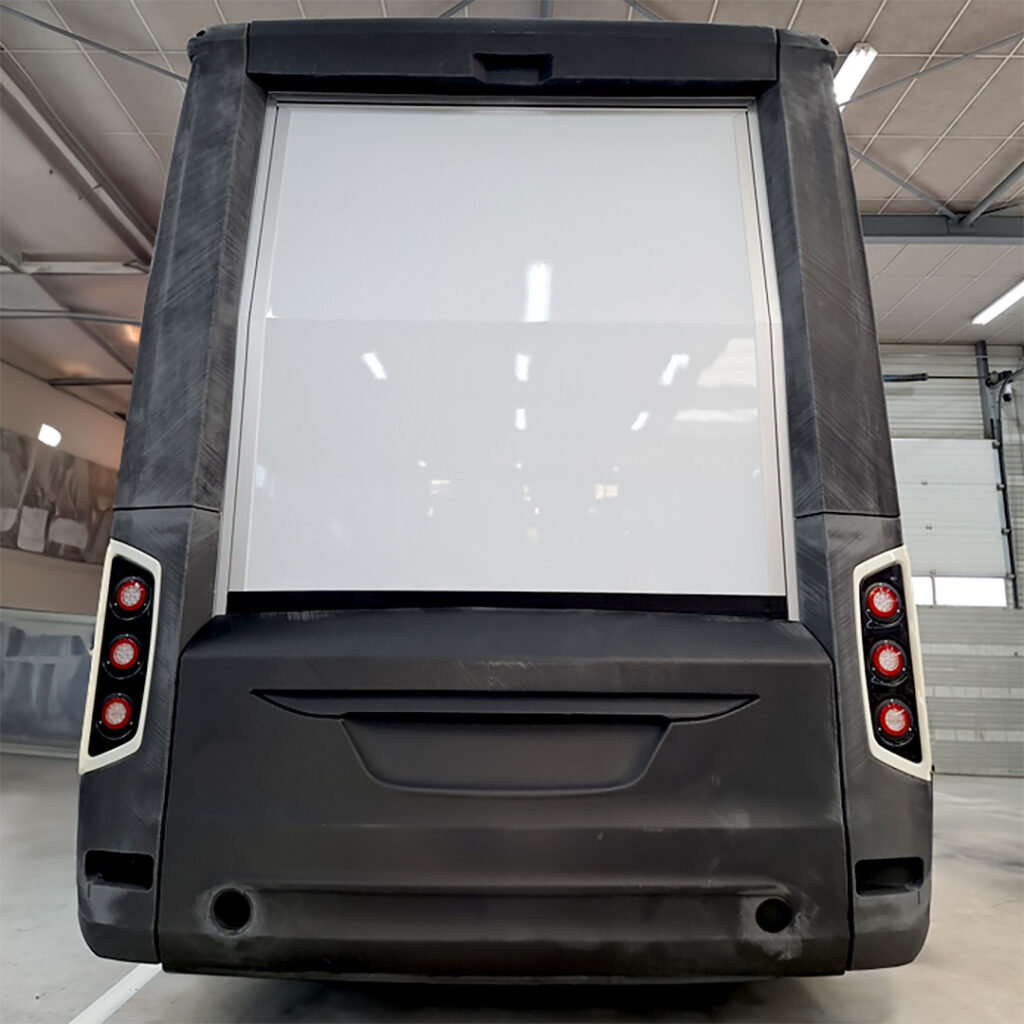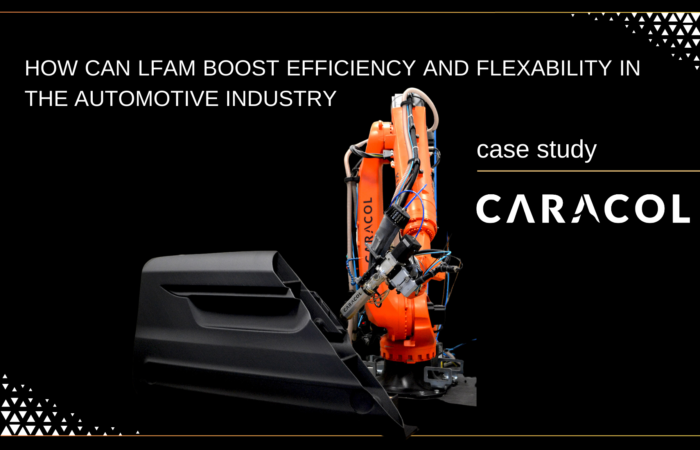
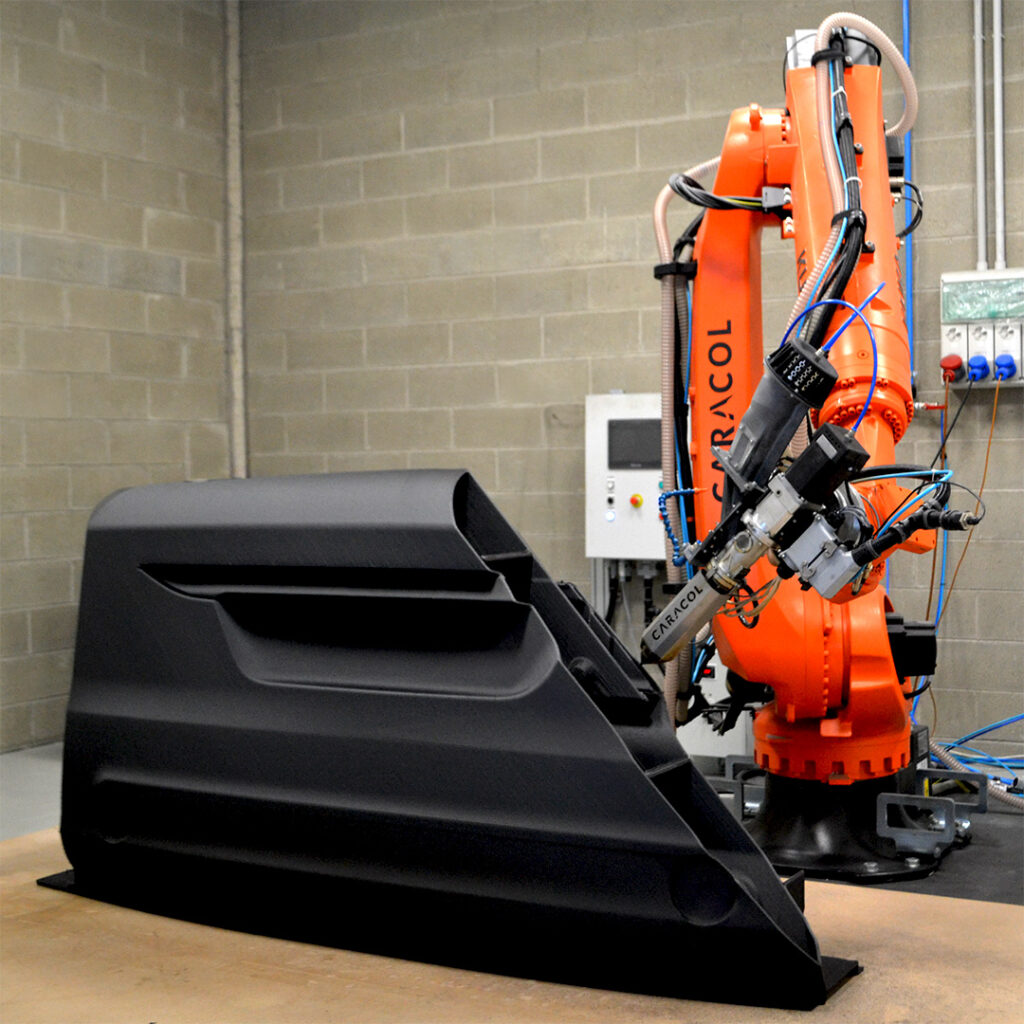
Employing the Heron AM 300 platform in conjunction with the High Accuracy extruder, they created a variety of end-use components using Dahltram® S-150CF—a carbon-fiber-reinforced ABS material. This combination enabled the achievement of the precise geometries and detailed finishes necessary for both functionality and visual appeal.
How can LFAM boost efficiency and flexability in the automotive industry
In the dynamic world of automotive manufacturing, the ability to produce custom components quickly and cost-effectively is a game-changer.
Van Venrooy Utility Vehicles is at the forefront of transforming the automotive manufacturing industry, where the demand for custom components is reshaping production. Specializing in bespoke vans and vehicles for sectors such as healthcare, motorsports, information technology, and recreation, Van Venrooy stands out as a leader in innovation.
The recent integration of Caracol’s cutting-edge Heron AM robotic platform for large-scale 3D printing marks a pivotal moment for the company. This advancement enables Van Venrooy to revolutionize its supply chain by internalizing the production of a wide range of components, significantly boosting manufacturing efficiency and flexibility.
Through their commitment to innovative technology and tailored solutions, Van Venrooy Utility Vehicles is setting new standards in automotive manufacturing, showcasing a forward-thinking approach that meets the diverse needs of their clients.
THE MANUFACTURING CHALLENGE
Van Venrooy was on the hunt for a better way to create custom body parts for their mobile dental vans, which provide essential services throughout the Netherlands. Traditional manufacturing was falling short, bogged down by complicated supply chains and long wait times. The need for high precision and personalization only added to the challenge, leading to inflated costs and unpredictable parts availability.
CARACOL'S LFAM SOLUTION
Employing the Heron AM 300 platform in conjunction with the High Accuracy extruder, they created a variety of end-use components using Dahltram® S-150CF—a carbon-fiber-reinforced ABS material. This combination enabled the achievement of the precise geometries and detailed finishes necessary for both functionality and visual appeal.
-
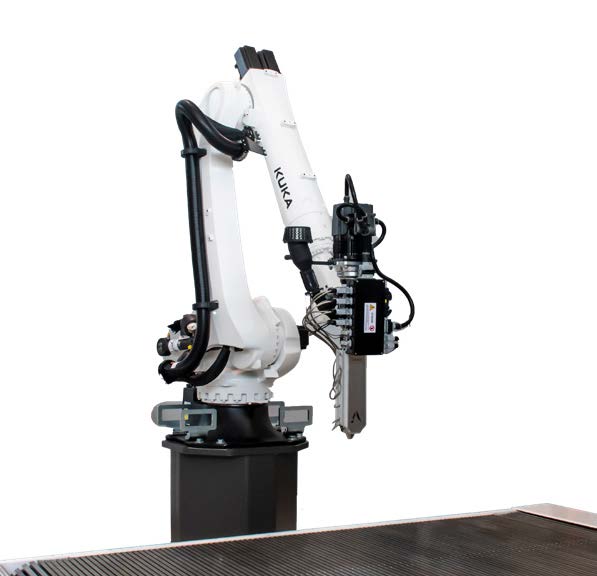
Heron AM HF
Print big, print better with Heron AM, the integrated platform that will drive you to the next manufacturing revolution
-
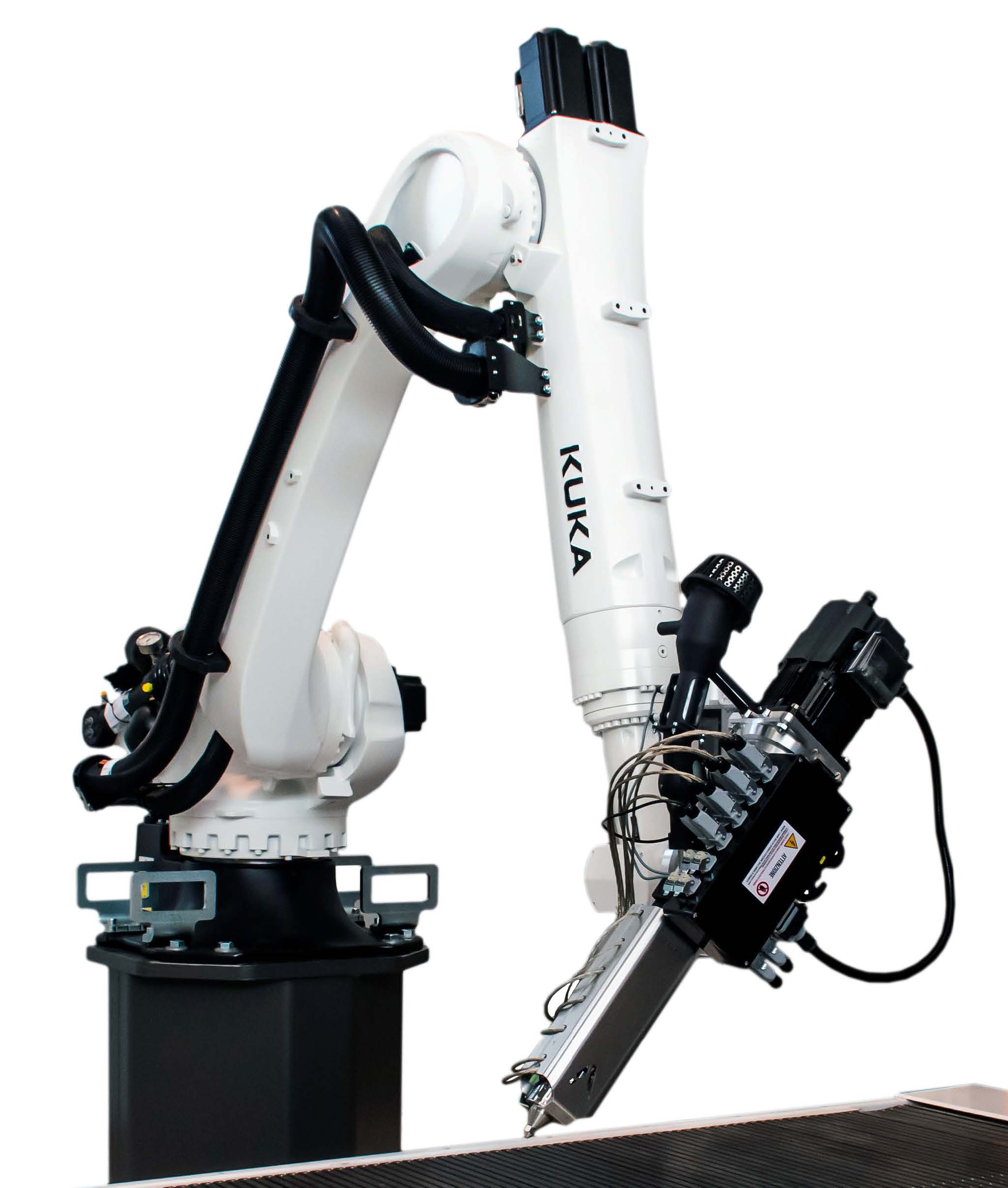
Heron AM HV
Print big, print better with Heron AM, the integrated platform that will drive you to the next manufacturing revolution
-
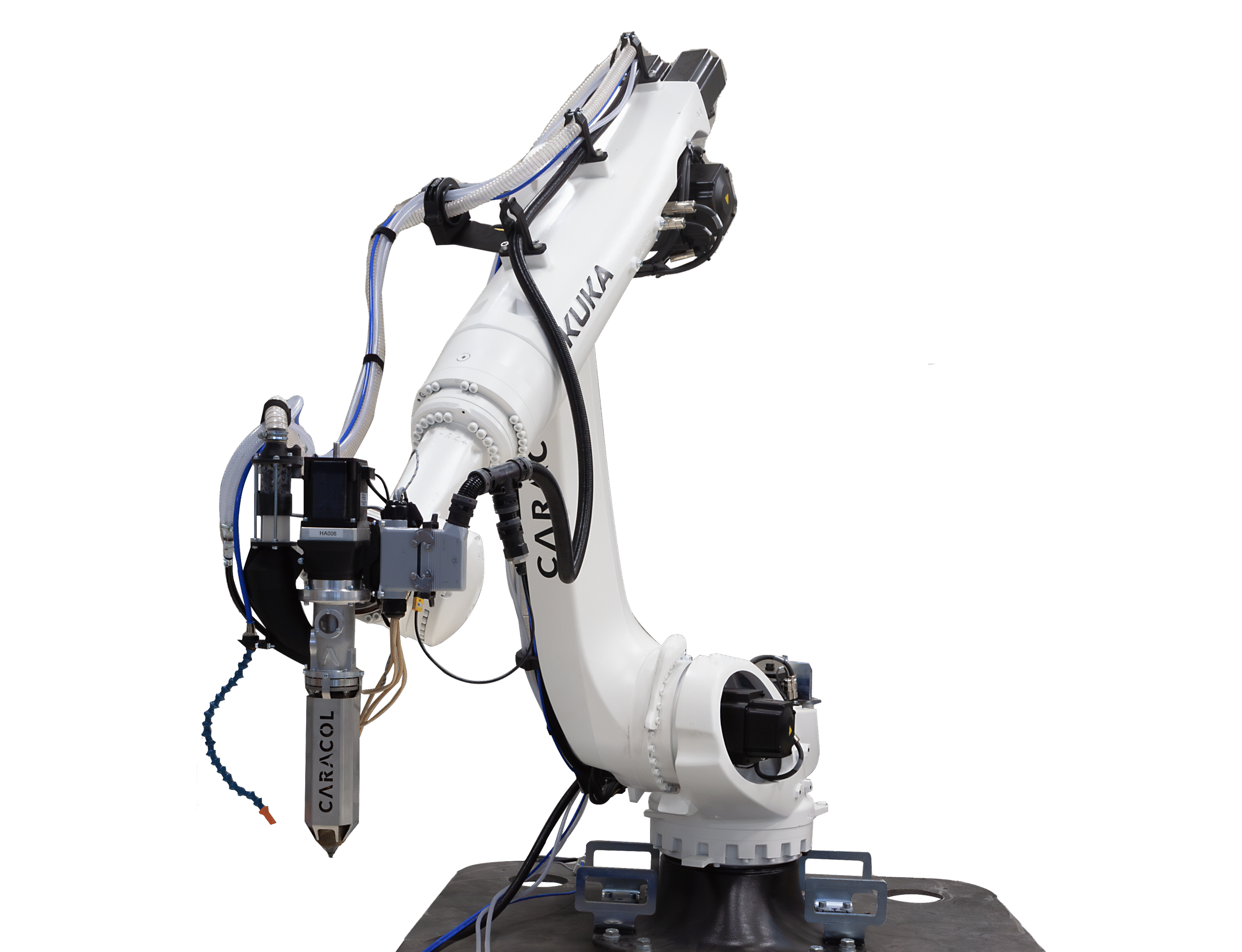
Heron AM HA
Print big, print better with Heron AM, the integrated platform that will drive you to the next manufacturing revolution
-
Technology:
FFF, LFAM
-
Materials:
Plastic Pellets
-
Technology:
The Engineering and Production Process
Design and Engineering: Caracol’s talented team collaborated closely with Van Venrooy to develop custom components that not only fulfilled functional needs but also met aesthetic standards. Their focus was on creating parts capable of withstanding operational demands while ensuring a seamless fit during final assembly onto the vans.
3D Printing: The Heron AM 300 platform provided a remarkable level of design flexibility. Caracol’s advanced technology guaranteed precision and a flawless finish, effectively simplifying the post-processing phases like sanding and painting.
Post-Processing: The post-processing stage included meticulous sanding and painting. A combination of key technical strategies led to enhanced tolerances and improved finish quality:
- Optimizing printing direction and part orientation during the engineering stage.
- Utilizing Caracol’s lightweight, compact printing head, the High Accuracy (HA), perfect for detailed and agile printing.
- Employing Dahltram® S-150CF from Airtech, a resin that features 20% carbon fiber, ensuring excellent mechanical properties and stability throughout the printing process.
First Project Success and LFAM Industrialization
Van Venrooy decided to put Caracol’s technology to the test with an initial project at Caracol’s On-Demand Manufacturing facility. The results were impressive, demonstrating significant cost and time savings, waste reduction, and superior quality. Motivated by this success, Van Venrooy opted to internalize the LFAM Heron AM platform within their own operations to scale up the production of custom-designed vehicles.
Project Outcomes and Benefits
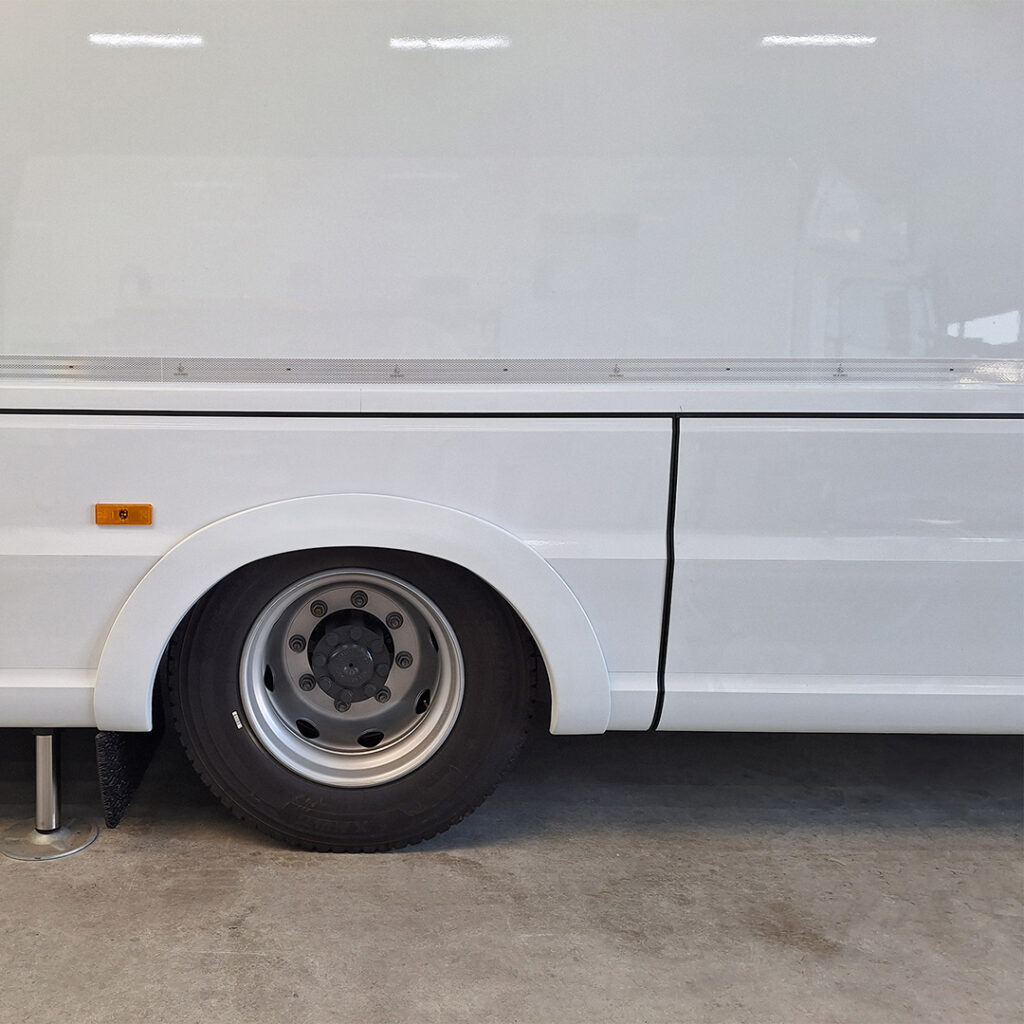
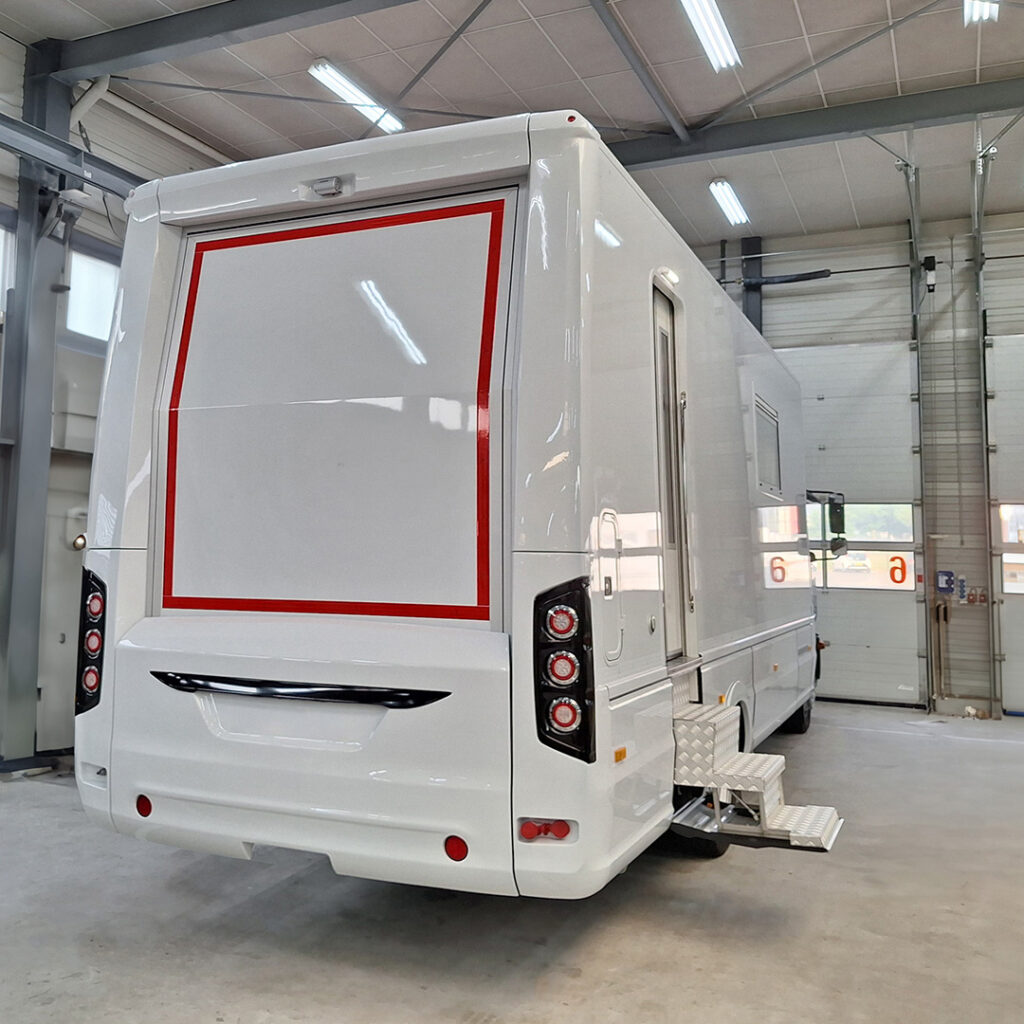
The initial rollout of 3D printed components paved the way for significant advancements in the production of mobile dental vans. Key exterior and end-use parts, including rear bumpers, camper hatches, fenders, and taillight covers, played a critical role in both the functionality and visual appeal of these vehicles.
The primary efficiency benefits realized through this innovative approach include:
- Shorter Lead Times: The implementation of 3D printing significantly accelerated production timelines, allowing parts to be ready for use in just five days. This represents an impressive 85% reduction in production time compared to traditional manufacturing methods.
- Localized Supply Chain: By embracing a localized supply chain strategy, Van Venrooy was able to eliminate the hurdles of long-distance shipping and the unpredictability associated with parts availability. The Heron AM platform empowered the company to produce custom parts and small series on demand, right where they are needed. This not only elevated production flexibility but also contributed positively to the environmental footprint of the manufacturing process.
- Cost Savings: Transitioning to this new manufacturing paradigm resulted in significant cost efficiencies. The streamlined nature of 3D printing, combined with a well-organized supply chain, facilitated smoother production processes without sacrificing quality or precision.
Conclusion
The partnership between Van Venrooy and Caracol AM, alongside the adoption of the Heron AM platform, marks a transformative shift in the company’s manufacturing process. This collaboration illustrates the potential of leveraging 3D printing technologies for the effective production of finished components in specialized sectors like the automotive industry. By redefining their supply chain and embracing innovative manufacturing methodologies, Van Venrooy is establishing a new benchmark for efficiency, adaptability, and quality in the production of custom automotive parts.
This success story serves as a compelling invitation for other manufacturers to consider 3D printing as a robust solution to contemporary production challenges, unlocking new avenues for creating small series of both interior and exterior components for custom utility vehicles and leisure vans.
Explore What’s New in 3D Printing