Skip to content
The-Role-of-FGF-3D-Printed-Models-in-Architectural-Design

The Role of FGF 3D Printed Models in Architectural Design
The architectural industry is evolving fast, and technology is leading the charge. From reshaping how buildings are planned to transforming the way we visualize and create them, innovation is driving change at every turn.

With the increasing adoption of additive manufacturing in large-scale industrial applications, the market is projected to grow at a robust compound annual growth rate (CAGR) of 14.8% from 2024 to 2030, reaching an estimated $1.5 billion by 2030. This growth is driven by the advantages of cost efficiency, sustainability, and versatility offered by FGF technology compared to traditional methods.

One of the most exciting advancements? Fused Granular Fabrication (FGF) 3D printing. This groundbreaking technology is revolutionizing how architectural models are made—offering greater precision, faster production, and more sustainable outcomes.

In this article, we’ll dive into the unique benefits of FGF 3D printing for architectural design, from helping you visualize your concepts more clearly to enhancing your sustainability efforts and pushing the boundaries of creativity. Let’s explore how this technology can take your projects to the next level.

Understanding FGF Technology In Architecture

What is FGF Printing?

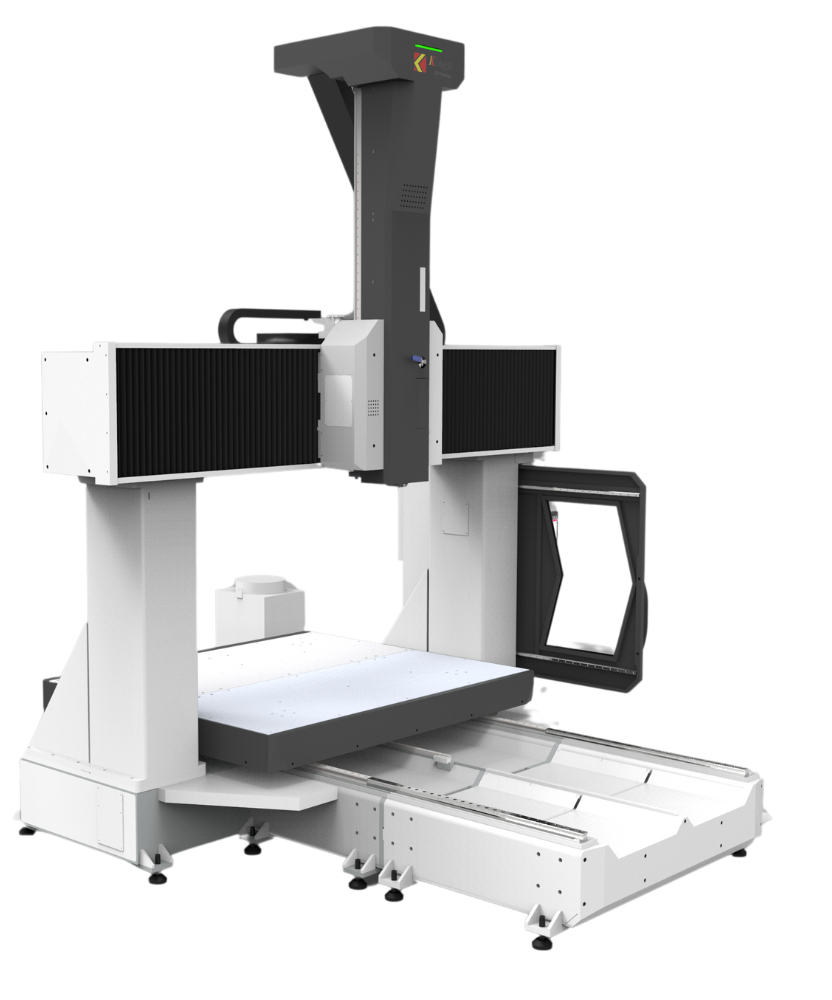
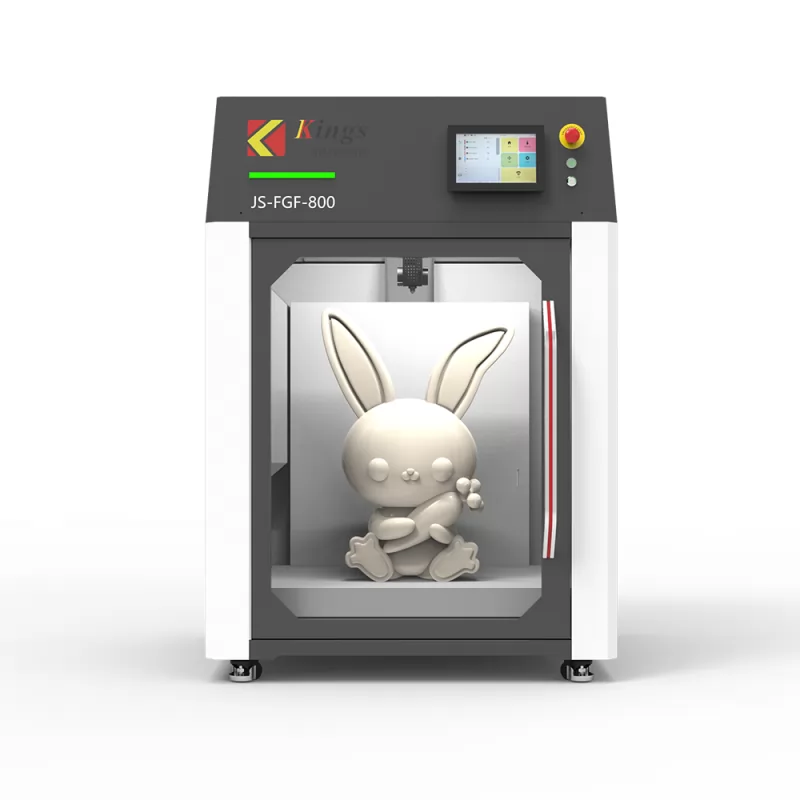
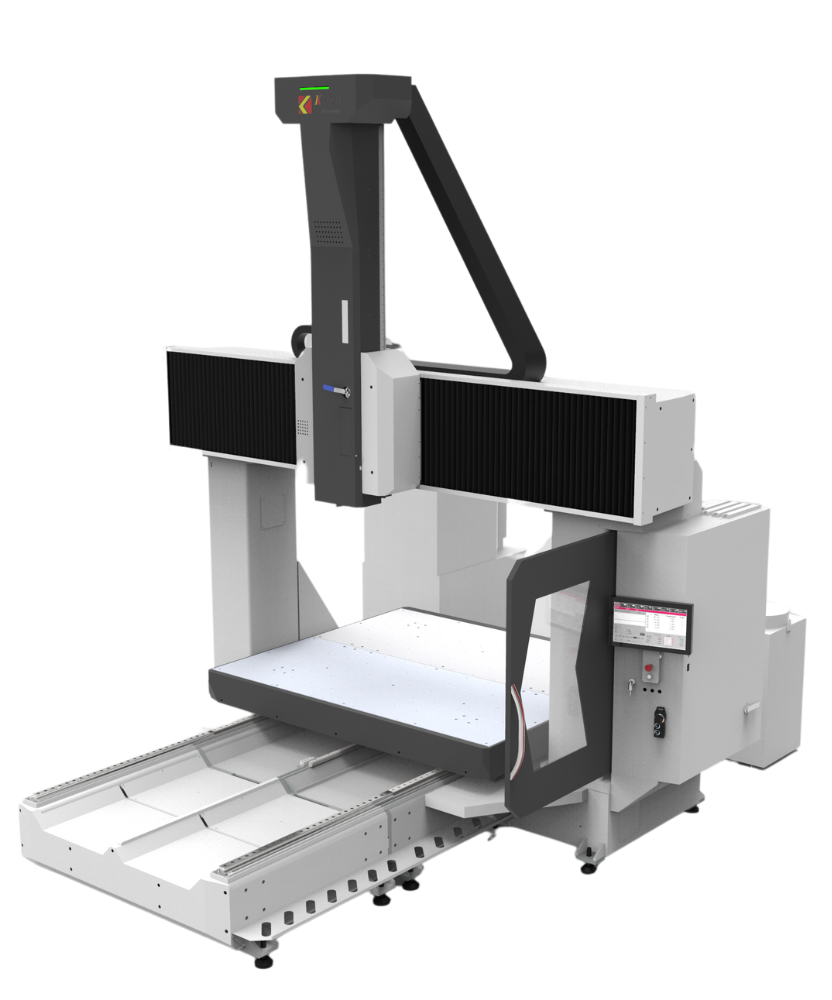
Fused Granular Fabrication (FGF) is an extrusion-based 3D printing method that uses granulated materials to create models layer by layer. Unlike other 3D printing techniques like SLA (Stereolithography) or SLS (Selective Laser Sintering), FGF is highly versatile and cost-effective, especially for creating large-scale 3D printed architectural models.

Comparison with Other 3D Printing Technologies:

While SLA and SLS are excellent for high-resolution details, they are often more limited when it comes to material options and large-scale production. FGF, on the other hand, stands out in architecture because of its ability to work with a variety of materials and scale models up to a much larger size without sacrificing detail.

Why FGF for Architectural Models?

FGF is ideal for architectural design for several reasons:

  • Scalability: It’s perfect for 3D printing architecture models on a large scale, from small prototypes to full-site models.
  • Material Versatility: FGF can use a variety of materials, including recycled plastics, PLA, ABS, and even composite materials. This makes it more cost-efficient and sustainable, reducing waste.

Speed: FGF can produce high-volume models faster, reducing the time it takes to go from concept to presentation. This is especially beneficial when time is a crucial factor in meeting client expectations or project deadlines.

These benefits make FGF technology a valuable asset for architectural firms looking to scale their model production while remaining flexible, efficient, and cost-effective.

Applications Of FGF In Architectural Design

Conceptual Design Models

When it comes to brainstorming new ideas, FGF 3D printing is a game-changer. It allows architects to quickly transform initial concepts into physical models, giving everyone a tangible look at the vision early on. This not only speeds up the design process but also helps in presenting ideas to clients. Instead of just talking about it, you can show them—helping to clarify and refine the design before moving forward.

Example: An architect designing a modern community center uses FGF to print a scale model that showcases the building’s innovative layout, helping the client visualize the space before the final blueprint.

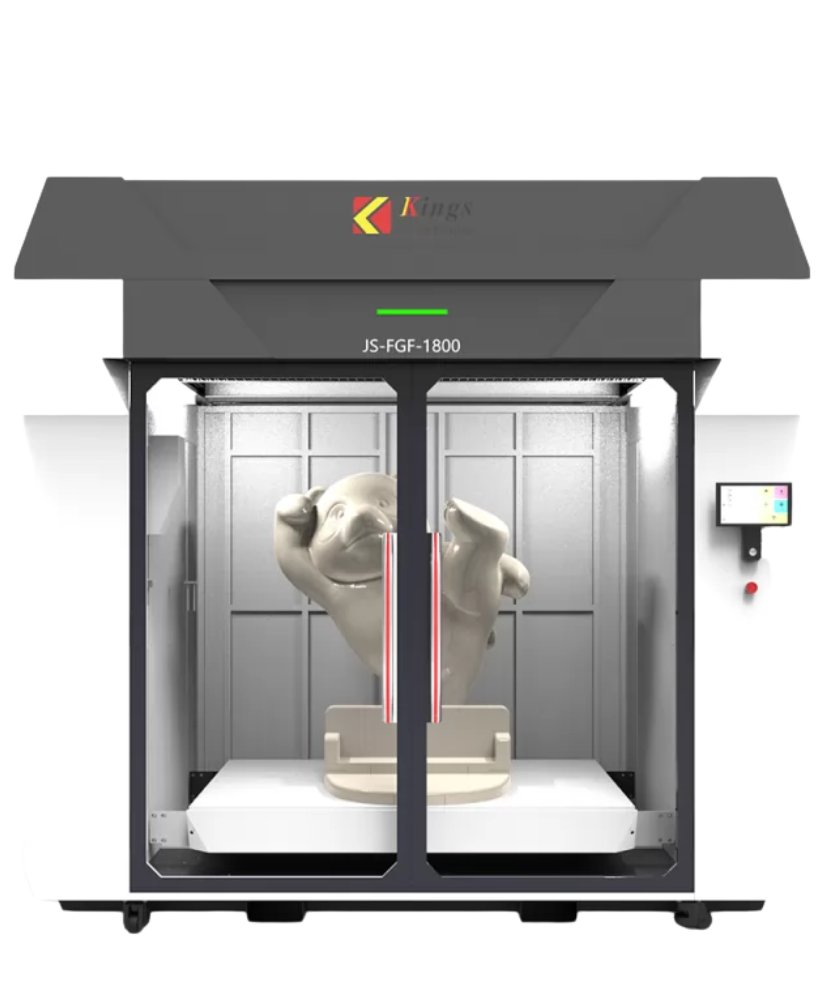
Example: Large scale FGF granule print 3.8 meters high fox model on video below.

Detailed Building Models

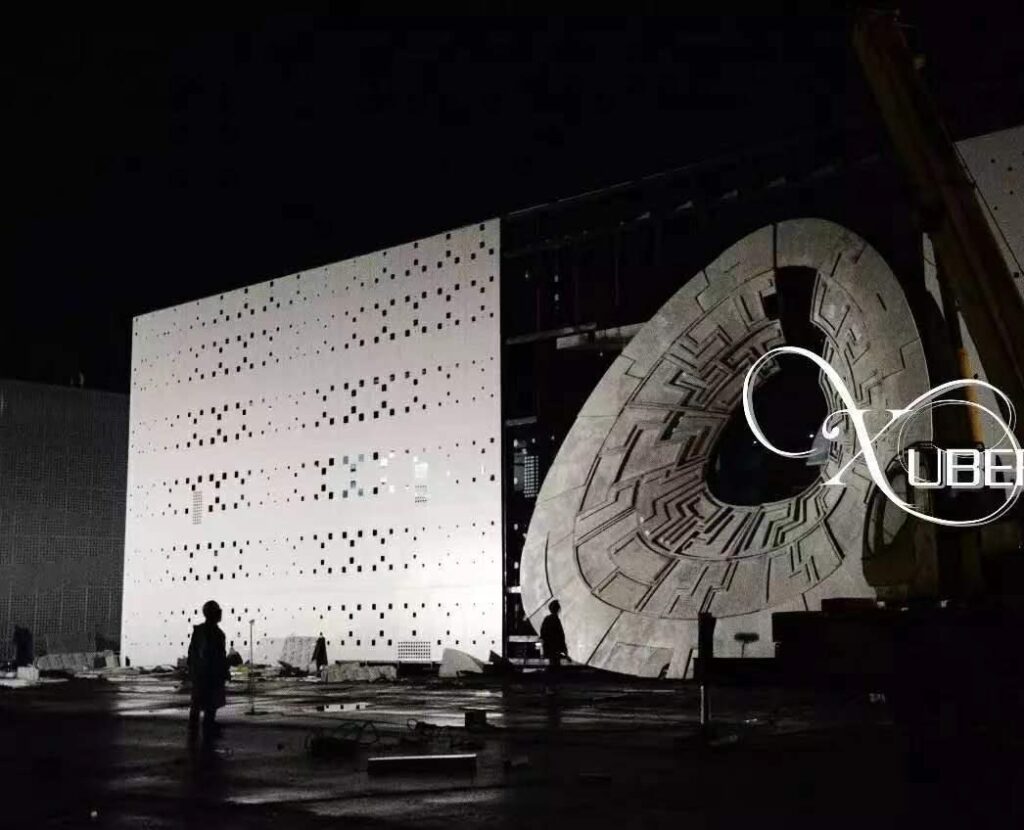
As the design evolves, FGF printing shines with its ability to create precise, detailed models of the building. Whether it’s a complicated façade or a detailed interior layout, these models offer a clear visual guide for everyone involved. It’s all about enhancing communication—when contractors and stakeholders can hold a physical model, it’s easier to align on specifics and ensure the final project turns out just as planned.

Example: For commercial skyscraper projects, an FGF model is used to present the intricate façade design, allowing contractors to review structural elements and confirm alignment before proceeding with construction.

img172

Urban Planning and Landscape Models

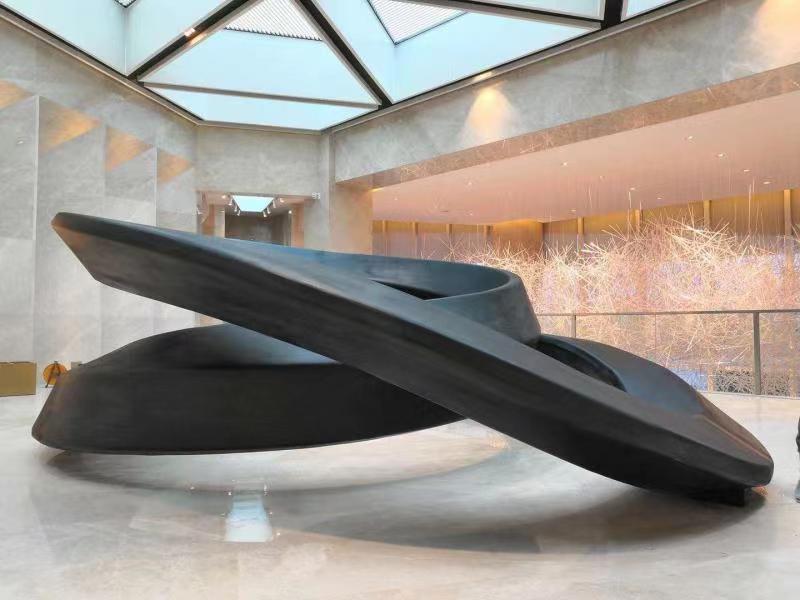
For larger-scale projects, FGF technology is particularly powerful. Think about building a cityscape model or planning new developments. FGF printing allows you to integrate topography and environmental features into your models, making them a fantastic tool for urban planning discussions. These models provide a clear picture of how a project fits into its surroundings, helping everyone involved see the big picture.

Example: City planning firms might use FGF to create a detailed urban landscape model, incorporating terrain, roads, and proposed buildings, to demonstrate how a new development will blend into an existing neighborhood.

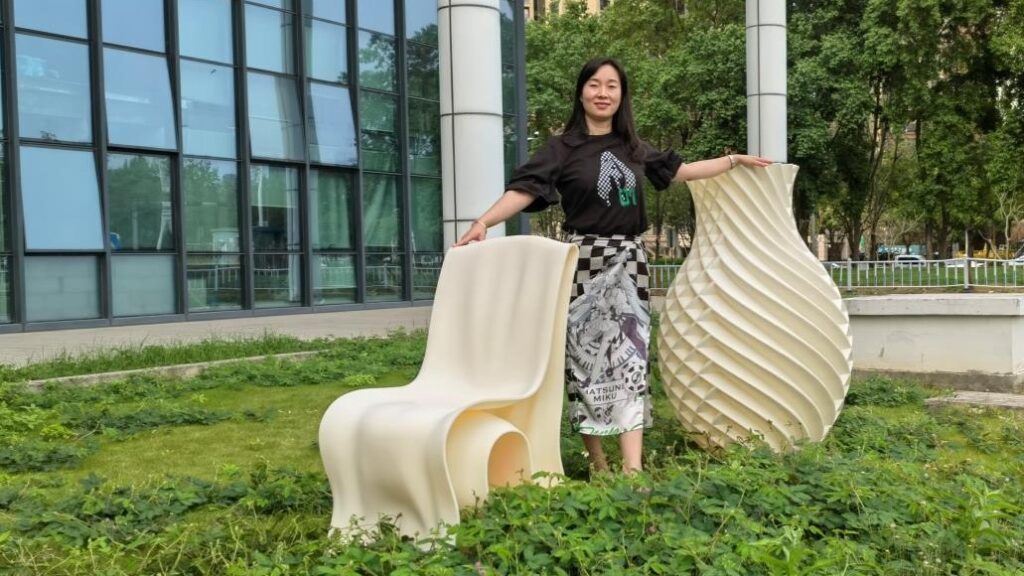
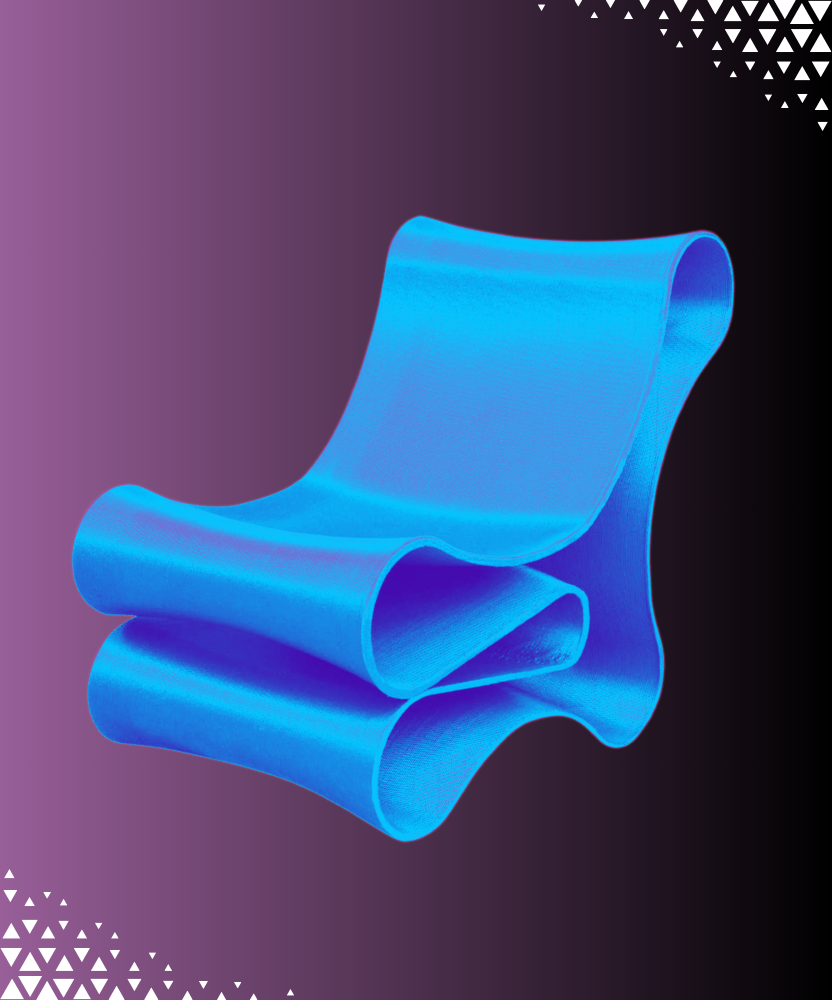
FGF 3D Printing for Furniture

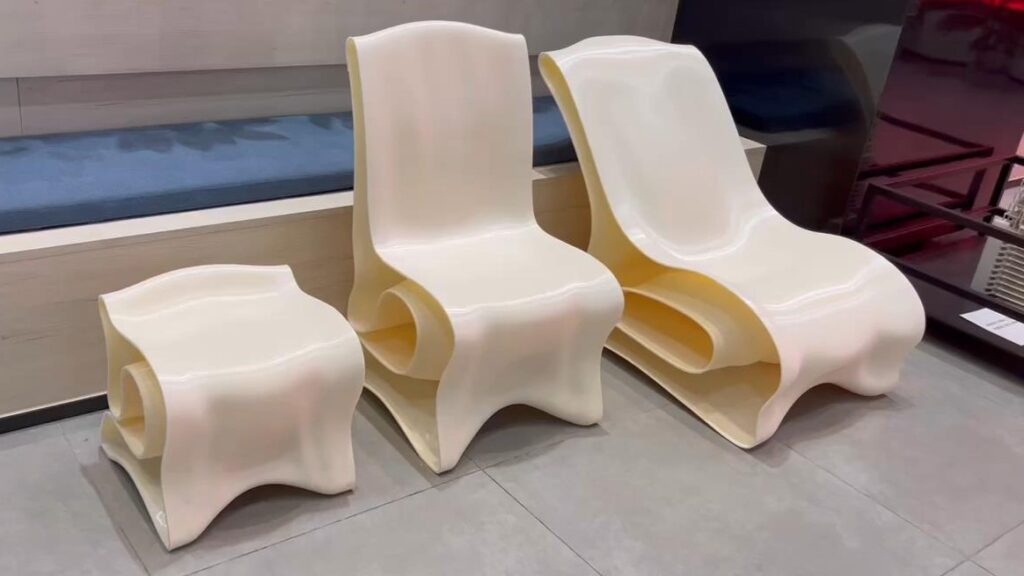
FGF (Fused Granulate Fabrication) technology revolutionizes furniture production by merging traditional additive manufacturing with granulated materials, enabling the creation of larger, more durable pieces.

  • Chairs: Ergonomically designed, customizable seating.
  • Tables: Unique designs with practical features.
  • Storage: Optimized shelving and storage solutions.
  • Decorative Pieces: Functional art enhancing spaces.

FGF technology offers exciting possibilities in furniture design, emphasizing creativity, sustainability, and customization to meet modern consumer demands.

img163
img164

Custom Components for Projects

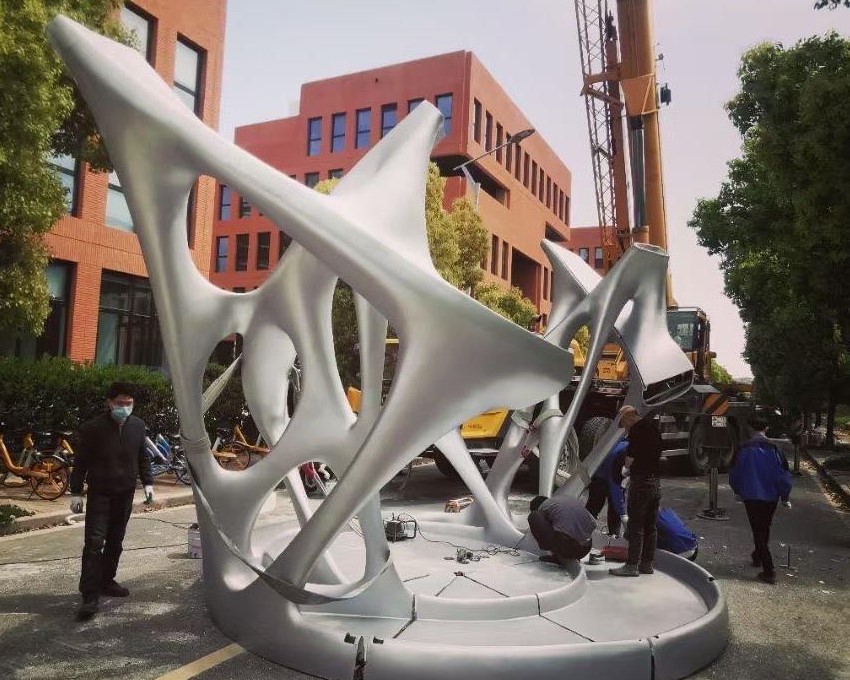
When a project requires unique design elements, FGF 3D printing offers endless possibilities. Whether it’s a custom façade prototype or detailed ornamentation, FGF can produce tailored pieces with remarkable precision. This opens up the chance to bring innovative designs to life, while also keeping costs in check.

Example: For a luxury hotel project, architects might use FGF to create intricate, custom-designed façade panels, ensuring each element matches the envisioned aesthetic while reducing material waste.

Why Choose FGF For Architectural Design?

FGF 3D printing is perfect for large-scale models. Whether it’s a complex urban development or a small residential building, FGF can easily scale up to accommodate your design needs. This flexibility ensures that no matter the project size, you can create models that accurately represent the final vision.

✅ No size limits: From tiny details to entire city blocks, FGF adapts.

✅Enhanced design precision: You maintain control, even with large models.


One of the strongest suits of FGF printing is the wide range of materials available. Whether you need a sustainable solution or a cost-effective alternative, FGF offers the flexibility to choose materials that suit your design goals.

✅ Eco-friendly options: Think recycled PLA or biodegradable materials.

✅ Durable choices: ABS and composite materials for projects requiring strength.


In the architectural world, time matters. FGF printing offers quick production times, making it easier to iterate designs and meet tight deadlines. When you need a model fast, this technology ensures that you can stay on track without sacrificing quality.

✅ Faster iteration: Get models produced quickly for revisions and client feedback.

✅ Meet deadlines: No more long delays while waiting for models to be made.

If you’re seeking efficient, precise, and scalable solutions for your architectural models, FGF might just be the key to transforming your design workflow.

Choosing the Right Printer and Materials

Before diving into FGF 3D printing, consider the following factors:


Factor

Considerations

Model Size

Will you be working on large-scale urban planning models or smaller, more intricate designs?

Material Requirements

Are you focusing on durability, texture, or color accuracy? Different materials offer unique properties.

Budget

Evaluate how much you’re willing to invest in a printer and materials.

Design Best Practices for FGF Models

To get the best results from FGF 3D printing, your design process should align with its capabilities:

  • Optimizing CAD Designs: Ensure your models are designed with support structures and print orientation in mind.
  • Challenges to Watch Out For:
    • Warping: Minimize this by ensuring a stable printing environment.
    • Layer Adhesion: Make sure your models are designed to avoid weak spots that could affect structural integrity.

Building In-House FGF Capability vs. Outsourcing

Should you invest in your own FGF 3D printer or partner with a service provider?

In-House FGF Printing

  • Pros: Full control over production, quicker turnaround times.
  • Cons: High initial investment, maintenance responsibility.

Outsourcing to a Service Provider

  • Pros: Lower upfront costs, access to expert 3D printers and 3D scanners, no maintenance concerns.
  • Cons: Less control over timelines, and possible communication delays.

Maintenance and Upkeep

To ensure your FGF 3D printer runs smoothly, consider these tips:


Maintenance Tips

Details

Regular Cleaning

Keep the print bed and nozzle free from debris to ensure smooth printing.

Software Updates

Stay up-to-date on firmware to ensure consistent performance and avoid errors.

Part Replacement

Regularly check for wear and tear on key components to extend the printer’s lifespan and maintain quality output.


By carefully planning your workflow and equipment choices, you can fully leverage FGF 3D printing to streamline your architectural design process, save time, and create high-quality models that meet your vision.

Future Trends In FGF 3D Printing For Architecture

FGF 3D printing is on the cusp of exciting advancements that will reshape the architectural landscape. Here’s a glimpse into the future:

  • New Materials: Innovation in FGF-compatible materials is expected to grow rapidly. Architects will soon have access to more durable, sustainable, and aesthetically versatile materials. For instance, carbon fiber-infused thermoplastics could provide a blend of lightweight strength and sustainability for both models and real-world applications.
  • Multi-Material Printing: this is set to become a standard feature. This means printing different materials in a single pass, giving designers the ability to create models with both rigid and flexible components in one go. Imagine a building façade printed in different textures, each material serving a specific purpose—from aesthetics to structural strength.
  • AI and Automation in Design: As AI continues to evolve, automated design software will allow architects to optimize their designs for printability, material use, and cost-effectiveness. Architects will be able to automatically adjust designs to ensure they meet the specific needs of FGF printing, improving both efficiency and accuracy.
  • On-Site Construction: On-site 3D printing will soon be used for more than just prototypes. With FGF technology, full-scale building components could be printed directly on-site, saving time and costs. This on-demand manufacturing will also ensure high levels of precision for each part, reducing the risk of errors in construction.
  • Sustainable Materials: As environmental concerns grow, architects will increasingly seek out eco-friendly materials for their designs. Expect recycled and bio-based materials to become more widely used in FGF printing, making architecture both innovative and sustainable.

With these advancements, FGF 3D printing will continue to empower architects with cutting-edge tools, pushing the limits of what can be achieved in architectural design and construction. The possibilities for innovation, efficiency, and sustainability are boundless.

Bringing Your Architectural Vision To Life With Additive Plus’s FGF Printing Services

FGF 3D printing is reshaping how architects approach design—from early conceptual models to detailed, full-scale structures. Its ability to handle large-scale models, intricate designs, and sustainable materials gives architects the flexibility to innovate while saving time and resources. Whether it’s streamlining client presentations or enhancing collaboration with contractors, FGF technology is becoming a cornerstone in modern architectural workflows.

At Additive Plus, we’re here to help you seamlessly integrate FGF 3D printing into your projects. With over 10 years of experience in the industry, we provide top-tier 3D printing equipment, 3D printing materials, and expert consulting tailored to your unique needs. Our advanced 3D printing services, including FGF, SLA, SLS, and metal DMLS, along with a curated portfolio of trusted brands like Kings3D and Farsoon Technologies, are designed to help you unlock the full potential of this innovative technology.

Contact us today for a personalized quote and let’s explore how FGF 3D printing can bring your ideas to life.

FAQ

What is the best 3D printer for architectural models?

The best 3D printer for architectural models depends on your specific needs. For large-scale, detailed models, look for an FGF (Fused Granular Fabrication) 3D printer, which offers material versatility and can handle large prints with high precision. If you’re working on more intricate designs, consider an SLA (Stereolithography) printer for high detail.

3D printing offers significant advantages over traditional methods, such as faster prototyping, the ability to create complex geometries, and reduced material waste. It allows architects to visualize and test their designs in real-time, making it easier to make adjustments before the actual construction phase, saving both time and money.

Yes, 3D printing is perfect for large-scale architectural models. With the right printer, like an FGF or SLA model, you can produce highly detailed and scaled-down versions of your architectural designs. These models are useful for client presentations, site planning, and even real-time adjustments during design revisions.

Common materials for 3D printing architectural models include PLA, ABS, and specialized composite materials such as wood and resin-based filaments. For outdoor use or more durable models, you can opt for tougher materials like nylon or PETG. Some printers also support eco-friendly materials, which could be important for sustainable design practices.

The production speed of a 3D printed architecture model depends on the complexity and size of the design. However, compared to traditional model-making, 3D printing can cut production time by up to 50%. For detailed models, it may take a few hours, but larger models can take a couple of days. Planning and optimization of your design can help speed up the process.

3D printing allows you to quickly create physical models that offer better insights into your design, making it easier to identify potential issues before construction begins. You can present highly detailed models to clients, test different configurations or materials, and even modify designs on the fly, improving client satisfaction and decision-making speed.

Yes, 3D printing can be a cost-effective option, especially for large projects. It reduces the need for costly physical prototyping and manual labor. Plus, with 3D printing, you can create multiple iterations quickly, ensuring your design is the best it can be before committing to expensive materials or construction. This also helps to minimize material waste.

Absolutely. 3D printing is ideal for prototyping custom architectural elements such as facades, staircases, or intricate building components. The process allows for rapid design changes, so you can quickly test different ideas and finalize your design before it’s integrated into the building.

3D print architecture is evolving rapidly in construction, with advancements in large-scale 3D printers capable of printing entire buildings. The future will likely involve more automation and faster, on-site printing, allowing for more cost-efficient and sustainable construction methods. Architects can also expect greater freedom to experiment with unconventional designs and materials.

To integrate 3D printing into your workflow, start by identifying key areas where it can add value, such as early-stage design visualization or prototyping complex elements. You’ll want to choose the right printer and materials based on your project requirements and ensure your team is trained in using the technology. For companies without the capacity for in-house printing, partnering with a 3D printing service provider can provide access to top-tier printers and expertise.

Request a quote

Scan My Object

Please describe your part and scanning needs. Include details like size, material, and how you plan to use the 3D model. Let us know if you require additional services like digital sculpting. Upload images of your part(s) if you have them.

Ask for details

Partner with us

Get instant quote

Talk to Material Expert

Select the unit of measurement for your file
No 3D file? We’ve got you. We can design it for you or scan your existing part.
Upload a photo or drawing if you have one — we’ll get in touch soon.
Select the unit of measurement for your file
No 3D file? We’ve got you. We can design it for you or scan your existing part.
Upload a photo or drawing if you have one — we’ll get in touch soon.
Select the unit of measurement for your file
No 3D file? We’ve got you. We can design it for you or scan your existing part.
Upload a photo or drawing if you have one — we’ll get in touch soon.
Select the unit of measurement for your file
No 3D file? We’ve got you. We can design it for you or scan your existing part.
Upload a photo or drawing if you have one — we’ll get in touch soon.