Skip to content
General_cleaning_machine_3d-printing-scaled-1

Corded vs. Cordless Industrial Vacuums for 3D Printing Labs: Which Is More Practical?
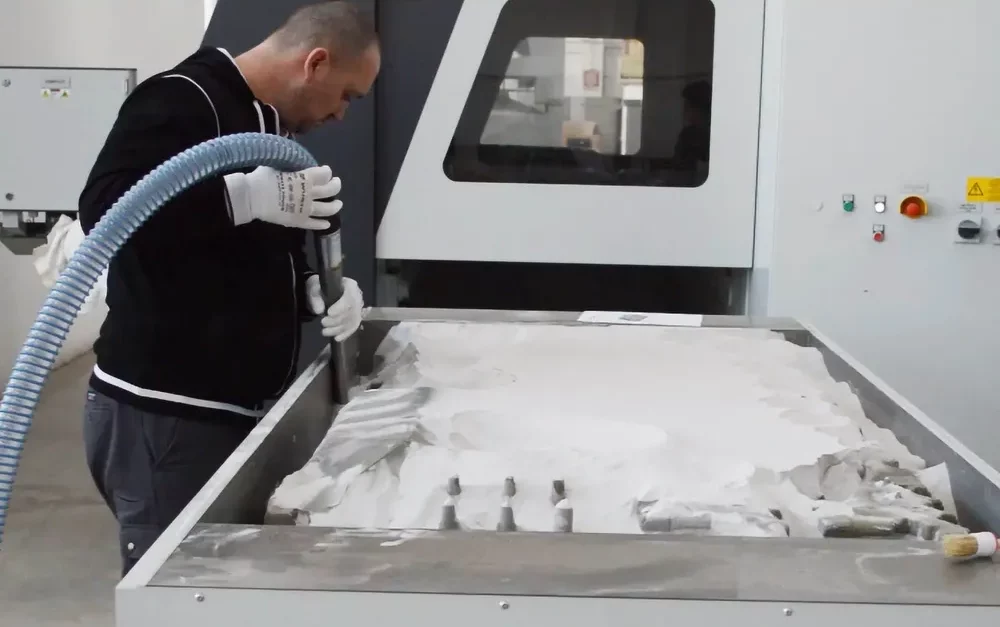
3D printing labs face unique cleaning challenges. From ultrafine powders used in Selective Laser Sintering (SLS) to sticky residues from resin-based processes and hazardous metal powders, maintaining cleanliness isn’t just aesthetic—it’s essential for safety, performance, and compliance. Choosing between a corded industrial vacuum and a cordless industrial vacuum can significantly affect your lab’s workflow efficiency and safety standards.

In this guide, we’ll explore the practicality of both corded and cordless industrial vacuums, helping you select the optimal solution tailored for your additive manufacturing environment.

Corded Industrial Vacuums: Powerful and Reliable

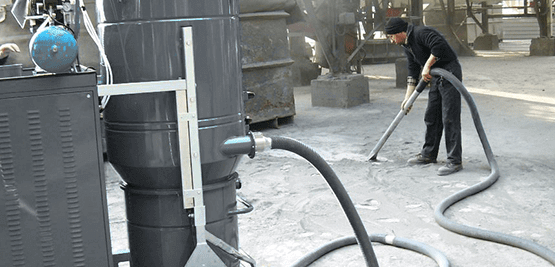
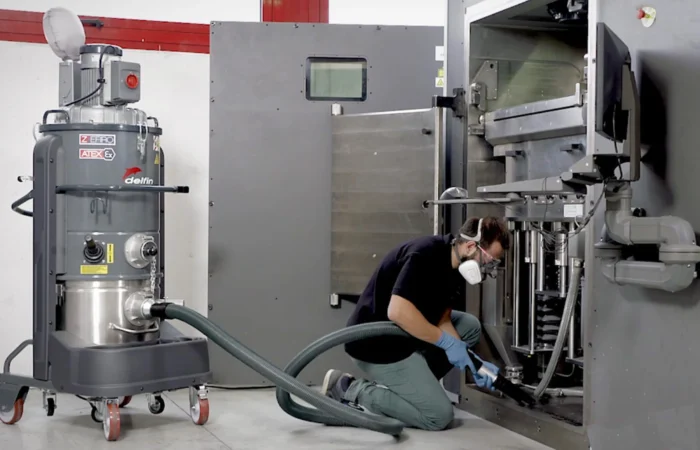
Corded industrial vacuum systems offer consistent, robust performance ideal for intensive industrial environments. They rely on continuous power supply, delivering reliable, uninterrupted suction—essential for handling extensive cleaning operations and challenging materials like metal powders and resin spills.

Key Benefits of Corded Industrial Vacuums

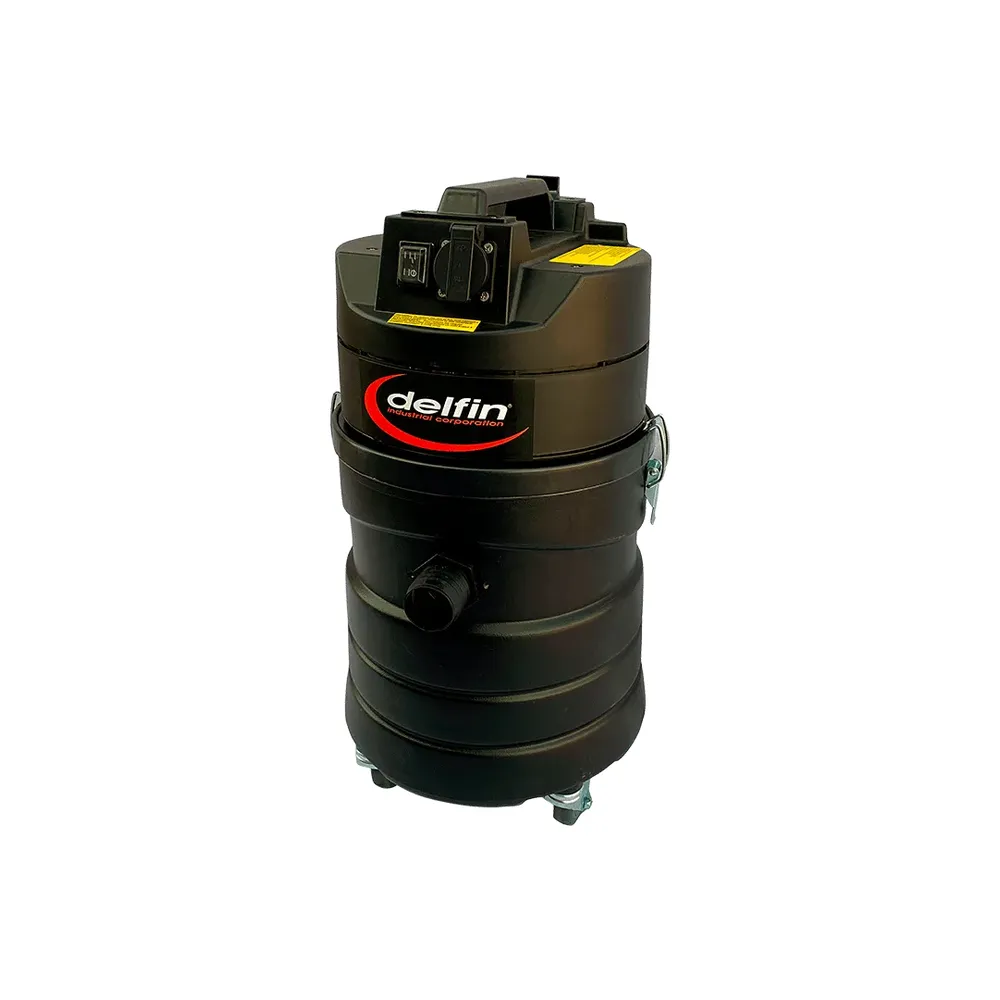
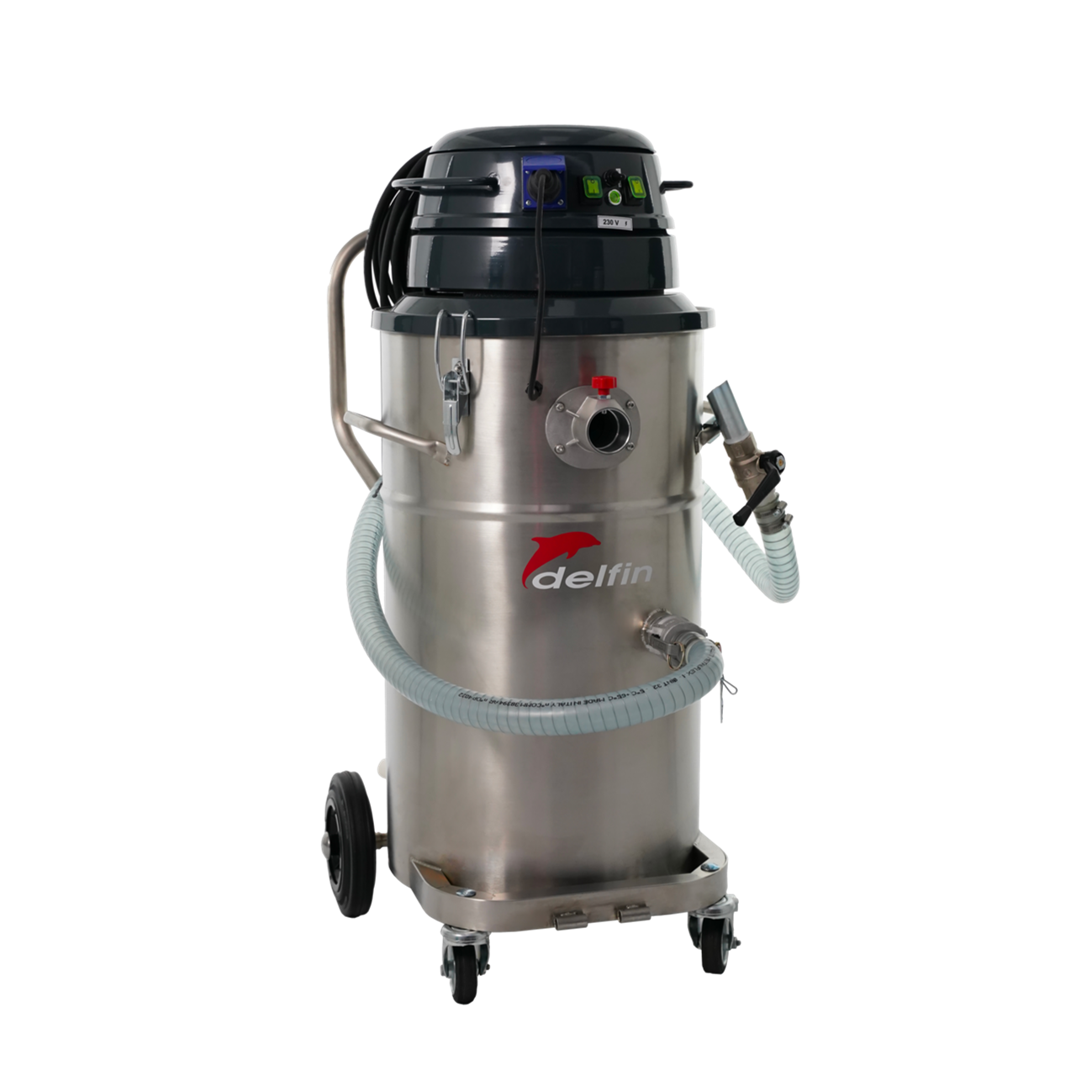
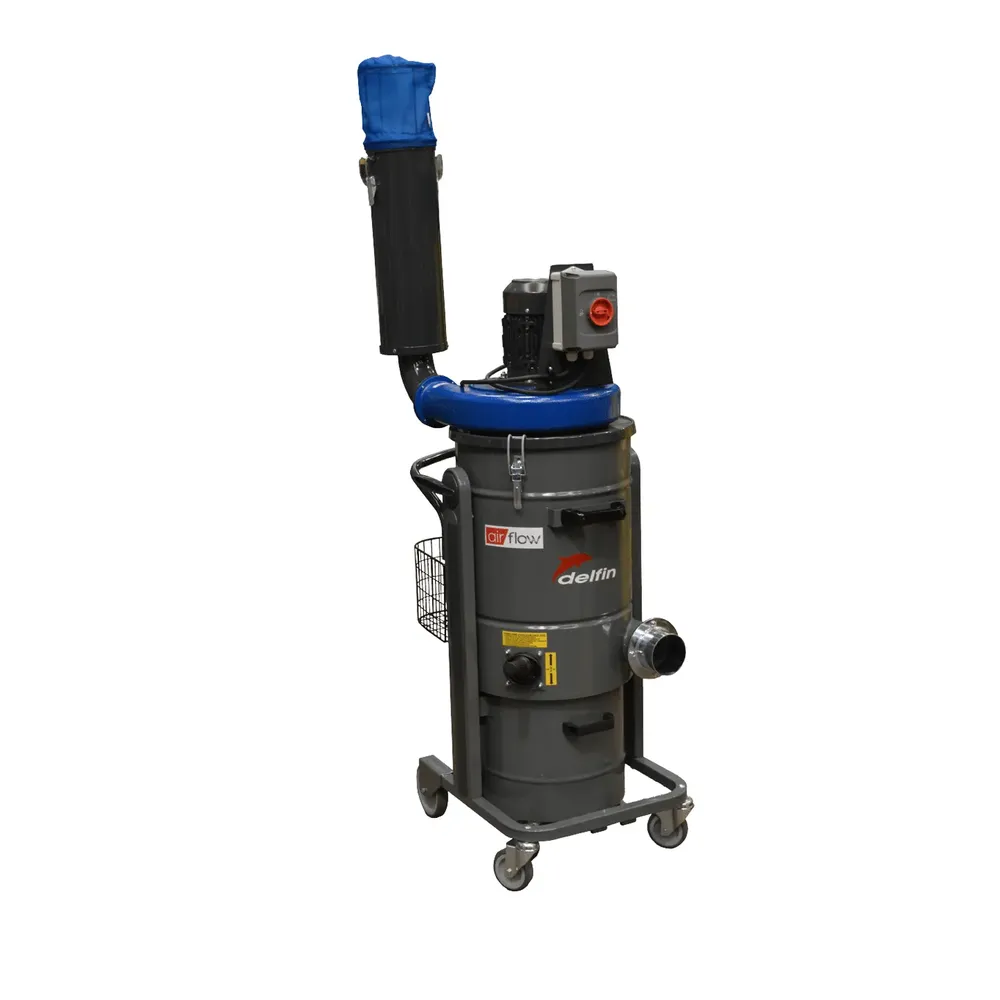
Robust Filtration Systems: Industrial vacuums like the PRO HEPA 20 Industrial Vacuum and Delfin Mistral 451 BL Inert Industrial Vacuum often include advanced HEPA filtration, ideal for capturing fine particles from metal or polymer powders.

suction-dus-3DPRINT1-scaled-e1740084404499

Drawbacks of Corded Industrial Vacuums

  • Limited Mobility: The power cord restricts mobility, potentially becoming an obstacle in crowded workspaces, especially those needing frequent reconfiguration.

  • Setup Time: The necessity to arrange extension cords or power outlets can introduce delays.

Ideal Applications for Corded Industrial Vacuums

Corded industrial vacuum cleaners like the Delfin Mistral 300 BL D2 Industrial Vacuum and ZFR EV AP 560 Industrial Vacuum excel in stationary setups where powerful suction and continuous usage outweigh mobility concerns. They’re well-suited for environments with regular heavy-duty cleanups involving metal powders, resins, and combustible particles.

Cordless Industrial Vacuums: Versatile and Agile

Cordless industrial vacuum cleaners, powered by rechargeable batteries, offer unmatched flexibility and ease of use. Ideal for dynamic work environments, cordless options facilitate swift cleanup across diverse and complex lab layouts.

Key Benefits of Cordless Industrial Vacuums

  • Enhanced Mobility: The cordless PRO HEPA 10 Industrial Vacuum enables easy navigation around equipment, reaching tight and difficult-to-access areas.
  • Quick Setup: Immediate readiness without the need to manage cords or search for power outlets simplifies spontaneous cleaning tasks.
  • Safer Operation: Eliminating cords reduces tripping hazards, contributing significantly to workplace safety, particularly in busy or confined areas.


Drawbacks of Cordless Industrial Vacuums

  • Limited Runtime: Battery life can restrict operation time, necessitating frequent recharging or spare batteries.
  • Lower Power Output: While suitable for moderate applications, cordless vacuums typically have slightly lower suction power compared to their corded counterparts.

Ideal Applications for Cordless Industrial Vacuums

Cordless industrial vacuum systems, like the ZFR EV AP 420 Industrial Vacuum, are perfect for tasks that require frequent repositioning, quick cleanup between printing cycles, and maintaining cleanliness in smaller labs with less intensive debris accumulation.

Practical Considerations: Comparing Corded vs. Cordless Vacuums

To make an informed decision, consider the following practical points relevant to 3D printing environments:

Material Type and Volume

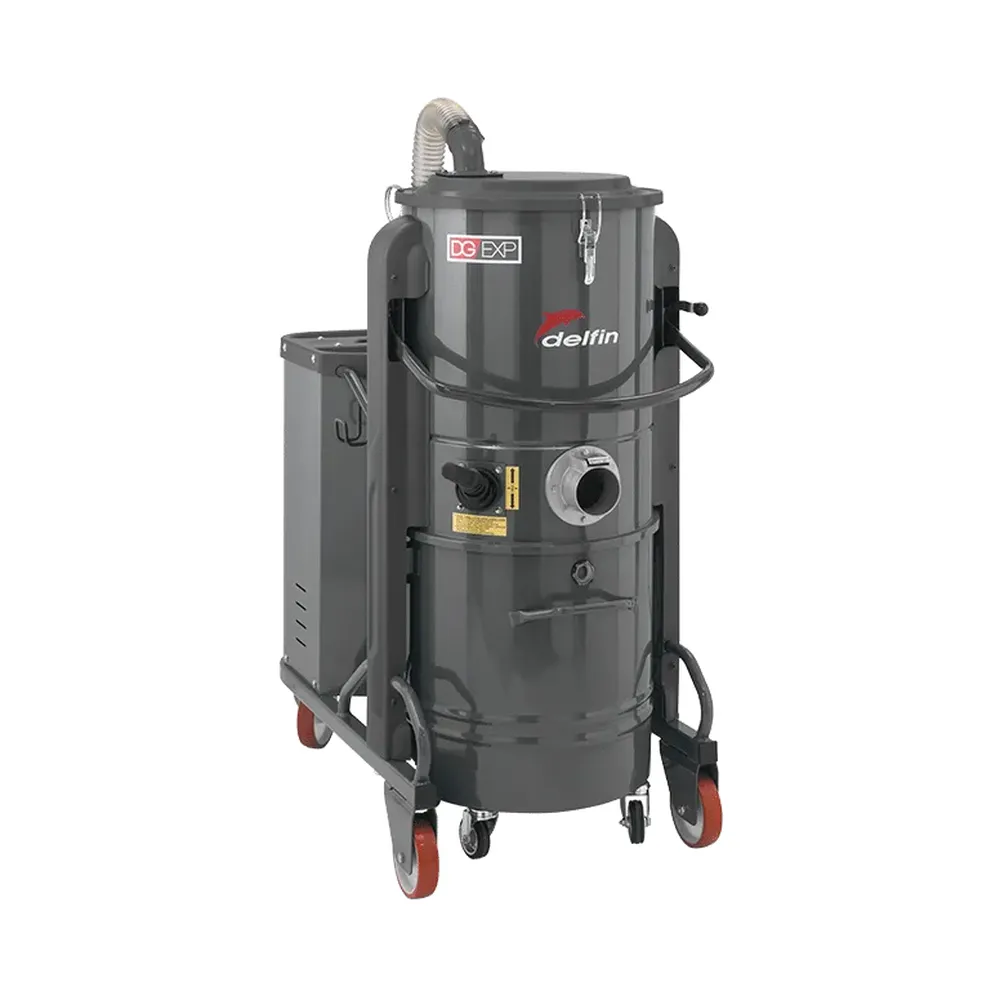
  • Metal Powders: Metal printing labs that handle combustible or reactive powders like titanium or aluminum typically benefit from corded, grounded, and explosion-proof industrial vacuums, such as the Mistral 451 BL D2 Industrial Vacuum.
  • Resin-based Processes: Labs frequently dealing with smaller resin spills can effectively manage cleanups using cordless vacuums, enhancing workflow efficiency.
  • Polymer Powders: SLS processes generating considerable amounts of nylon powder might require the robust filtration of corded industrial vacuum cleaners.

Safety and Compliance Requirements

Compliance with OSHA and NFPA guidelines significantly influences vacuum selection:

  • Corded vacuums with explosion-proof certifications and specialized grounding are mandatory when dealing with hazardous metal and polymer powders.
  • Cordless vacuums may offer sufficient protection and convenience for lower-risk environments or intermittent cleaning requirements.


Heavy_duty_vacuum_cleaner_5ba3a4e96caa3_60cc639fc44c1-e1750688643862

Workspace Layout and Size

  • Large Facilities: Corded industrial vacuums are advantageous due to unlimited runtime and higher power, beneficial for extensive cleaning in large spaces.
  • Compact or Dynamic Spaces: Cordless vacuums offer superior convenience and maneuverability, ideal for smaller, congested, or frequently reconfigured labs.


Budget and Maintenance

  • Corded industrial vacuums generally require less frequent battery replacements or additional battery packs, reducing long-term maintenance expenses.
  • Cordless vacuums, while initially lower-priced, might incur additional ongoing battery-related expenses.

Choosing the Right Industrial Vacuum for Your 3D Printing Lab

Both corded and cordless industrial vacuum systems have their place in 3D printing environments. Here’s a quick summary to help you choose:

  • Select a Corded Industrial Vacuum if you require robust power, continuous usage, heavy-duty cleaning, and comprehensive compliance with stringent safety standards.
  • Choose a Cordless Industrial Vacuum if your lab demands agile, frequent cleaning in various locations, and if ease of mobility significantly enhances your workflow.

For comprehensive vacuum selections tailored specifically for additive manufacturing, explore Additive Plus’s dedicated range:

  • High-powered Corded Models:
  • Agile Cordless Models:

Final Thoughts: Striking the Right Balance

Choosing between a corded or cordless industrial vacuum ultimately depends on your lab’s unique needs, operational scale, and material handling requirements. By evaluating practical considerations and safety demands, you can optimize cleaning efficiency, maintain regulatory compliance, and ensure a safer, cleaner working environment.

With the right vacuum solution, your 3D printing lab will not only operate more safely but also significantly improve operational efficiency, supporting your lab’s productivity and innovation in additive manufacturing.

Request a quote

Scan My Object

Please describe your part and scanning needs. Include details like size, material, and how you plan to use the 3D model. Let us know if you require additional services like digital sculpting. Upload images of your part(s) if you have them.

Ask for details

Partner with us

Get instant quote

Talk to Material Expert

Select the unit of measurement for your file
No 3D file? We’ve got you. We can design it for you or scan your existing part.
Upload a photo or drawing if you have one — we’ll get in touch soon.
Select the unit of measurement for your file
No 3D file? We’ve got you. We can design it for you or scan your existing part.
Upload a photo or drawing if you have one — we’ll get in touch soon.
Select the unit of measurement for your file
No 3D file? We’ve got you. We can design it for you or scan your existing part.
Upload a photo or drawing if you have one — we’ll get in touch soon.
Select the unit of measurement for your file
No 3D file? We’ve got you. We can design it for you or scan your existing part.
Upload a photo or drawing if you have one — we’ll get in touch soon.