Stainless Steel 3D Printing: The Future of Durable, Precision Manufacturing
3D printing has revolutionized modern manufacturing, allowing for faster prototyping, reduced waste, and intricate designs once thought impossible. As additive manufacturing continues to evolve, stainless steel 3D printing emerges as a game-changing technology. Offering strength, corrosion resistance, and precision, 3D printing stainless steel opens new possibilities across industries.
In this article, we’ll explore the benefits, applications, innovations, and future of stainless steel 3D printing, while diving deep into how stainless steel 3D printers are redefining durable, precision manufacturing.
What is Stainless Steel 3D Printing?
Stainless steel 3D printing refers to the process of creating three-dimensional objects using stainless steel powders and advanced 3D printing technologies. A stainless steel 3D printer typically employs methods like Direct Metal Laser Sintering (DMLS) or Selective Laser Sintering (SLS) to fuse metal particles layer by layer.
When 3D printing stainless steel, manufacturers can produce complex geometries that traditional methods struggle to achieve. Stainless steel’s properties—including high tensile strength and excellent corrosion resistance—make it ideal for critical components in aerospace, automotive, healthcare, and industrial manufacturing.
Key terms to know:
- Stainless steel 3D printer: A machine designed to fabricate objects using stainless steel powders.
- 3D printing steel: The general process of printing objects using any steel material, including stainless variants.
- Stainless steel 3D printing: Focused specifically on stainless alloys known for their durability and resistance.
The Advantages of Stainless Steel in 3D Printing
Precision and Durability
Steel 3D printing offers unparalleled precision. Stainless steel 3D printers are capable of producing parts with intricate designs and tight tolerances, making them invaluable in industries where accuracy is crucial. Aerospace companies rely on this precision for engine components and aircraft structures, while medical device manufacturers use it for surgical instruments and implants.
Corrosion Resistance and Strength
One of the main reasons companies turn to stainless steel 3D printing is corrosion resistance. Whether it’s high-humidity environments, exposure to chemicals, or marine settings, stainless steel maintains its integrity where other materials fail. Steel 3D printing solutions provide robust components that perform reliably in harsh conditions, from oil rigs to space missions.
Cost Efficiency and Customization
While the initial cost of 3D printing stainless steel may seem high, it reduces material waste significantly. Traditional subtractive manufacturing cuts away material, whereas additive manufacturing builds only what’s needed. Additionally, stainless steel 3D printing allows for on-demand customization, empowering manufacturers to create personalized parts without expensive tooling changes.
How Stainless Steel 3D Printers Work
-
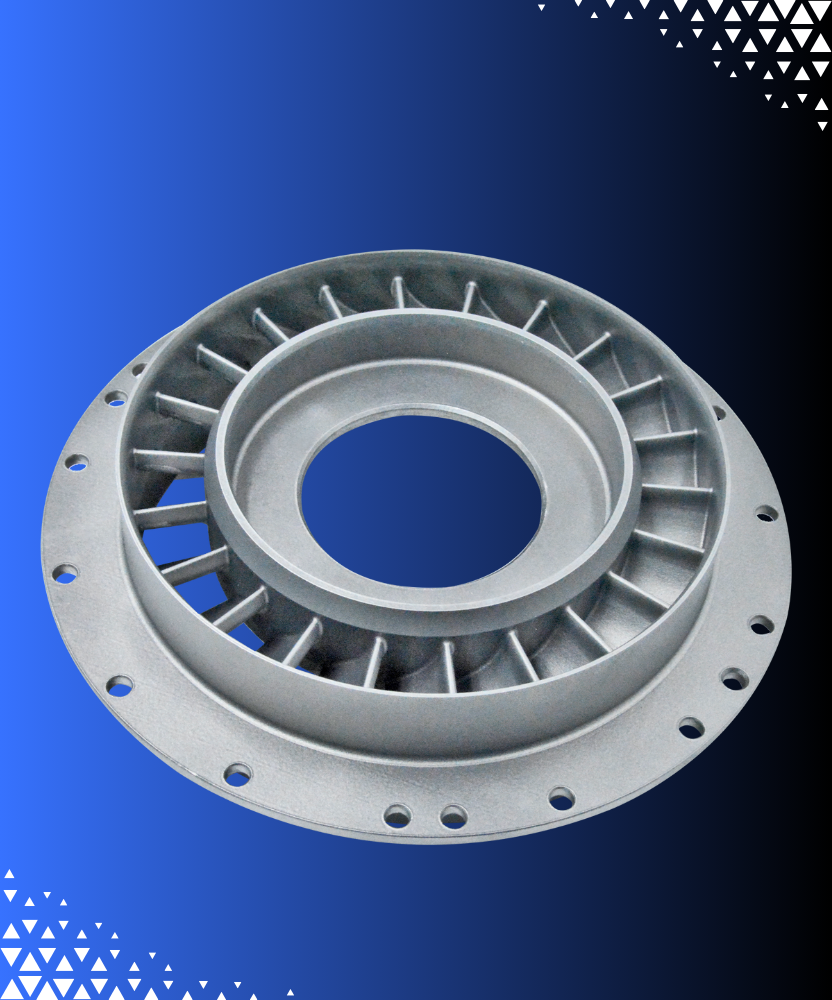
Metal 3D Printing (LPBF-DMLS) – Functional Metal Parts
High-precision metal 3D printing for strong, complex, and fully dense functional parts.
-
Compatible platform:
Metal LPBF
-
Type:
Metal Powders
-
Compatible platform:
A stainless steel 3D printer typically uses advanced powder bed fusion (PBF) technologies such as Direct Metal Laser Sintering (DMLS), Selective Laser Melting (SLM), and Electron Beam Melting (EBM). These techniques allow for the creation of highly precise, durable metal parts that are ideal for industrial, medical, and aerospace applications.
1. Layer-by-Layer Fabrication
The process begins with a thin, even layer of stainless steel powder being distributed across the build platform. This powder is often composed of fine stainless steel particles designed for optimal flow and uniformity.
2. Laser Fusion
A powerful energy source—typically a laser or electron beam—is directed at specific areas of the powder bed. Guided by a digital 3D CAD model, the energy precisely fuses the powder particles together, solidifying them into the desired cross-section of the part. The type of energy source used depends on the technology:
- DMLS/SLM uses a high-powered laser
- EBM uses an electron beam in a vacuum chamber
3. Layering
Once a layer is completed, the build platform lowers slightly, and a new layer of powder is spread over the surface. This process repeats, layer by layer, fusing each new cross-section to the previous one. Depending on the part’s complexity and the machine’s specifications, this step may involve hundreds or even thousands of layers.
4. Post-Processing
After printing, the part isn’t immediately ready for use. Most stainless steel prints require post-processing to enhance their mechanical properties and surface quality. This can include:
- Heat treatment to relieve internal stresses and improve strength
- Support removal if the part was printed with temporary support structures
- Surface finishing such as polishing, machining, or bead blasting for a smoother appearance and improved functionality
Common Stainless Steel 3D Printing Technologies
Several types of metal 3D printing systems are used to process stainless steel, each with unique advantages:
- Direct Metal Laser Sintering (DMLS): Excellent for complex geometries and fine details; widely used in aerospace and medical fields.
- Selective Laser Melting (SLM): Similar to DMLS but designed for complete melting, resulting in higher-density parts.
- Electron Beam Melting (EBM): Uses an electron beam in a vacuum, ideal for printing large parts quickly with high mechanical strength.
These technologies differ in aspects such as build speed, resolution, energy source, and material compatibility. The choice depends on the specific application, whether it’s prototyping a medical implant or manufacturing high-strength automotive components.
Applications of Stainless Steel 3D Printing in Industry
Aerospace
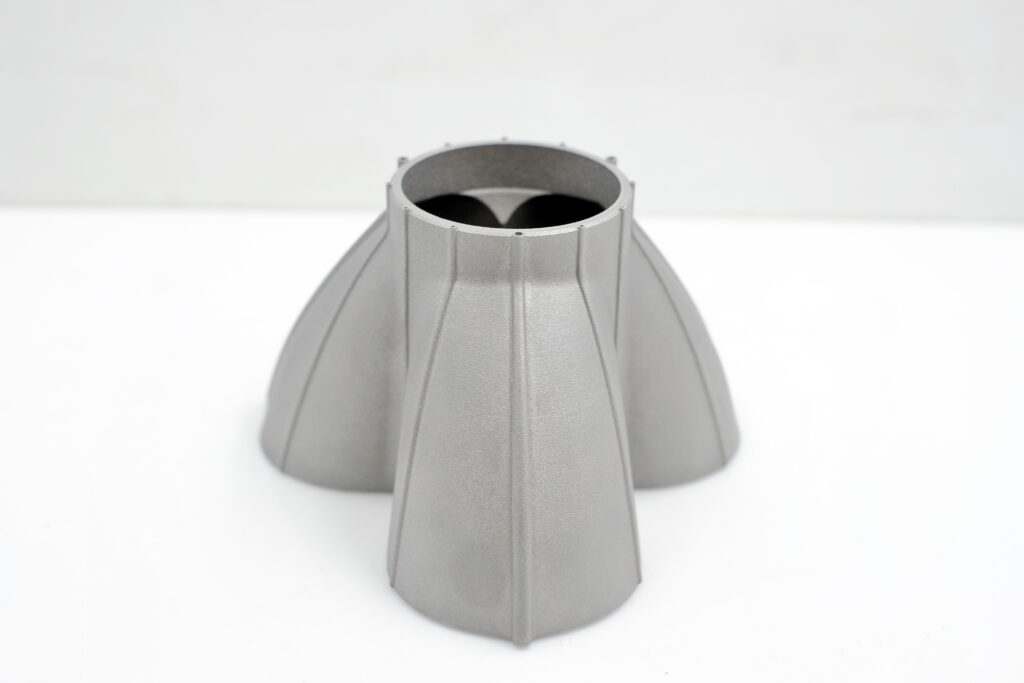
In aerospace, every gram matters. Stainless steel 3D printing provides lightweight yet strong parts, essential for fuel efficiency and safety. Companies like Boeing and SpaceX use stainless steel 3D printers to produce engine components, brackets, and structural supports with optimized designs that reduce weight without compromising strength.
Medical Devices
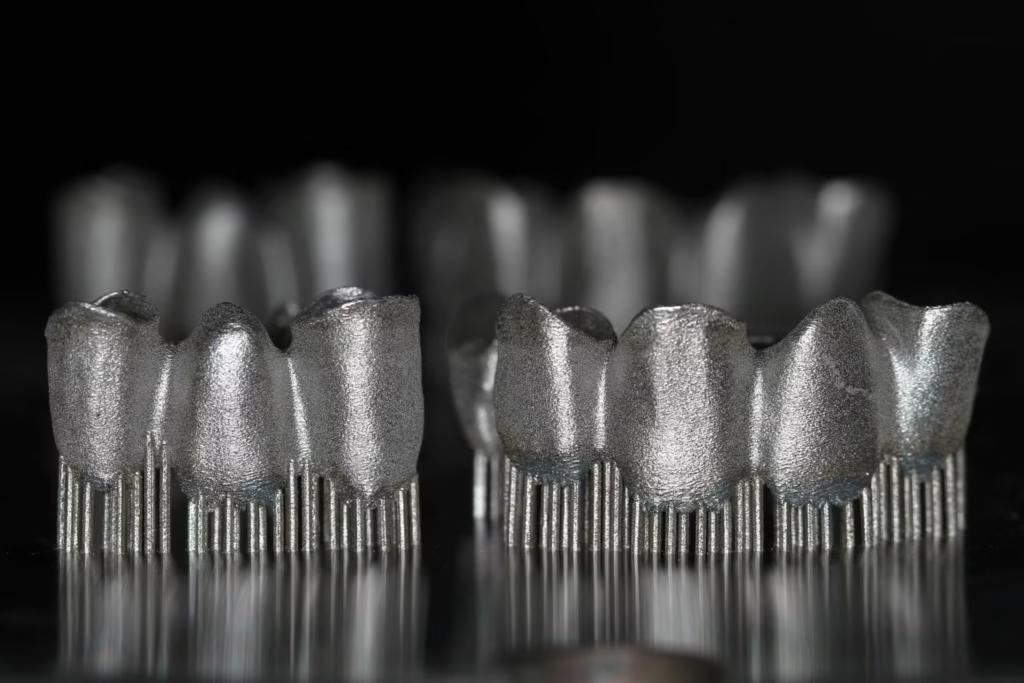
Customization is crucial in medical devices, and 3D printing stainless steel offers the ability to create patient-specific implants, surgical tools, and prosthetics. Stainless steel’s biocompatibility ensures that implants are safe for use inside the human body, while the design flexibility enables complex geometries for improved medical outcomes.
Automotive
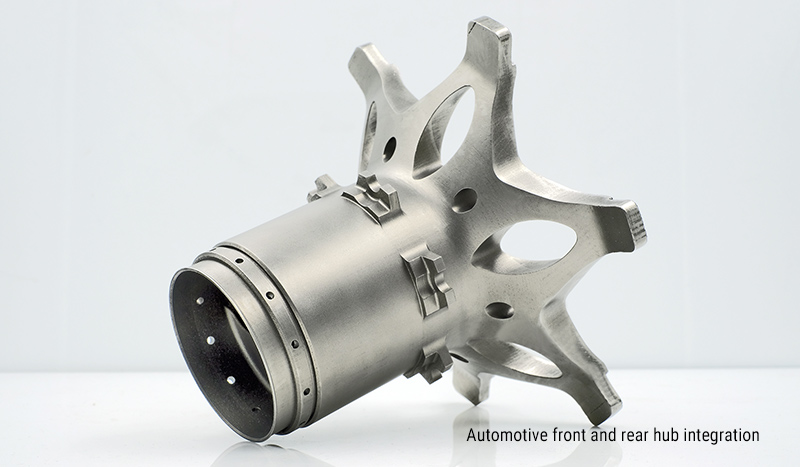
Automakers utilize steel 3D printing for prototyping as well as producing end-use parts such as turbocharger housings and structural supports. The ability to create durable, lightweight components quickly shortens product development cycles and enhances vehicle performance.
Tooling and Industrial Manufacturing
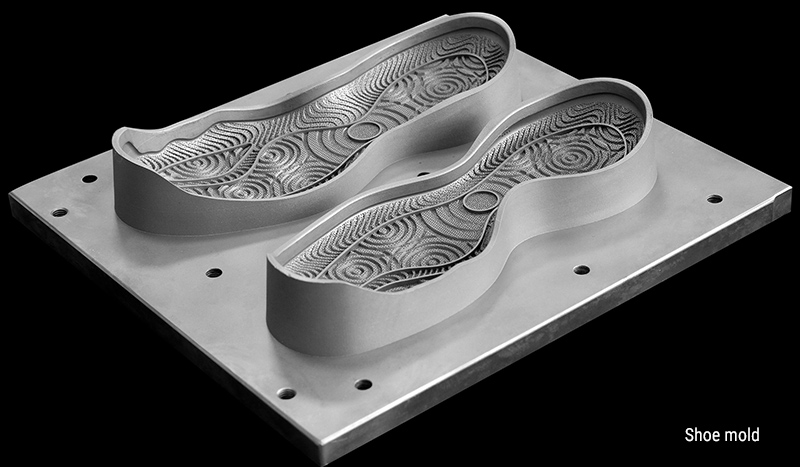
Stainless steel 3D printing excels in producing custom tooling, molds, and fixtures. Manufacturers benefit from rapid turnaround times and reduced costs associated with traditional machining, especially for small-batch or complex tools.
Innovations in Stainless Steel 3D Printing
New Materials and Alloys
Researchers and manufacturers are constantly developing new stainless steel alloys tailored for 3D printing. These alloys offer enhanced heat resistance, improved mechanical properties, and better printability, expanding the possibilities for stainless steel 3D printing in extreme environments.
Enhanced Speed and Efficiency
Innovations such as multi-laser systems, faster scanning technologies, and improved powder management have drastically reduced the time it takes to 3D print steel parts. These advancements make stainless steel 3D printing more viable for larger production runs and critical manufacturing needs.
Challenges and Limitations of Stainless Steel 3D Printing
Material Costs
One notable challenge is the high cost of stainless steel powders compared to traditional materials. High-quality powder production requires tight control over particle size and composition, contributing to the expense.
Post-Processing Challenges
While a stainless steel 3D printer can create near-net-shape parts, post-processing steps like heat treatment, machining, and polishing are often necessary to meet final specifications. These additional steps add time and cost.
Machine and Material Limitations
Current stainless steel 3D printers are limited by build volume and speed. Large-scale industrial parts may require significant post-assembly or multiple prints, which can impact project timelines.
The Future of Stainless Steel 3D Printing
As technology progresses, we can expect stainless steel 3D printing to become faster, more affordable, and accessible to a wider range of industries. Future innovations will likely address current material costs, printing speeds, and post-processing inefficiencies.
The integration of artificial intelligence and machine learning into printer software will optimize print paths, material usage, and quality control. New alloy developments will further enhance the mechanical properties of 3D printed stainless steel parts, expanding their applications from Earth to deep-space exploration.
Industries like aerospace, automotive, and healthcare stand to benefit the most, but as stainless steel 3D printing matures, its reach will continue to expand across construction, energy, and consumer goods sectors.
Conclusion
Stainless steel 3D printing is redefining what’s possible in durable, precision additive manufacturing. By offering exceptional strength, corrosion resistance, and intricate design capabilities, it is transforming industries and pushing the boundaries of innovation.
As stainless steel 3D printers become faster, more efficient, and capable of working with advanced materials, they will play a central role in the future of manufacturing. Businesses that adopt 3D printing stainless steel today will be well-positioned to lead in tomorrow’s competitive landscape.
FAQ
What is stainless steel 3D printing?
Stainless steel 3D printing is the process of creating complex metal parts by fusing layers of stainless steel powder using technologies like DMLS, SLM, or EBM. It enables high-strength, corrosion-resistant components for industrial use.
What makes a stainless steel 3D printer different from other 3D printers?
A stainless steel 3D printer uses high-powered lasers or electron beams to fuse metal powders rather than plastic filaments. These printers are designed to handle high temperatures and produce parts with superior mechanical properties and dimensional accuracy.
How strong are 3D printed stainless steel parts?
3D printed steel parts can match or exceed the strength of traditionally machined components. Stainless steel offers high tensile strength, wear resistance, and durability, making it ideal for aerospace, automotive, and medical applications.
How much does stainless steel 3D printing cost?
Stainless steel 3D printing costs vary based on part size, complexity, and technology. Prices can range from $100 for small parts to $2,000+ for industrial components, factoring in material, machine time, and post-processing.
Is 3D printing steel better than traditional manufacturing?
In many cases, yes. 3D printing steel reduces material waste, allows for complex geometries, and shortens production cycles. It’s especially beneficial for low-volume production, prototyping, and parts with intricate internal structures.
What industries use stainless steel 3D printing?
Industries such as aerospace, automotive, medical devices, tooling, and heavy manufacturing rely on steel 3D printing for its strength, precision, and customization capabilities.
Can stainless steel 3D printing be used for medical implants?
Yes. Due to its biocompatibility and precision, 3D printing stainless steel is widely used for custom implants, surgical tools, and prosthetics. It allows for patient-specific designs that improve fit and performance.
What are the main advantages of stainless steel 3D printing?
Key benefits include:
- High strength and durability
- Excellent corrosion resistance
- Complex design capabilities
- Reduced material waste
- Customization without tooling changes
Are there limitations to stainless steel 3D printing?
Yes. Limitations include high material cost, post-processing requirements, and constraints in printer build size. However, innovations are addressing these issues rapidly.
Which stainless steel alloys are used in 3D printing?
Common alloys include 316L, 17-4 PH, and custom-engineered stainless steel powders. Each alloy offers different levels of strength, corrosion resistance, and thermal performance, depending on the application.
How long does it take to 3D print stainless steel parts?
Print times depend on the size and complexity of the part. Small components can be printed in a few hours, while large industrial parts may take 1–3 days including post-processing.
Is stainless steel 3D printing environmentally friendly?
Compared to subtractive methods, 3D printing stainless steel is more sustainable. It minimizes waste and allows for on-demand production, reducing overproduction and inventory-related emissions.
What types of printers are used for stainless steel 3D printing?
Technologies include:
- Direct Metal Laser Sintering (DMLS)
- Selective Laser Melting (SLM)
Electron Beam Melting (EBM)
These printers offer different advantages in terms of speed, detail, and part density.
How accurate is stainless steel 3D printing?
Modern stainless steel 3D printers can achieve tolerances as tight as ±0.05 mm, making them suitable for mission-critical applications in aerospace and healthcare.
What’s the future of stainless steel 3D printing?
The future holds faster machines, improved materials, reduced costs, and broader adoption across industries. As technologies evolve, steel 3D printing will become a mainstream solution for durable, precision manufacturing.
Related Posts
3D printing has revolutionized modern manufacturing, allowing for faster prototyping, reduced waste, and intricate designs…