Struggling with aligning your 3D printed parts? This guide offers step-by-step instructions, tips, and techniques to ensure accurate, seamless fitment every time.
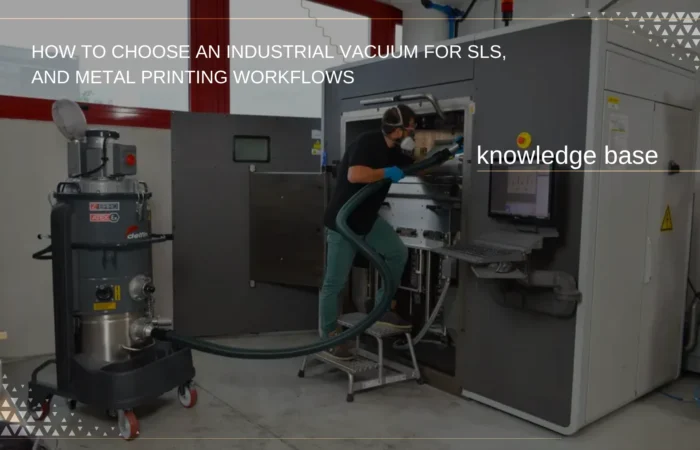
How to Choose an Industrial Vacuum for SLS, and Metal Printing Workflows
Industrial 3D printing technologies—ranging from Selective Laser Sintering (SLS) to metal additive manufacturing—have reshaped modern production. These advanced techniques enable exceptional design flexibility, rapid prototyping, and scalable, on-demand manufacturing. Whether it’s aerospace components, medical devices, dental prosthetics, or intricate jewelry pieces, industries are embracing additive manufacturing to accelerate innovation, reduce lead times, cut costs, and offer mass customization.
However, the advantages of these high-performance workflows come with significant operational considerations. Each printing process generates unique byproducts—such as ultrafine and often combustible powders and volatile organic compounds (VOCs)—that can compromise worker safety, damage sensitive equipment, and degrade indoor air quality.
To maintain a safe and efficient environment, manufacturers must implement proper containment protocols and invest in industrial-grade vacuum systems engineered specifically for additive manufacturing. These systems play a critical role in managing contamination risks, protecting both people and machines, and ensuring compliance with industry safety standards.
To maintain workplace safety and process reliability, you need more than a basic cleanup solution. An industrial vacuum cleaner specifically designed for 3D printing is a mission-critical investment. It ensures air quality, compliance with safety regulations, and prevents cross-contamination between print batches.
This guide will help you understand the full scope of considerations when choosing an industrial vacuum system for SLS, or metal additive manufacturing.
Why You Need a Specialized Industrial Vacuum for Additive Manufacturing
Why General-Purpose Vacuums Don’t Make the Cut
When it comes to additive manufacturing, cleanliness isn’t just about aesthetics—it’s a matter of health, safety, equipment integrity, and regulatory compliance. Standard shop vacuums or commercial units lack the engineering precision, filtration technology, and material-specific safety features required for the complexities of SLS, and metal 3D printing environments.
Let’s explore the unique risks associated with each printing method and why only specialized industrial vacuum cleaners can mitigate them effectively.
Selective Laser Sintering (SLS) uses fine nylon, PA12, or polymer powders that are not only extremely lightweight and prone to becoming airborne, but are also electrostatically charged—making them a fire hazard during collection and disposal.
Airborne Risk: When disturbed, SLS powders can float in the air and settle inside electrical components, creating the risk of overheating or failure. Prolonged inhalation of these fine particles can also lead to respiratory issues.
Combustion Risk: Some polymer powders are combustible in dust form. A spark caused by static discharge inside a conventional vacuum could ignite an explosion in a confined space.
Proper Solution: Only an anti-static industrial vacuum with grounded accessories should be used. Look for features such as:
- Conductive hoses and filters
- Dust-ignition-proof motors
- Anti-sparking internal components
-
DBF 30
The DBFV line is a range of powerful industrial vacuum cleaners specifically designed to be integrated into production machines and...
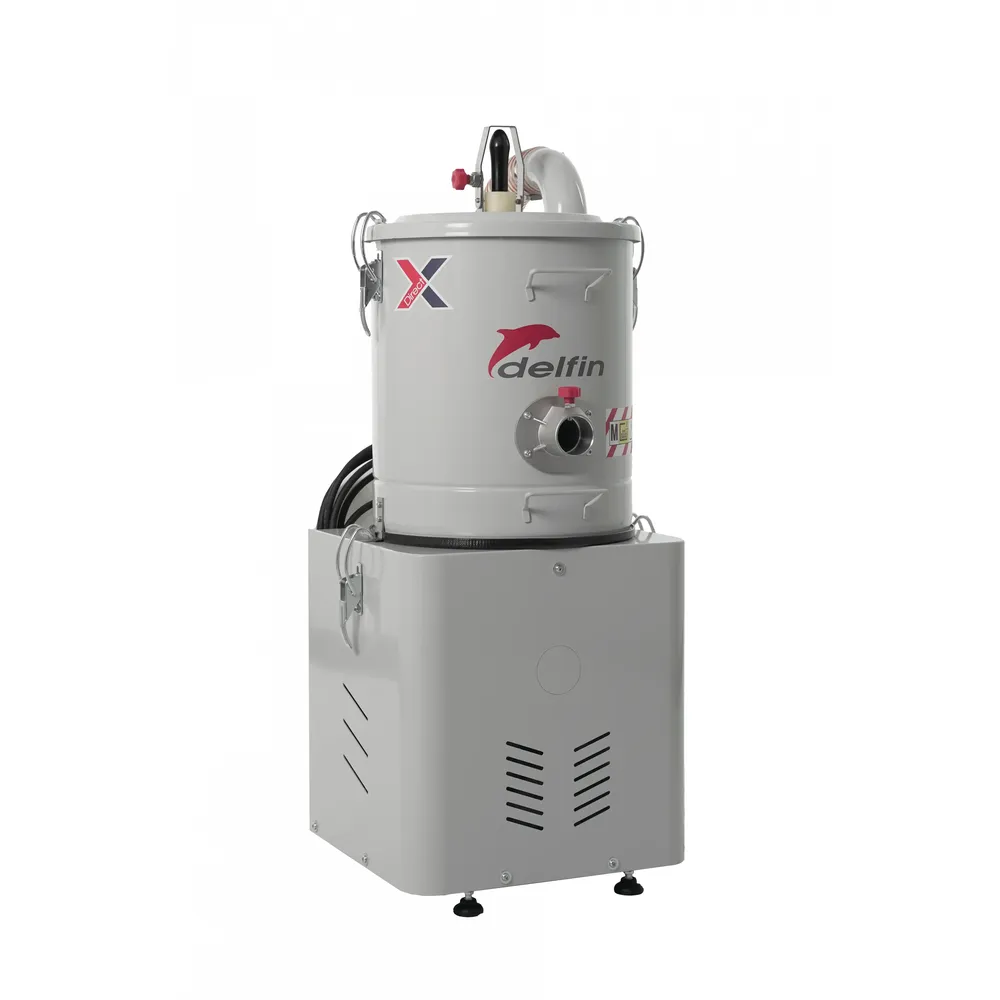
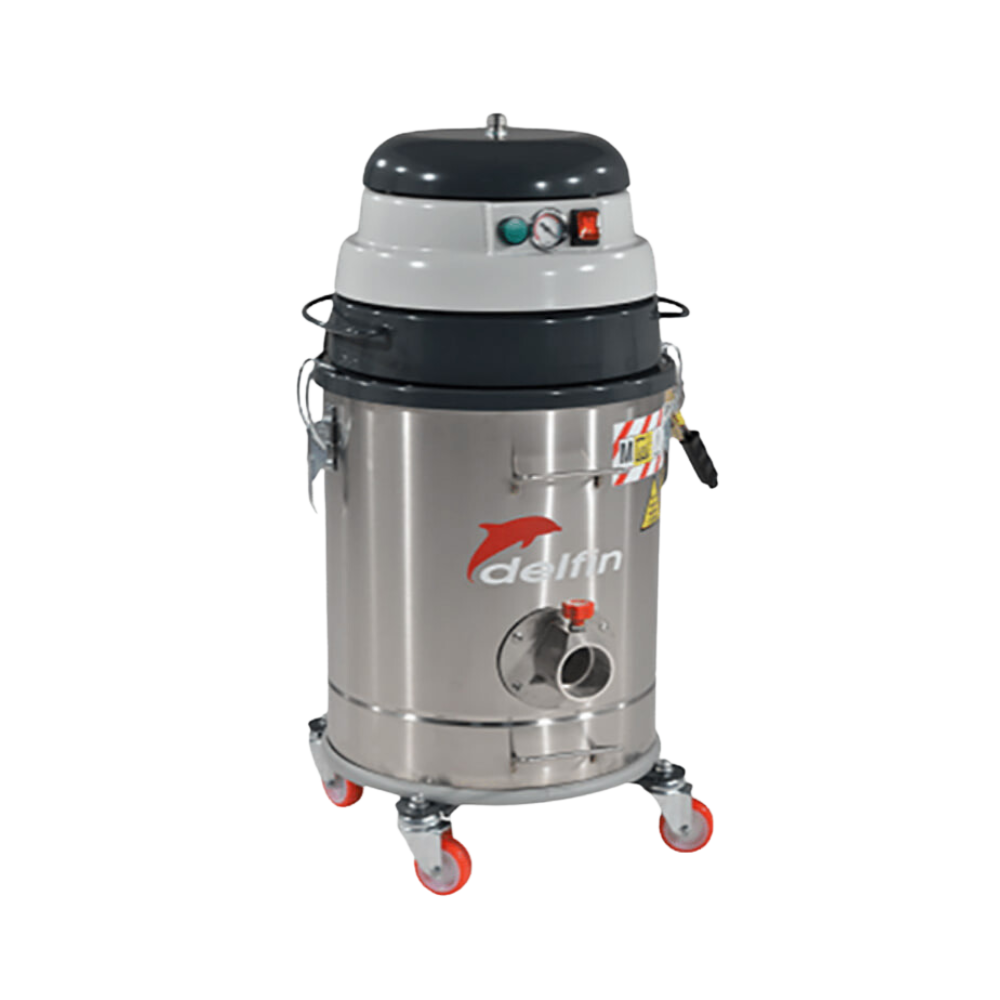
A strong candidate for this environment is the DBF-30, which includes HEPA filters and anti-static components for safe powder handling. It’s an ideal choice for everyday SLS maintenance in print labs and production facilities.
Metal 3D Printing Dangers: Combustion, Toxicity, and Containment
Metal 3D printing—whether done via Powder Bed Fusion (PBF), Binder Jetting, or Directed Energy Deposition (DED)—uses fine metallic powders like titanium, aluminum, stainless steel, or Inconel. These materials introduce some of the most severe risks in additive manufacturing.
Toxic Inhalation Risk: Metal powders, especially nickel-based alloys and titanium, are known to cause lung damage if inhaled. Fine particles can enter the bloodstream and accumulate over time.
Explosive Risk: In dust form, these materials can be highly explosive. Improper handling or lack of grounding can lead to ignition during cleaning or transfer.
Post-Processing Exposure: Even after a print is completed, residual powders often remain in the build chamber, on tools, or in the surrounding air—necessitating multiple rounds of cleanup.
To address these hazards, choose a vacuum with:
- Full compliance with ATEX and NFPA 484 standards
- Inertization chambers that flush oxygen with nitrogen or argon
- Grounded motors, conductive casings, and explosion-proof designs
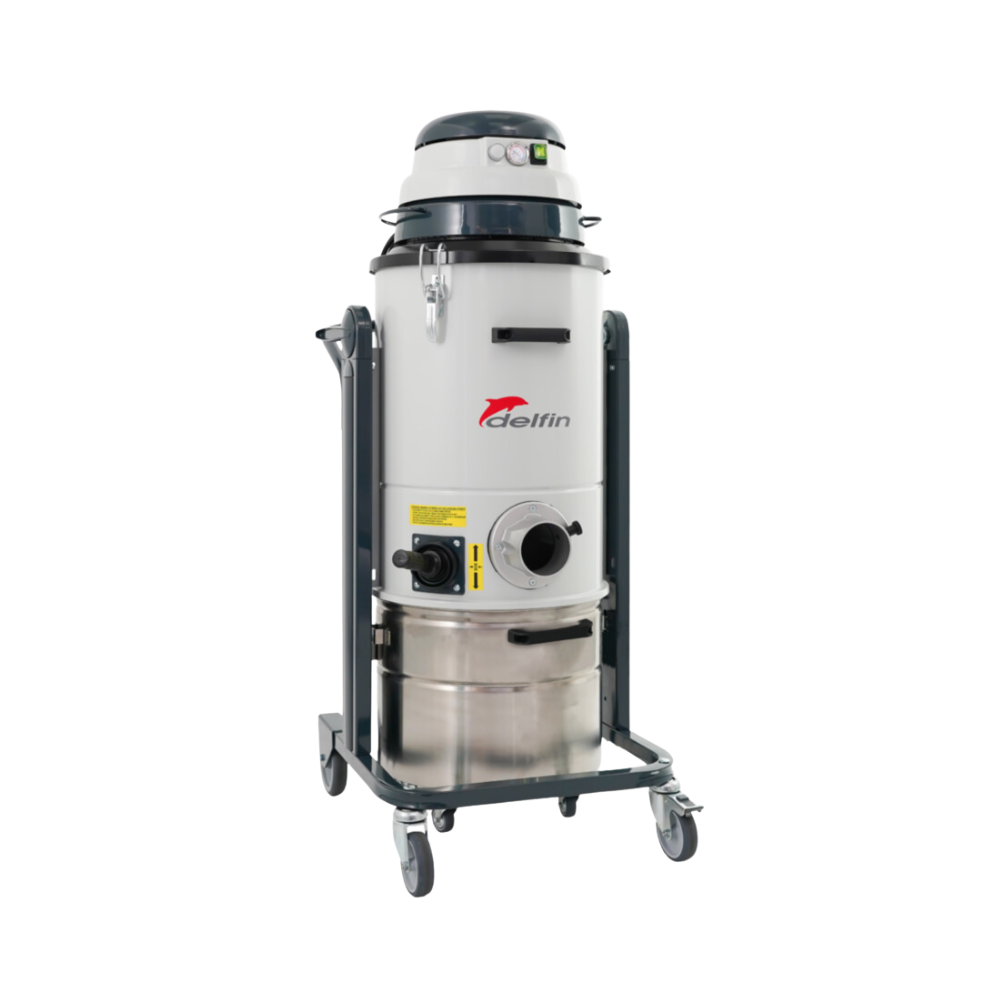
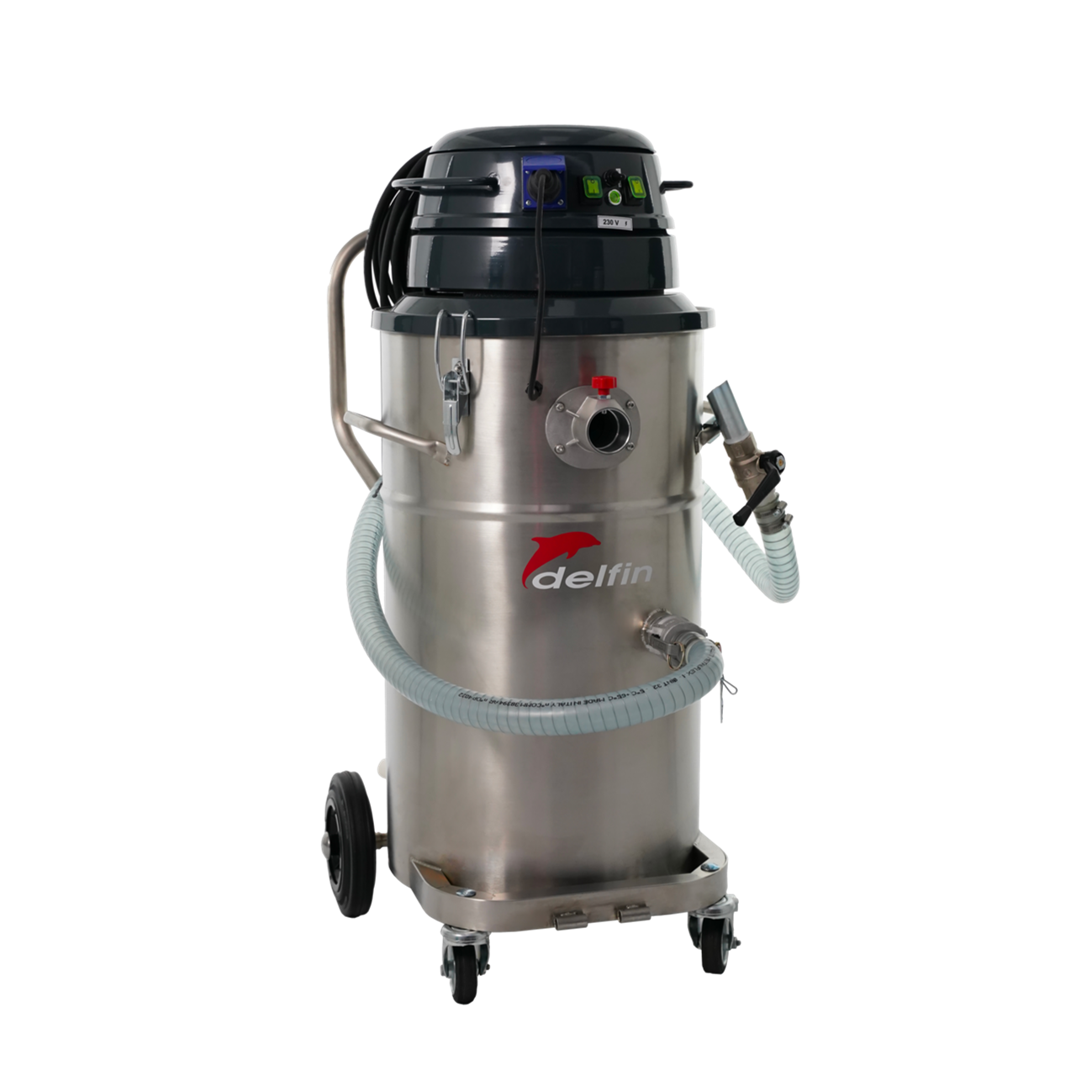
The Mistral 451 BL Inert Industrial vaccum is a top-tier solution offering inertization and full safety compliance. It’s one of the most advanced industrial vacuum systems available for metal 3D printing, designed to eliminate fire and explosion risks while ensuring safe powder collection and disposal.
-
Delfin Industrial Vacuum Cleaner For 3D Printing & Powder Applications
Ideal for reactive metal powders (Al, Ti, etc.) used in AM or lab.
Key Advantages of Using an Industrial Vacuum Cleaner
Investing in the right industrial vacuum cleaner is more than just a maintenance decision—it’s a strategic move that can improve safety, extend equipment life, and ensure regulatory compliance. Whether you’re working with SLS powders, or reactive metal particles, the benefits of using a vacuum designed specifically for additive manufacturing are significant and multifaceted.
Improved Operator Safety with Dust Containment and Proper Filtration
Industrial 3D printing environments often generate hazardous materials such as fine powders, toxic fumes, and volatile organic compounds (VOCs). An industrial vacuum equipped with HEPA and activated carbon filters ensures safe air quality by capturing ultrafine particles and harmful vapors. In facilities using combustible powders (like titanium or nylon), vacuums with anti-static components and grounded accessories prevent electrostatic discharge, significantly reducing the risk of explosion or respiratory illness for operators.
Increased Printer Uptime Due to Less Contamination and Fewer Mechanical Issues
Contaminants such as leftover stray powder, or metal shavings can interfere with a 3D printer’s mechanical and optical components. These particles, if not properly removed, may cause calibration errors, layer inconsistencies, or nozzle clogging. Using a specialized industrial vacuum cleaner helps maintain a clean print chamber and surrounding environment, allowing machines to operate at peak performance with minimal interruptions—ultimately translating to higher throughput and reduced downtime.
Reduced Maintenance Costs by Preventing Build-Up in Moving Parts
When particles accumulate inside moving mechanisms or ventilation ducts, they can lead to increased wear and tear, overheating, or premature failure. An industrial vacuum system helps prevent this build-up by thoroughly cleaning internal and external surfaces, extending the lifespan of printers, filters, and auxiliary equipment. This not only saves money on repairs and replacements but also improves operational efficiency by reducing the frequency of manual maintenance.
OSHA/NFPA Compliance to Avoid Violations and Legal Risks
Workplace safety regulations from organizations like OSHA (Occupational Safety and Health Administration) and NFPA (National Fire Protection Association) mandate proper handling of combustible dust, toxic fumes, and other hazardous materials. Industrial vacuums with explosion-proof ratings, grounding kits, and certified filtration systems help facilities meet these compliance standards, thereby avoiding costly fines, inspections, and potential liability in case of an incident.
Protection of Sensitive Sensors and Electronics in 3D Printers
Today’s advanced 3D printers rely on a network of precision sensors, laser optics, and high-performance electronics. These components are highly sensitive to dust, static discharge, and environmental fluctuations. Industrial vacuums designed for cleanroom or high-tech applications ensure these elements are shielded from particulate intrusion and electrical hazards, preserving their accuracy and reliability across long print cycles.
What to Look for: Core Selection Criteria
1. Material Compatibility
Every print medium has unique requirements:
- SLS Systems: Require anti-static vacuum hoses and fine-particle filters.
- Metal Printing: Needs industrial vacuum cleaners that are conductive, explosion-proof, and support inert gas integration.
The DBF-30 industrial vacuum cleaner is ideal for general powder vacuuming with robust HEPA filtration and anti-static features.
-
MTL 802 WD
The MISTRAL 802 WXP is a liquid remediation vacuum for flooding applications
-
DBF 30
The DBFV line is a range of powerful industrial vacuum cleaners specifically designed to be integrated into production machines and...
3. Explosion Protection and Grounding
Combustible dust incidents can be catastrophic. That’s why your industrial vacuums should comply with:
- ATEX directives (for explosive atmospheres)
- NFPA 484 (combustible metals)
- OSHA dust standards
Look for:
- Grounded hoses and conductive wheels
- Sealed containers for safe powder handling
- Inertization options (nitrogen or argon)
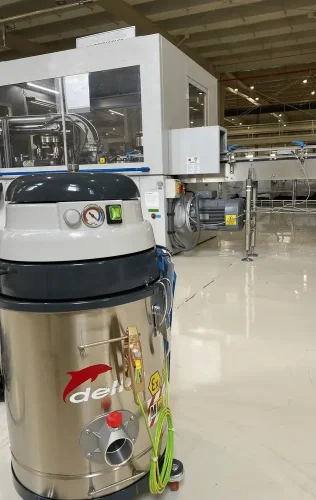
The Mistral 451 BL Inert industrial vacuum meets these criteria with a fully integrated inert gas flushing system.
-
Delfin Industrial Vacuum Cleaner For 3D Printing & Powder Applications
Ideal for reactive metal powders (Al, Ti, etc.) used in AM or lab.
4. Collection and Disposal
Disposal shouldn’t expose your team to secondary contamination.
Best practices:
- Use vacuums with disposable bag liners or sealed bins
- Choose units with smooth internal walls to reduce powder retention
- Select vacuums with sealed motors to prevent failure from conductive particles
We recommend the Delfin Mistral 300 BL D2 industral vacuum for metal powder disposal thanks to its built-in dust ignition protection.
-
Delfin MISTRAL 300 BL D2
One-of-a-kind vacuum. Ideal for combustible powders.
$4,462Read More
5. Portability and Ergonomics
Don’t overlook mobility. Whether you need a rentable industrial vacuum for temporary projects or a day-to-day cleaner, consider:
- Industrial backpack vacuums for tight spaces
- Wheeled vacuums for flexible use in shared spaces
- Cordless systems for large facilities with limited outlets
Backpack vacuums are especially useful for post-processing rooms or quick cleans between shifts.
6. Automation and Power Options
Modern 3D printing environments may include robotic arms or smart automation systems. Choose an industrial robot vacuum if you want:
- Remote operation capability
- Smart factory integration (IoT-compatible)
- Continuous runtime via centralized vacuum systems
Battery-powered models like PRO HEPA 10 industrial vacuum work well for dynamic shop floors needing mobility and quick recharging.
Should You Rent or Buy?
If your production volumes fluctuate or you’re launching a pilot project, consider renting an industrial vacuum before purchasing.
Rent an industrial vacuum when:
- You’re testing new materials
- You have event-based or seasonal production
- You want to try different features before long-term commitment
Industrial vacuum rental options offer affordability and operational flexibility—perfect for growing manufacturers.
Best Practices for Operation and Maintenance
A top-tier vacuum can only perform well if properly maintained.
- Inspect grounding wires, seals, and hose integrity weekly
- Empty and clean bins after every shift
- Replace filters on schedule—never skip HEPA checks
- Train employees on how to safely operate the vacuum
- Store vacuums in dry, non-corrosive environments
This ensures your industrial vacuum cleaners provide peak performance and protect your staff long-term.
Conclusion: Match the Vacuum to the Workflow
No two additive manufacturing operations are the same. Whether you’re printing dental implants or aerospace brackets in Inconel, there’s no one-size-fits-all solution.
By choosing the right industrial vacuum—whether it’s an industrial backpack vacuum, industrial robot vacuum, or rentable industrial vacuum—you’re investing in safety, quality, and efficiency.
Let Additive Plus help you find the perfect match. Explore our curated collection of industrial vacuum cleaners, or contact our experts for tailored recommendations.