Best PLA Filament to Start With: A Beginner’s Guide to Choosing the Right Material
If you’re stepping into the exciting world of 3D printing for the first time, one of your earliest decisions will be choosing the right type of filament to use. With so many materials available, it can feel overwhelming to know where to start. Luckily, PLA (Polylactic Acid) is the go-to choice for most beginners, and for good reason.
This guide aims to walk you through everything you need to know about PLA filament: what it is, why it’s ideal for new users, how it compares to other materials like ABS, and most importantly, how to pick the best PLA filament to start with. By the end of this guide, you’ll have a clear understanding of how to select, use, and maintain PLA filament for successful and enjoyable 3D printing projects.
Why Choosing the Right PLA Filament Matters
1. What Is PLA Filament?
-
FDM 3D Printing – Cost-Effective Plastic Parts
Affordable and versatile 3D printing for prototypes, functional parts, and end-use plastic components.
PLA, or Polylactic Acid, is a biodegradable thermoplastic made from renewable resources like corn starch and sugarcane. It’s one of the most commonly used materials in desktop 3D printing due to its low cost, ease of use, and environmental friendliness.
Key Properties:
- Biodegradable: Unlike petroleum-based plastics, PLA breaks down under industrial composting conditions.
- Low-warp: Prints tend to hold their shape without lifting or curling at the edges.
- Low odor: Emits a sweet, mild smell during printing, making it more pleasant for indoor use.
- Prints at low temperatures: Typically between 180–220°C, which makes it suitable for a wide range of consumer 3D printers.
Compared to other materials like ABS and PETG, PLA offers greater dimensional stability and fewer printing complications. While ABS may offer higher strength and heat resistance, it requires a heated bed and enclosed print chamber to reduce warping and emits fumes during printing. For beginners, PLA is far more forgiving and user-friendly.
2. Why PLA Is Ideal for Beginners
There are several reasons why PLA is considered the best starting point for anyone new to 3D printing. First and foremost, it is compatible with almost all FDM/FFF 3D printers. Whether you own a budget printer or a premium desktop model, PLA will likely work right out of the box.
Secondly, PLA’s lower printing temperature means it’s less demanding on your printer’s components. You don’t need a heated bed to print it, although using one can improve bed adhesion. This makes PLA a good choice for basic printers or kits.
PLA is also known for its reliability and predictability. Prints come out with excellent surface quality, fine details, and minimal need for post-processing. If you’re just starting out and want quick wins and satisfying results, PLA is your best bet.
Finally, PLA is safe for home and educational environments. It produces minimal fumes and is considered non-toxic. Unlike ABS, which releases strong-smelling and potentially harmful emissions, PLA allows you to print comfortably in enclosed spaces.
3. Factors to Consider When Choosing PLA Filament
Not all PLA filaments are created equal. When selecting the best PLA filament for your needs, consider the following factors:
Filament Diameter
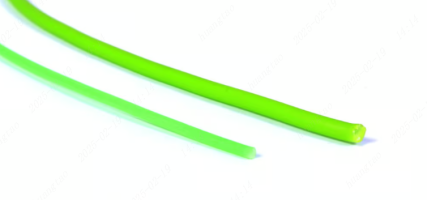
Most consumer 3D printers use 1.75mm diameter filament, but some use 2.85mm. Always check your printer specifications before purchasing. Uniform diameter is crucial for smooth extrusion, so look for filaments with tight tolerances (usually within ±0.02mm).
Color and Finish
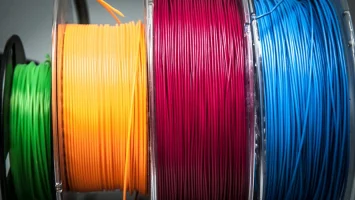
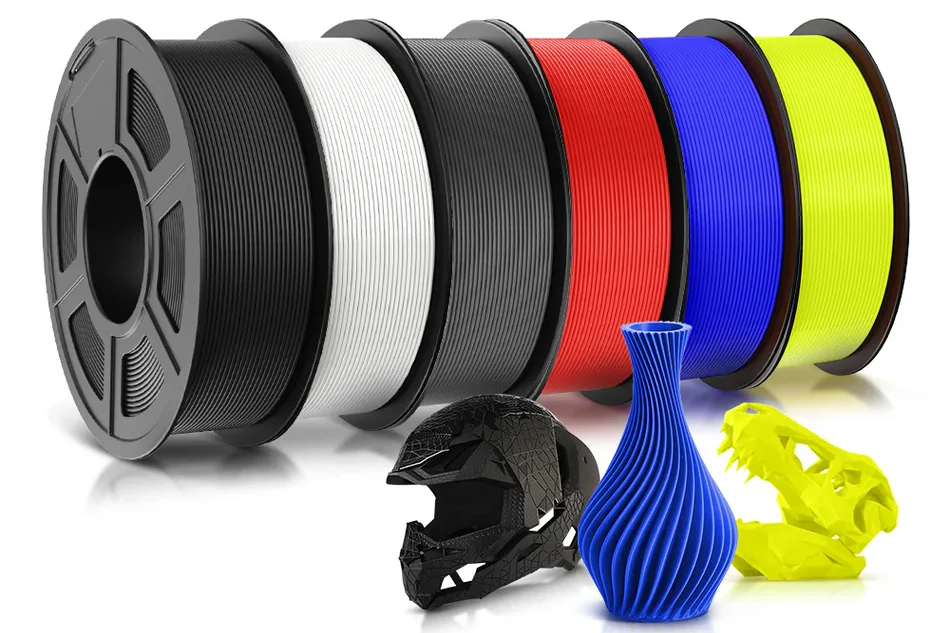
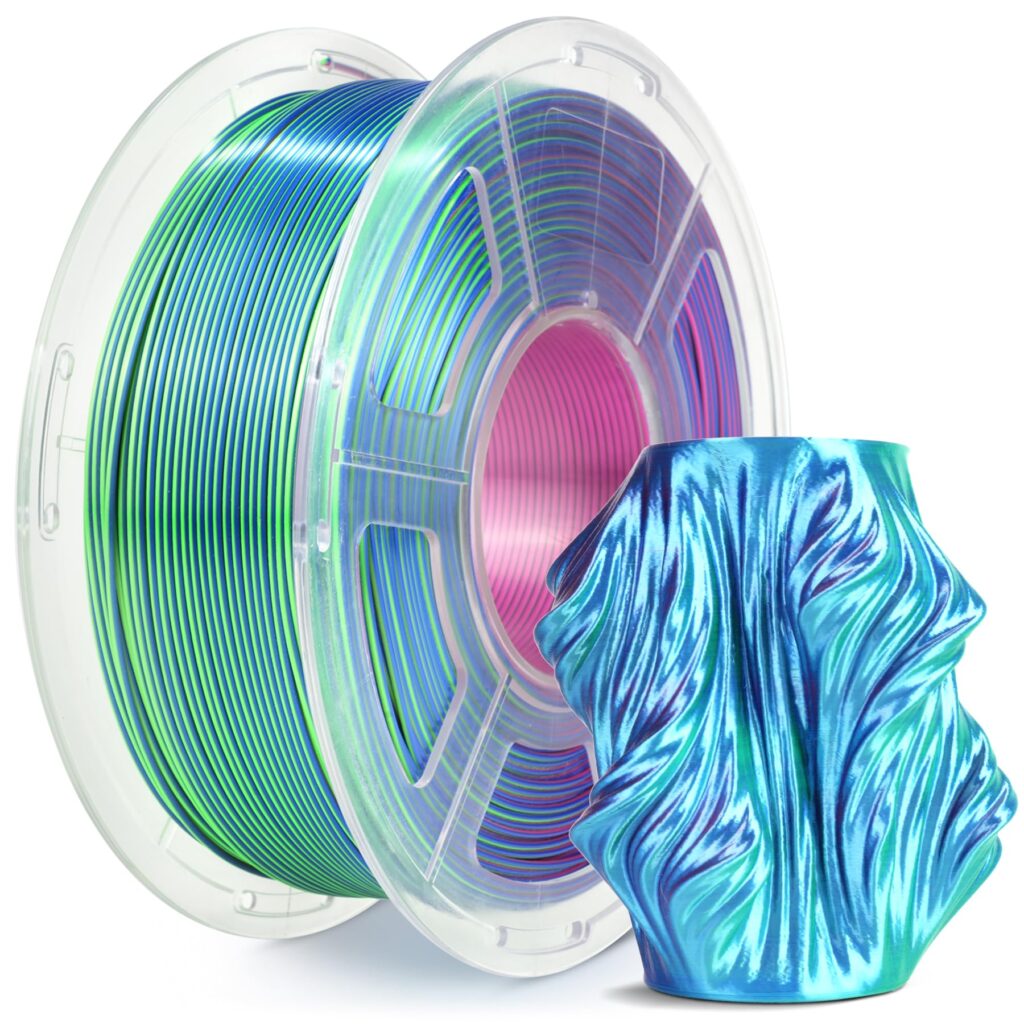
PLA comes in a wide variety of colors and finishes. You can choose from standard solid colors, transparent, silk, metallic, glow-in-the-dark, and more. The finish you choose should depend on your project’s goal. For example, silk PLA is great for visual appeal, while matte PLA can give a more professional look.
Tolerance and Roundness
Inconsistent filament can lead to clogs and under-extrusion. Reputable brands provide detailed specs about their manufacturing tolerances. Look for PLA that guarantees consistent roundness and tight diameter tolerance.
Spool Weight and Packaging
PLA is usually sold in 500g or 1kg spools. Some brands offer larger sizes for high-volume users. Filament should come vacuum-sealed with a desiccant to prevent moisture absorption, which can degrade print quality.
Brand Reputation
Stick with brands that are well-known and have positive reviews. Companies that invest in quality control and offer customer support are more likely to deliver consistent, high-quality PLA.
4. Top PLA Filament Brands for Beginners
Hatchbox PLA
Hatchbox is often recommended for beginners due to its affordability and consistent quality. It’s widely available and performs reliably on a range of printers. While it can be brittle, it prints with minimal stringing and good surface finish.
eSUN PLA+
eSUN’s PLA+ is a step up from standard PLA, offering greater strength and flexibility. It prints smoothly and with fewer issues like warping or layer separation. It’s slightly more expensive but worth it for the added durability.
Pursement PLA
Made by Prusa Research, this premium PLA is produced with high manufacturing standards. It features a tight diameter tolerance of ±0.02mm and excellent batch tracking. If you’re aiming for top-tier prints, Prusament is a solid choice.
MatterHackers Build Series PLA
MatterHackers offers a reliable, budget-friendly PLA in their Build Series. It’s optimized for consistent printing and minimal fuss. While it may lack the bells and whistles of premium filaments, it’s a great starting point.
Polymaker PolyLite PLA
PolyLite is known for combining high quality with reasonable pricing. It’s made with precision and care, ensuring consistent prints. It’s a fantastic option for beginners who don’t want to sacrifice quality for affordability.
5. Tips for Getting the Best Results with PLA
PLA is relatively easy to print with, but following a few best practices can make a big difference:
Ideal Print Settings
- Nozzle Temperature: 190–205°C (brand-dependent)
- Bed Temperature: 50–60°C (optional but helps with adhesion)
- Print Speed: 40–60mm/s
Bed Adhesion
Use blue painter’s tape, PEI sheets, or glue sticks to help prints stick to the bed. A well-leveled bed and clean surface are crucial for successful first layers.
Storage and Drying
PLA absorbs moisture, which can lead to stringing, bubbling, and poor print quality. Store it in airtight containers with silica gel packs. If it does get wet, you can dry it in a filament dryer or oven at low heat (45–50°C) for a few hours.
Avoiding Common Mistakes
Many beginners print too fast or with incorrect temperatures. Always check the filament packaging for brand-specific recommendations and start with a test print before launching a full project.
6. Eco-Friendly & Specialty PLA Options
PLA is already a sustainable choice, but several eco-friendly and specialty options are also available:
Specialty PLA Types
- Silk PLA: Glossy, smooth, ideal for display pieces
- Wood-fill PLA: Contains real wood fibers, great for rustic aesthetics
- Glow-in-the-dark PLA: Fun for creative and decorative items
Recycled and Sustainable PLA
Some manufacturers offer PLA made from recycled materials. These filaments can reduce your environmental footprint while still delivering strong results.
Are these good for beginners? Yes, most specialty PLA blends are just as easy to print as standard PLA. However, wood-fill and metal-fill variants may require larger nozzles or slower speeds.
7. FAQ
Is PLA filament food-safe?
While PLA is made from food-safe materials, most 3D printers aren’t food-safe due to contaminants and potential bacterial growth. Use food-safe coatings if printing kitchenware.
How long does PLA last?
PLA prints can last several years indoors but are not suitable for outdoor use as they degrade in sunlight and moisture over time.
Can you paint or post-process PLA?
Yes. PLA can be sanded, primed, and painted. It’s also compatible with epoxy coatings for a glossy or protective finish.
What's the difference between PLA and PLA+?
PLA+ includes additives to increase strength, reduce brittleness, and improve heat resistance. It’s still beginner-friendly but slightly more robust.
3D Printer Filament PLA vs ABS
PLA is easier to print, less toxic, and better for details. ABS is more durable and heat-resistant but harder to work with due to warping and fumes. Beginners should start with PLA.
8. Final Recommendations
Looking for the best PLA filament to start with? Begin with a trusted brand like Hatchbox or eSUN PLA+. If you’re ready to invest in premium quality, Prusament and Polymaker are excellent choices.
Consider buying starter bundles that include multiple colors or even samplers of ABS 3D printer filament for later experimentation. These kits often come with handy accessories and are a great way to explore different options.
Conclusion
Choosing the right filament sets the tone for your 3D printing experience. PLA is hands down the best filament for beginners due to its ease of use, safety, and wide compatibility. With the tips and recommendations in this guide, you’re now equipped to make an informed decision and kick off your 3D printing journey with confidence.
Explore our full range of 3D printing PLA filament, ABS 3D filament, and beginner-friendly materials at Additive Plus today!
Related Posts
If you're stepping into the exciting world of 3D printing for the first time, one…