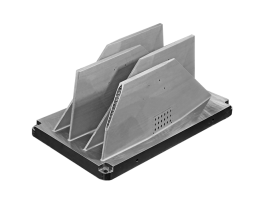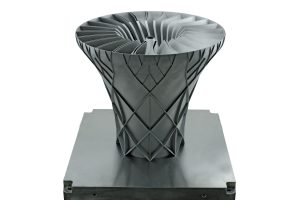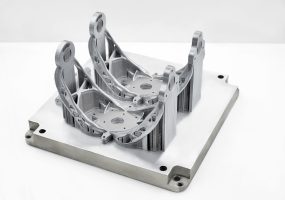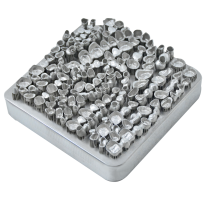
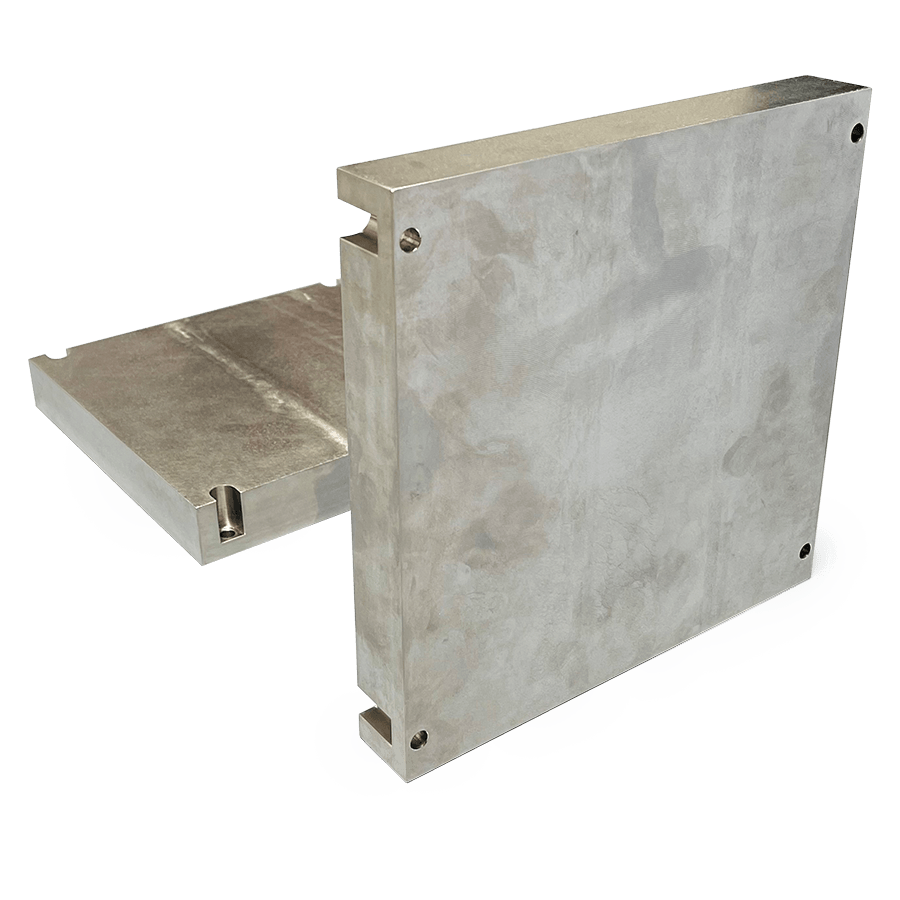
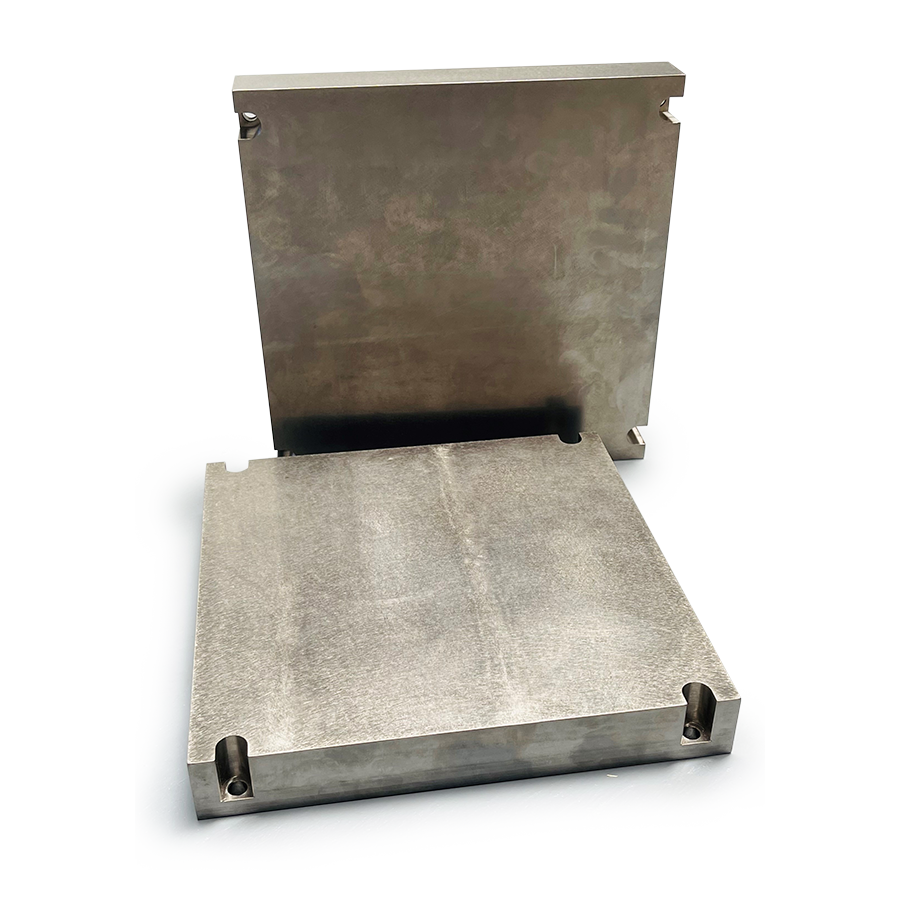
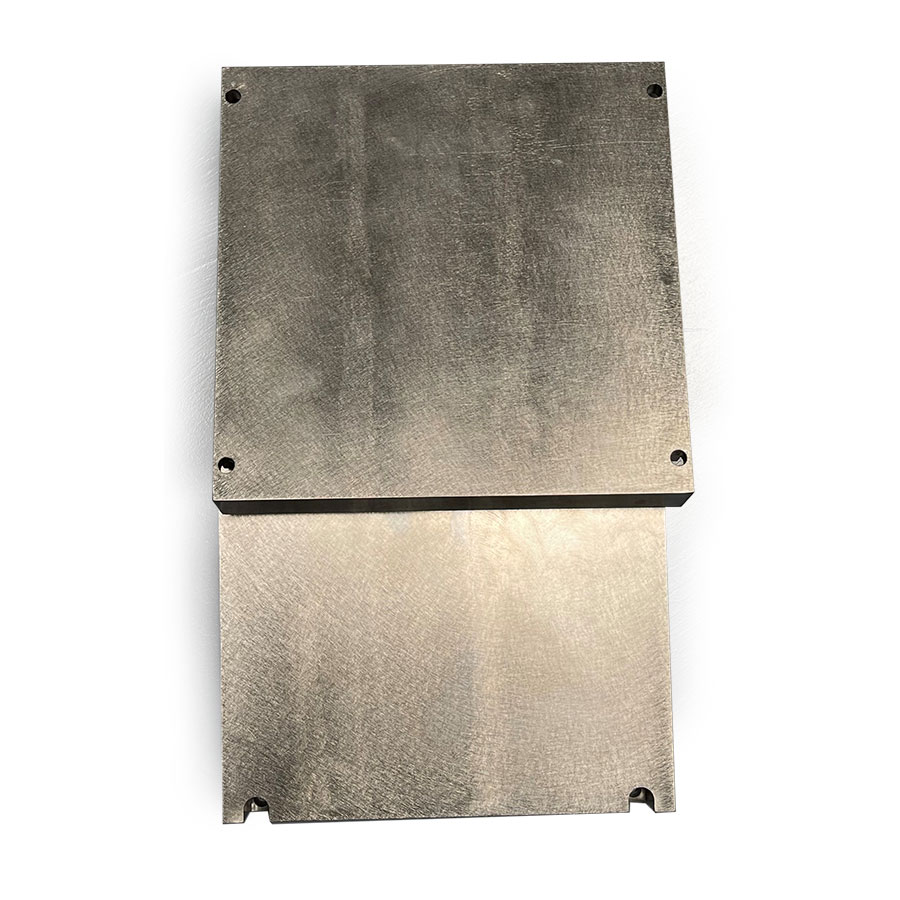
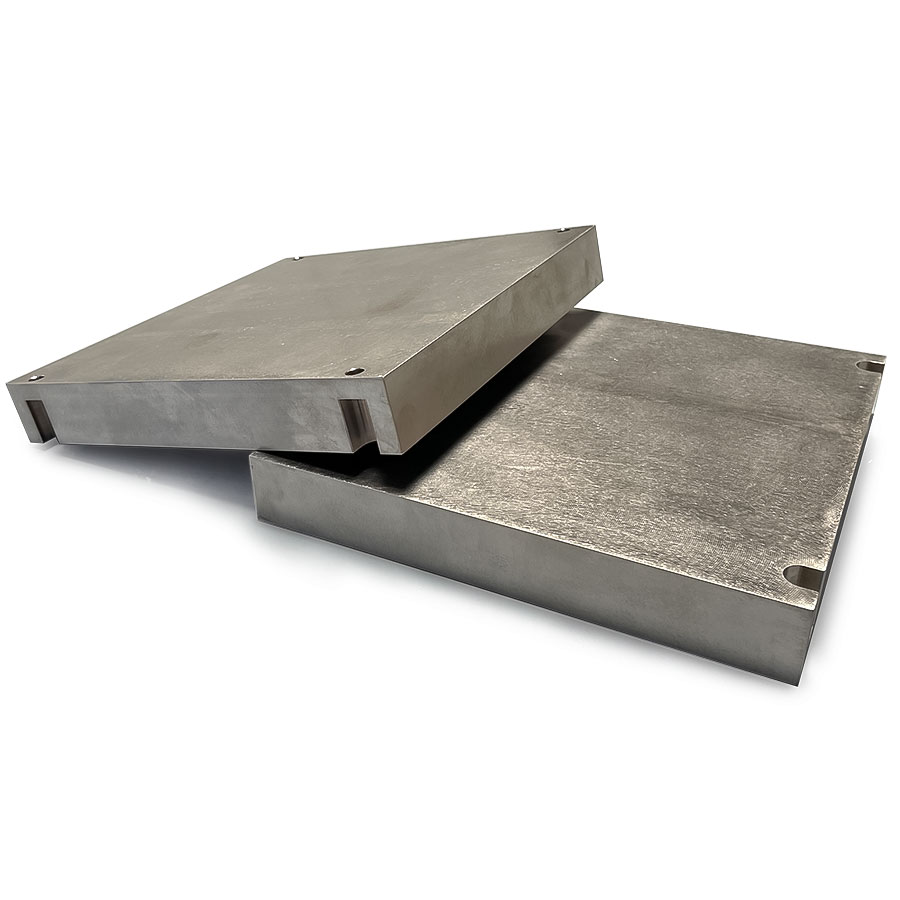
HIPed Build Plate – Ti64
$1,350
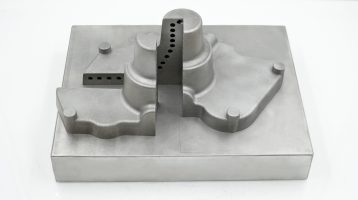
High quality build plates are an essential element of the additive manufacturing process, which ensures inherent stability required to deliver quality components.

Other materials available upon request.
- Description
- Details
- Materials
- Documents
- Videos
- Review
Description
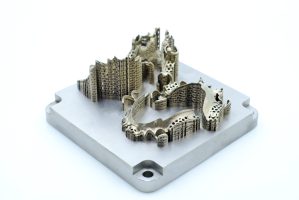
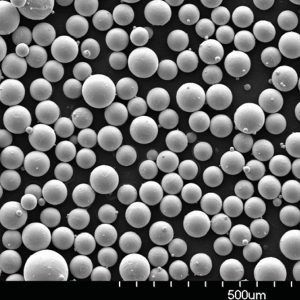
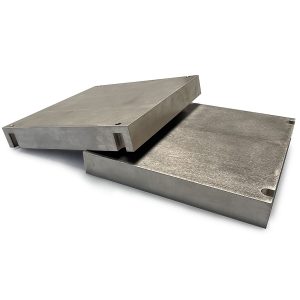
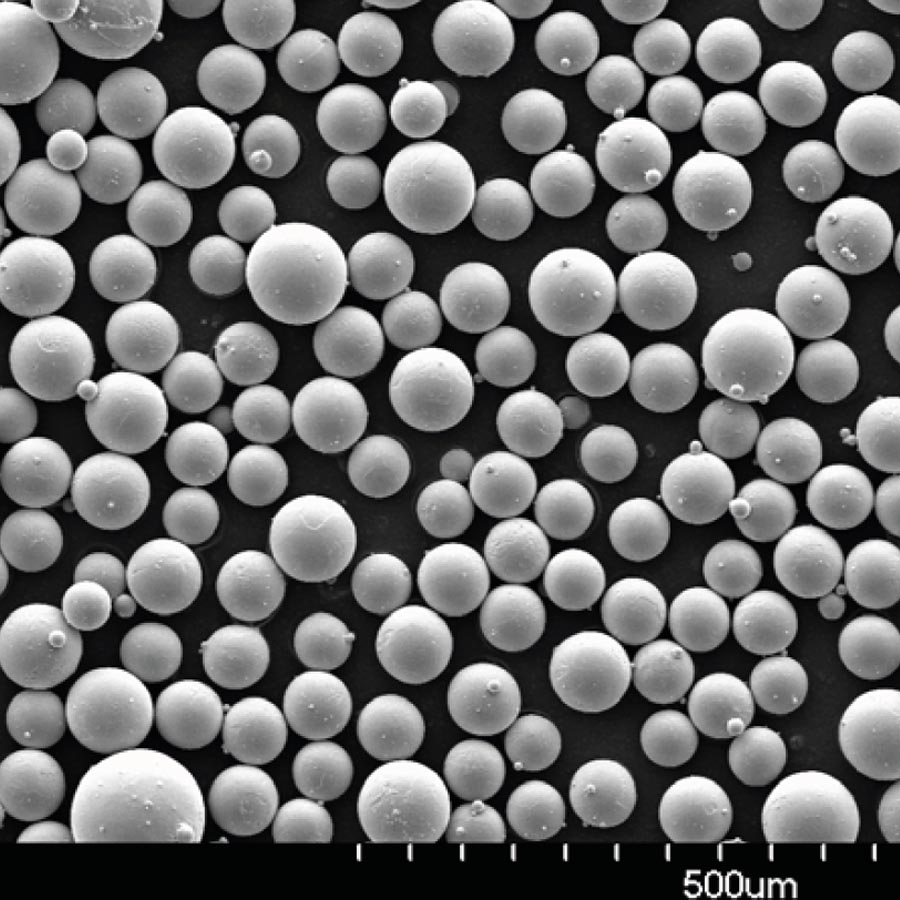
HIPed Build plates are produced via powder metallurgy and hot isostatic pressing and comply with AMS 4994A.
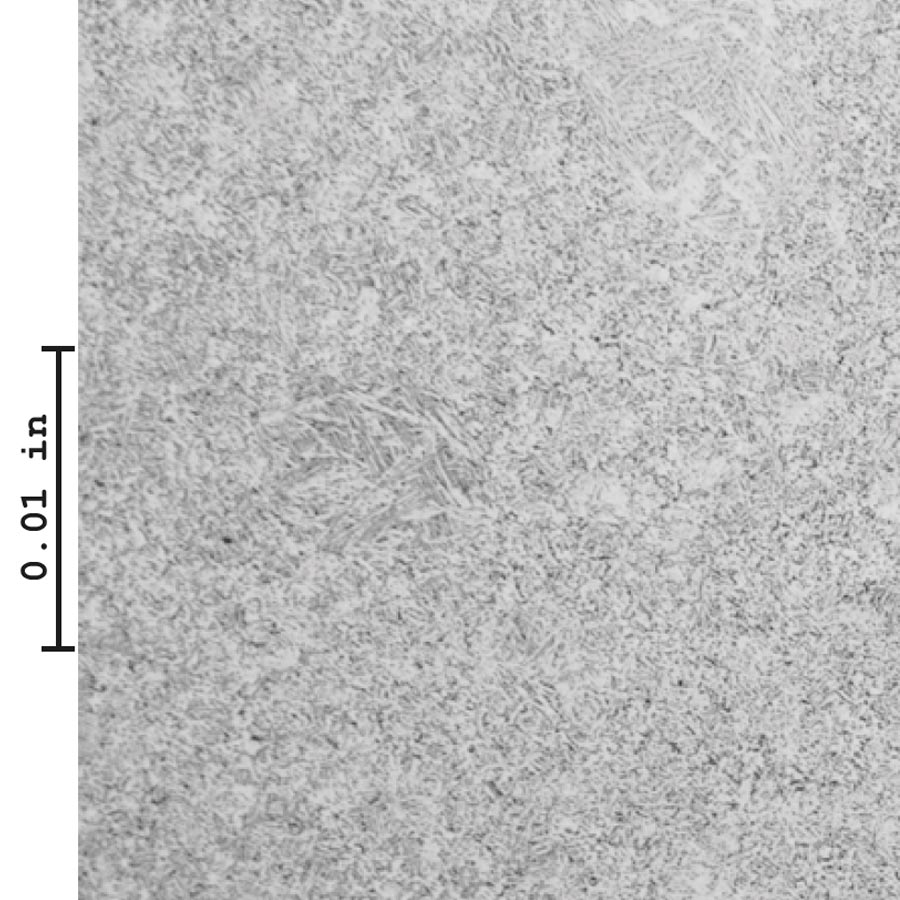
They are 100% dense with fine-grain microstructure to establish minimized warping during the additive manufacturing process.
ADVANCED SOLUTION FOR EVERY CUSTOMER
A+ metal build plates with their inherent anisotropy provide a number of technical advantages over the rolled plates:
- Improved uniformity and homogeneity: no distortion from the plate during printing (selective heating resulting in the increased precision of the printed parts)
Significantly fewer restrictions when positioning built parts to their surface: easy to print
Increased lifespan (up to 10 times longer than the standard metal build plates) due to uniformity and customized thikness options availiable
No Alpha case inclusions and films: performs better as a heat sink (does not reflect the heat)
Country of Origin – USA, CA
APPLICATIONS
MEDICAL INDUSTRY
AIRCRAFT ENGINEERING
POWER ENGINEERING
AUTOMOTIVE
DENSITY
PRECISION TOOLS
LARGE-SIZED PLATES
Our manufacturing capabilities allow us to produce large-sized (up to 600×600 mm / 23.6 х 23.6 in) plates to keep up with advanced printers.
Custom thickness
Rectangular billets of the cross section can also be HIPed, so that the plates can be saw cut to the necessary thickness.
Tailor-made sizes and shapes
Square, ring, circular, other.
wide range of powders
Ti6Al4V Grade 5, Ti6Al4V Grade 23, Cp Ti Grade 2, IN 625, IN 718
or your powders
Build plates can also be manufactured from customer’s “over-spec and over-used” powders
hiped powder
Produce from your HIPed powder.
WE ALSO OFFER: MACHINE-TO-PRINT BUILD PLATES
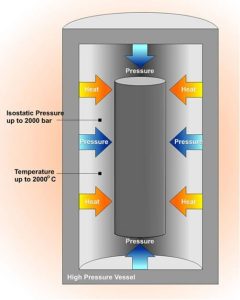
Hot isostatic pressing (HIP)
Hot isostatic pressing (HIP) is a materials fabrication process in which a starting powder or a remolded shape is simultaneously subjected to both high temperatures and high isostatic pressures, using a gas transfer medium.
This technique has developed from an invention conceived before the 1960s, used initially for the primary purpose of fabricating clad nuclear fuel elements and referred to as “gas pressure bonding”.
Today, it is employed for a broad range of metallic and nonmetallic materials. The three most common industrial applications are post densification of cemented carbides, sintering of specialty steels and the healing of super alloy and titanium castings.
- Brand Additive Plus
- Country of origin USA
- Material IN625, IN718, Cp-Ti Grade 2, Ti-6AI-4V 23, Ti-6Al-4V Grade 5
Materials
- IN625
- IN718
- Cp-Ti Grade 2
- Ti-6AI-4V 23
- Ti-6Al-4V Grade 5
Documents
Videos
Similar products