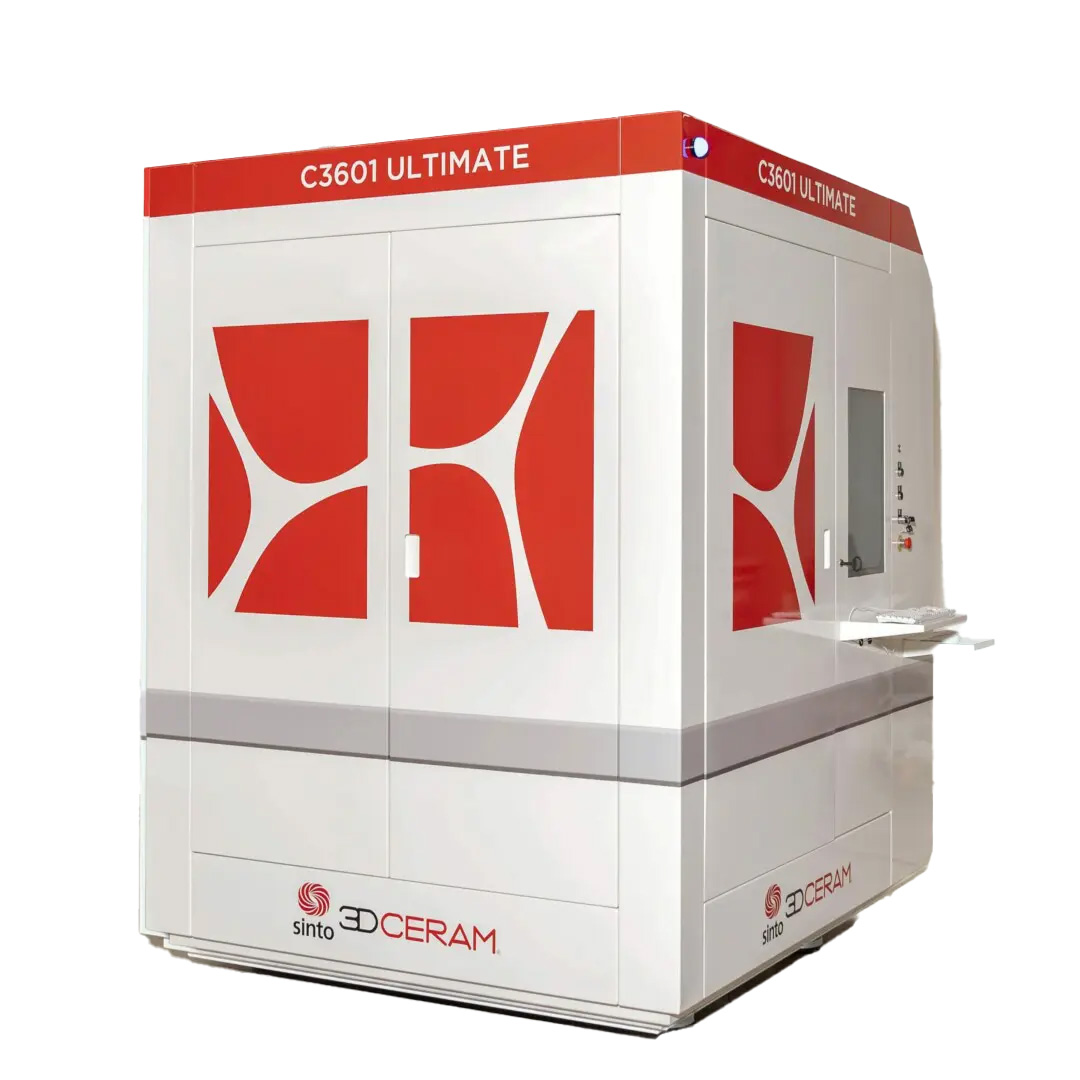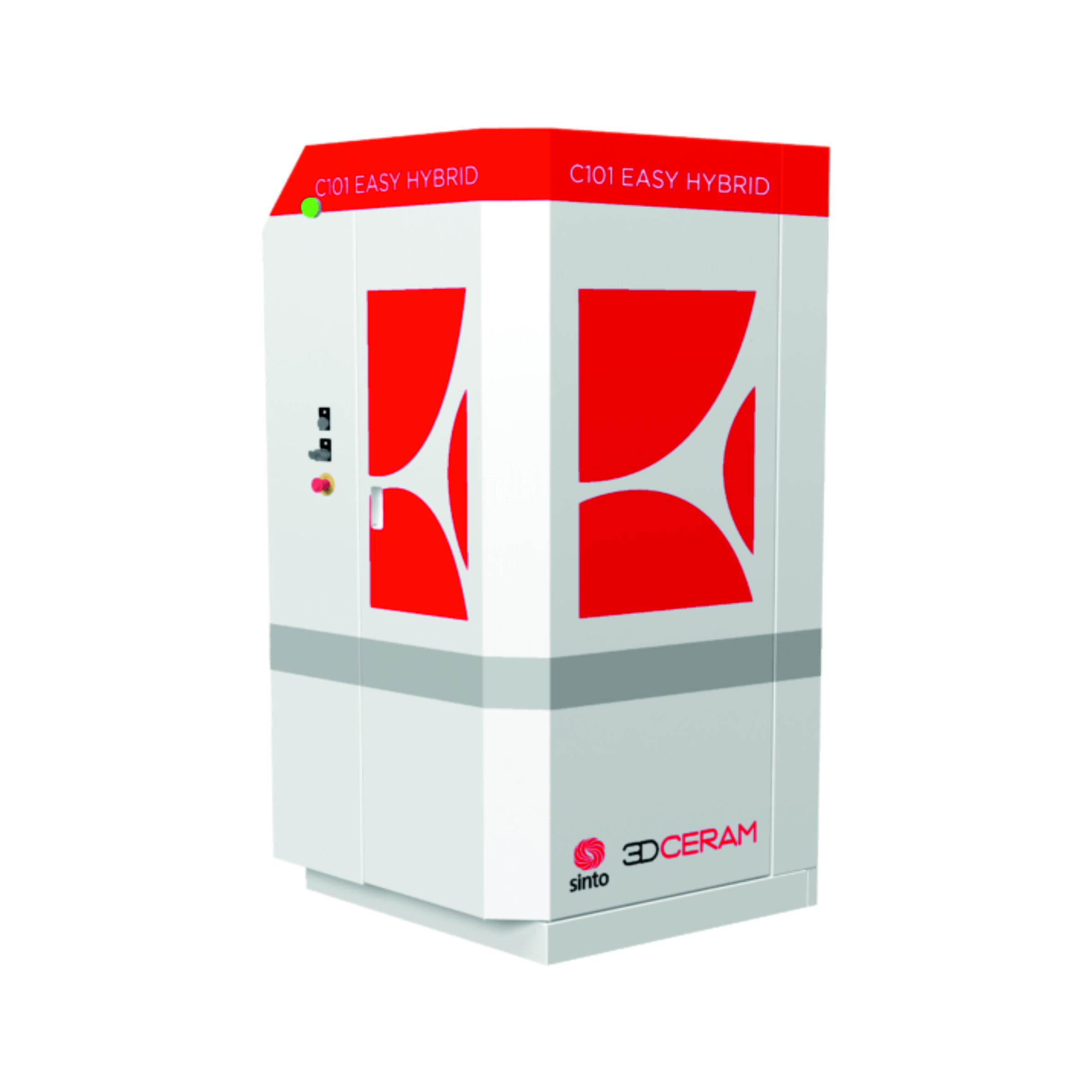
C101 HYBRID
The 3D printer to develop & prototype then scale up on the C3601 HYBRID.
-
Technology:
CERAMIC SLA
-
Materials:
Ceramic Pastes
- Description
- Details
- Materials
- Documents
- Videos
- Review
Description
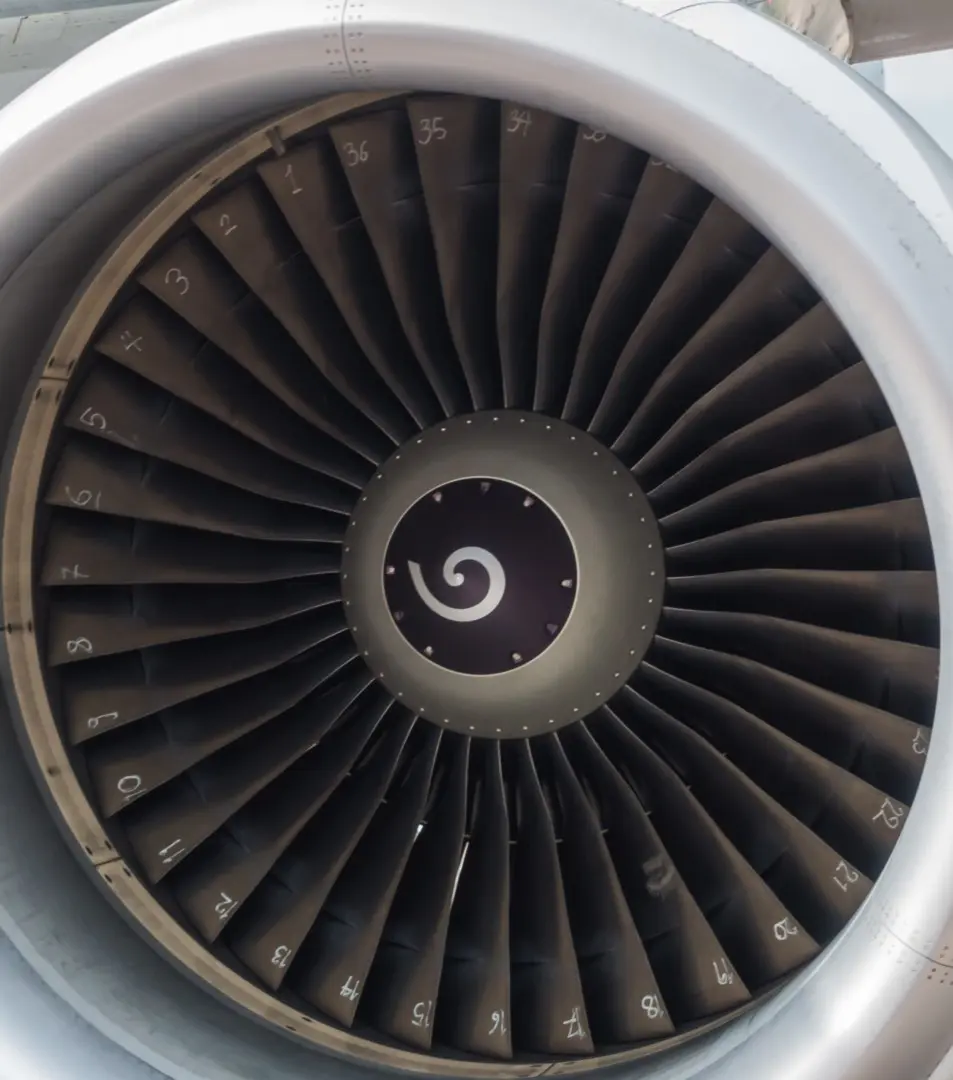
 Owing to their exceptional physicochemical properties, including excellent corrosion resistance and electrical insulation, ceramic materials for 3D printing are a significant breakthrough for the aerospace industry, which continually seeks new technological advancements, lighter weight, and shorter development timelines. In this context, ceramics are utilized to enhance the performance of advanced space equipment, such as satellites, measurement devices, optical instruments, and more.
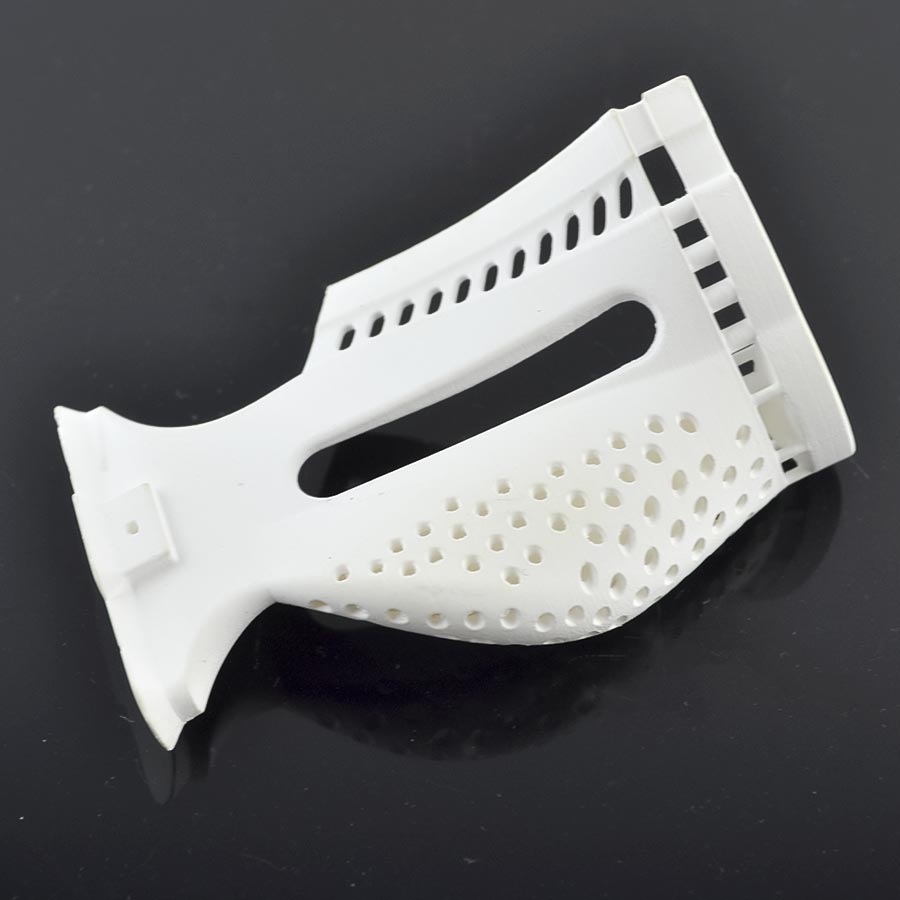
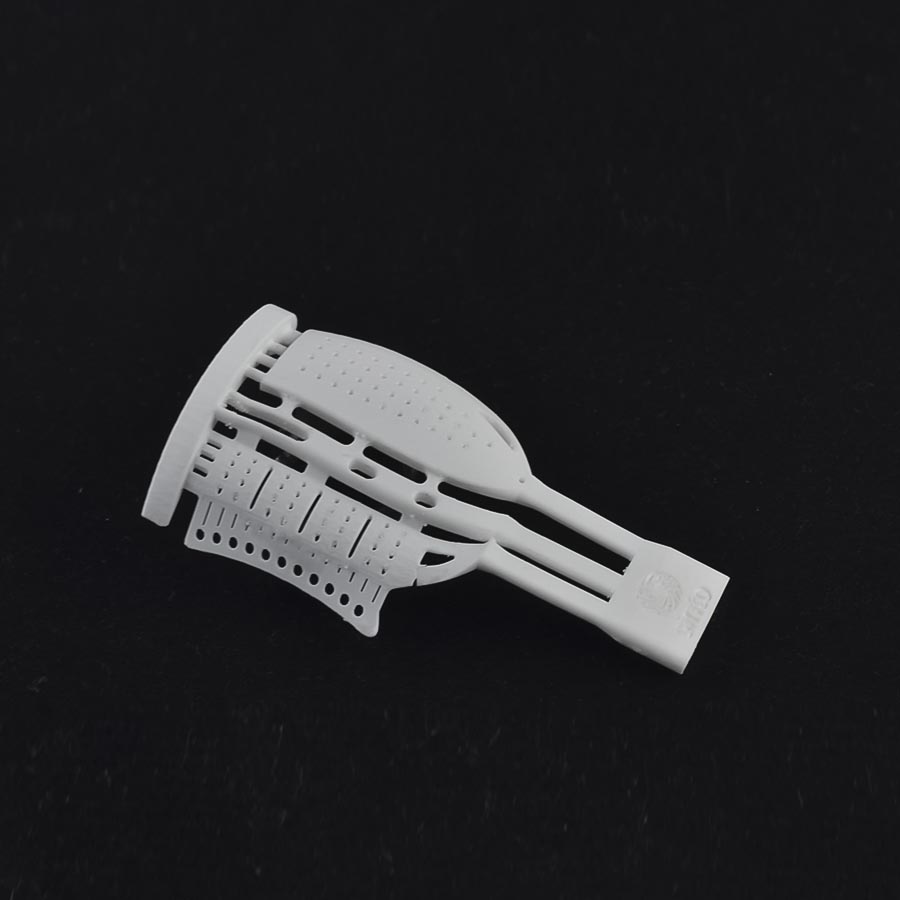
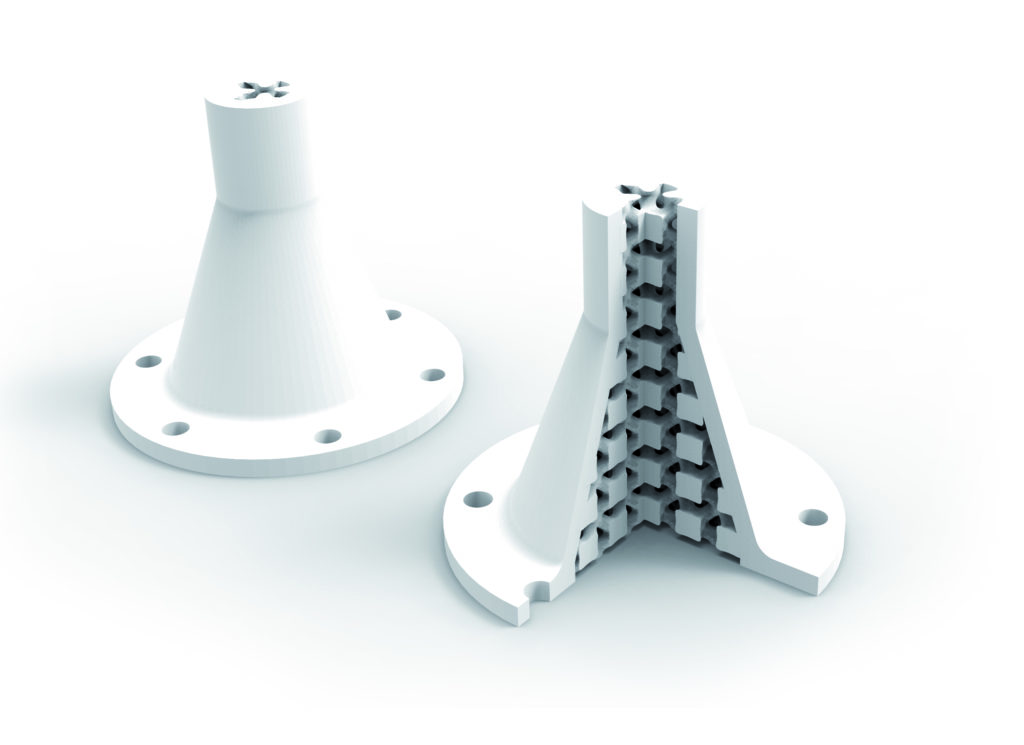
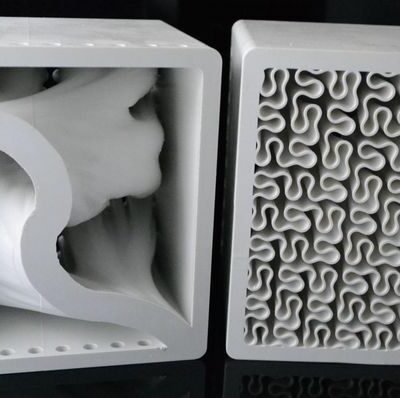
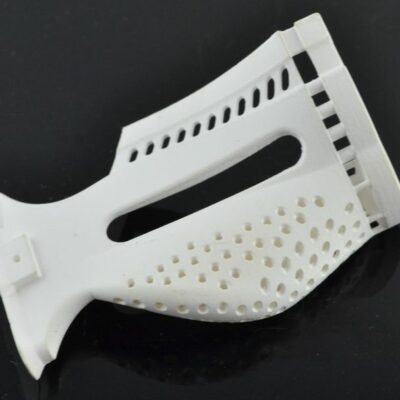
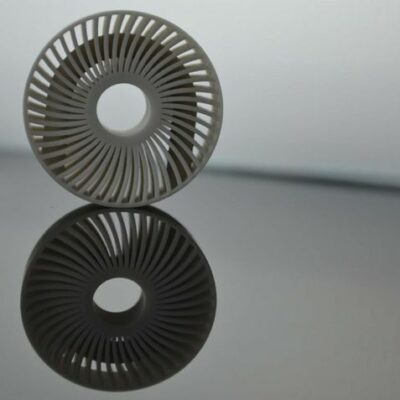
 Foundry cores play a crucial role in the manufacturing of turbine blades for both aviation and land-based gas turbines. There is currently a growing demand for complex core designs driven by the need for smaller, more efficient, and cost-effective engines that operate at higher temperatures. 3DCeram has developed an optimized method for producing ceramic foundry cores that offers significant advantages over traditional techniques, including reduced build times while improving the cost-per-core ratio.
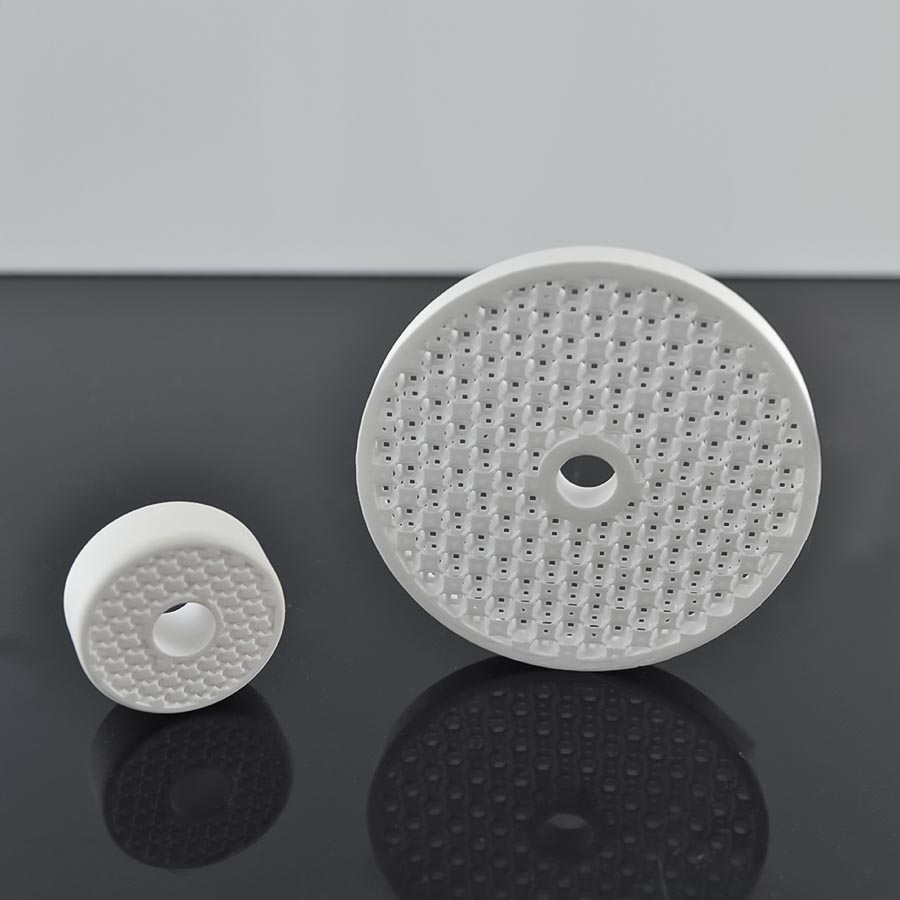
The requirements for core production encompass high dimensional accuracy, adequate structural strength, appropriate surface roughness, and controlled material porosity. These parameters can be effectively managed through ceramic 3D printing. In addition to saving time and boosting productivity, this approach offers design flexibility, improved responsiveness, consistent quality of the produced cores, and increased profitability for manufacturers.
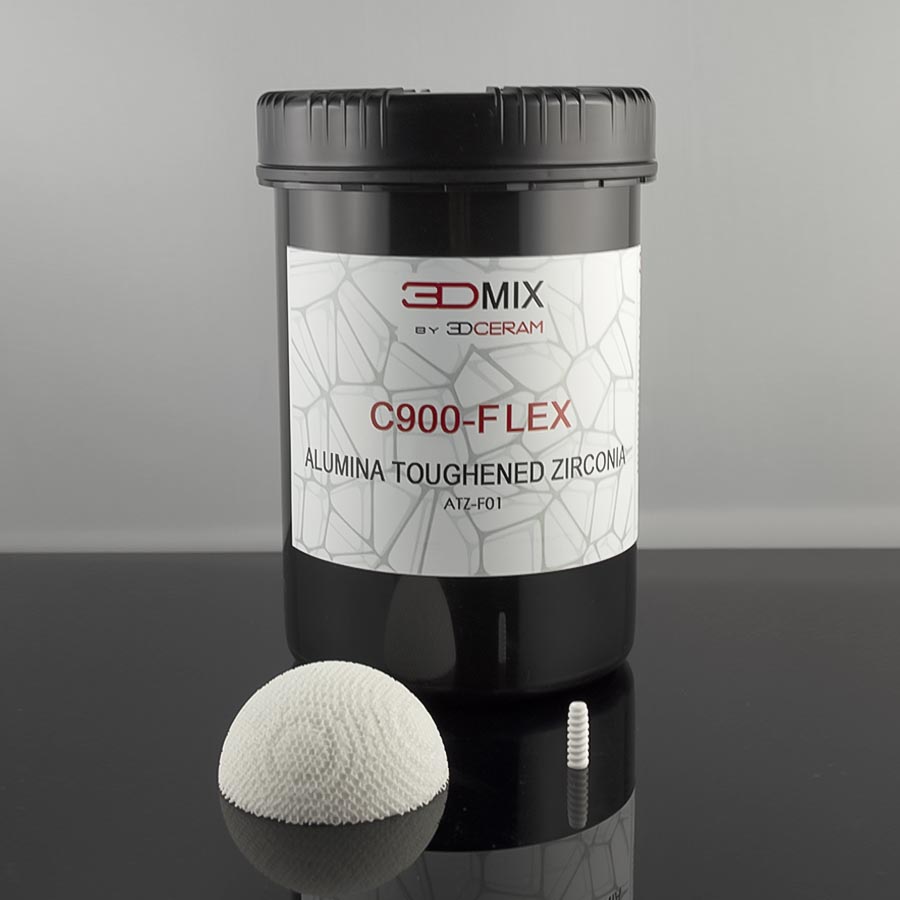
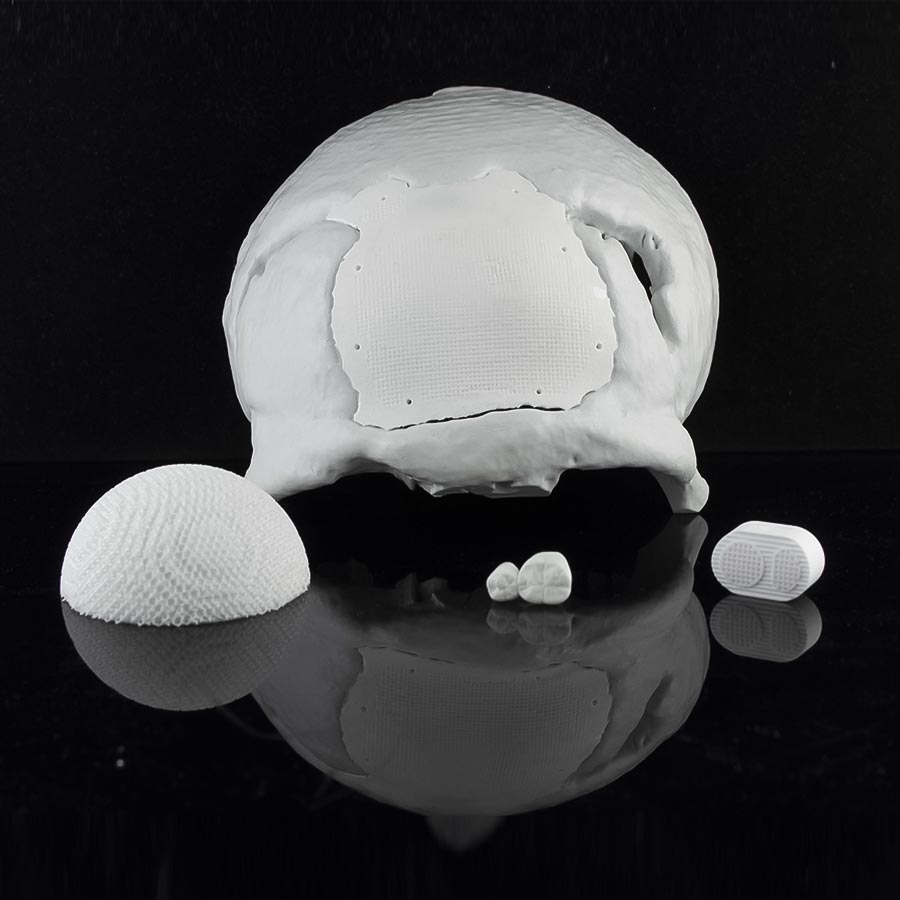
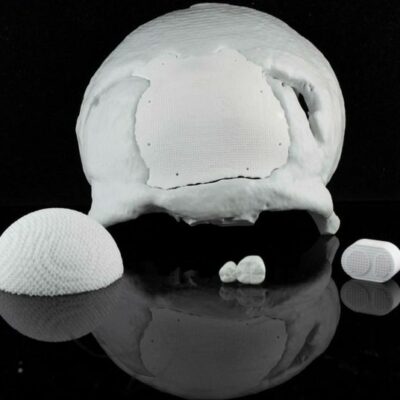
 Since 2005, 3DCeram has been at the forefront of developing advanced biomedical solutions. Throughout the years, the company has achieved a level of expertise that fully addresses the needs of the medical field. With a diverse array of ceramic 3D printers and specialized biocompatible materials, 3DCeram possesses all the essential supply chain certifications to implement its innovative technologies across various sectors, including dental, orthopedic, maxillofacial, and plastic surgery.
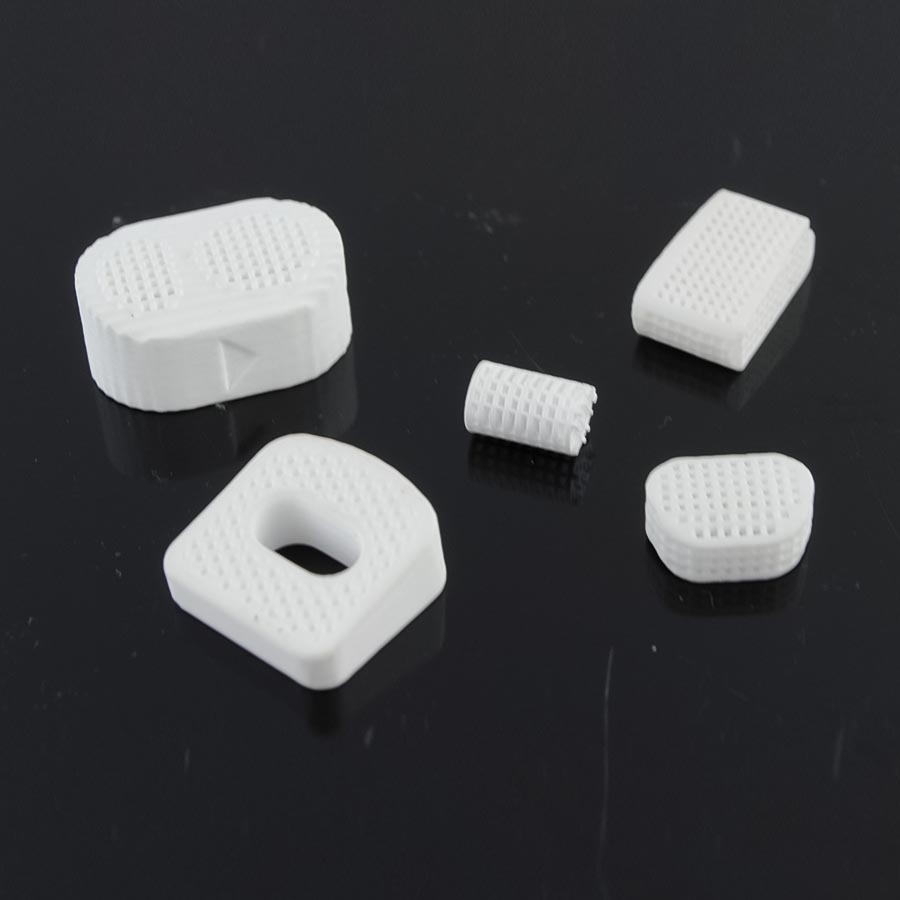
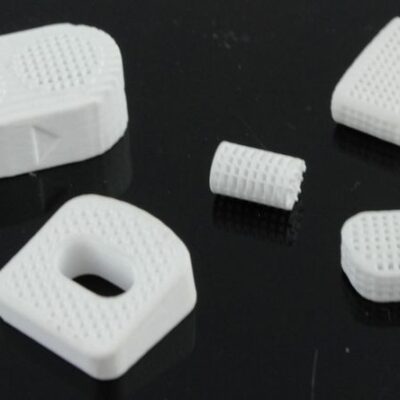
The company is well-known for producing small batches of bone substitutes, such as intervertebral cages and tibial osteotomy wedges, as well as cranial and jawbone implants. Additive manufacturing allows professionals to precisely control the porosity of these ceramic substitutes. Additionally, 3DCeram has created a unique SLA-based technology called BioCranium, which facilitates the production of custom bioceramic implants.
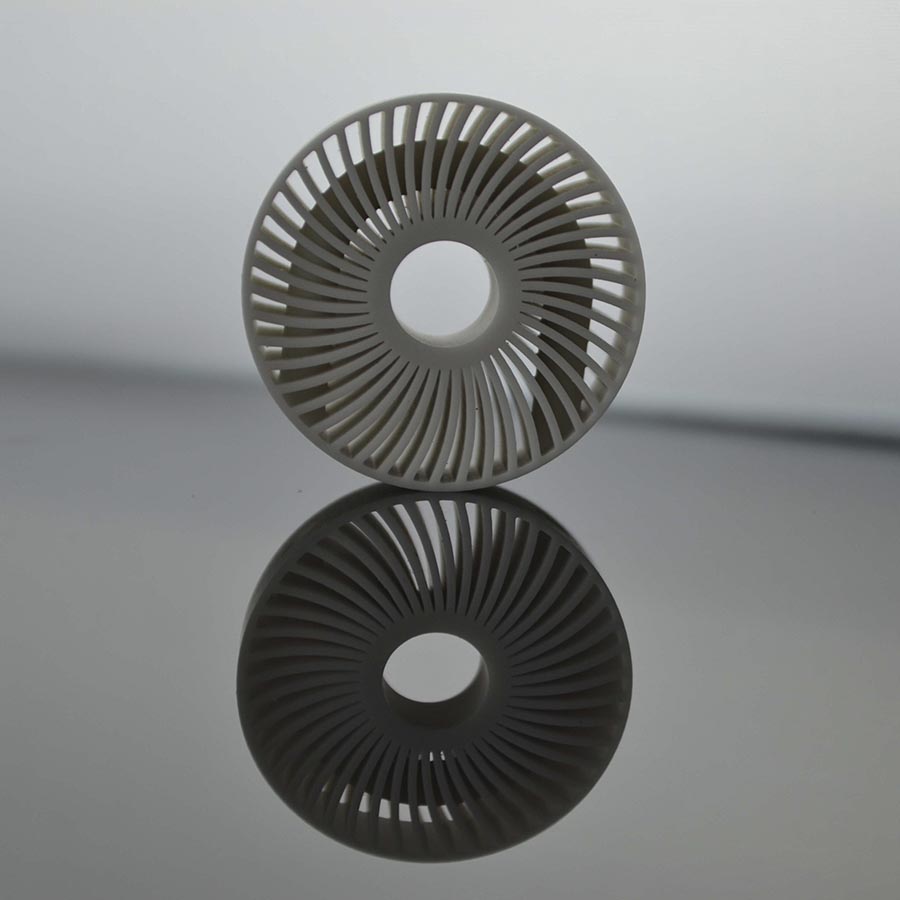
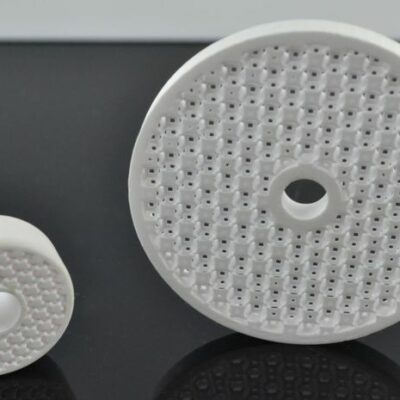
 Different industrial sectors are increasingly leveraging the distinctive mechanical, electrical, thermal, and chemical properties of technical ceramic materials. 3DCeram’s additive manufacturing technology is gaining traction in areas such as chemistry, oil and gas, water treatment, electronics, automotive, and more.
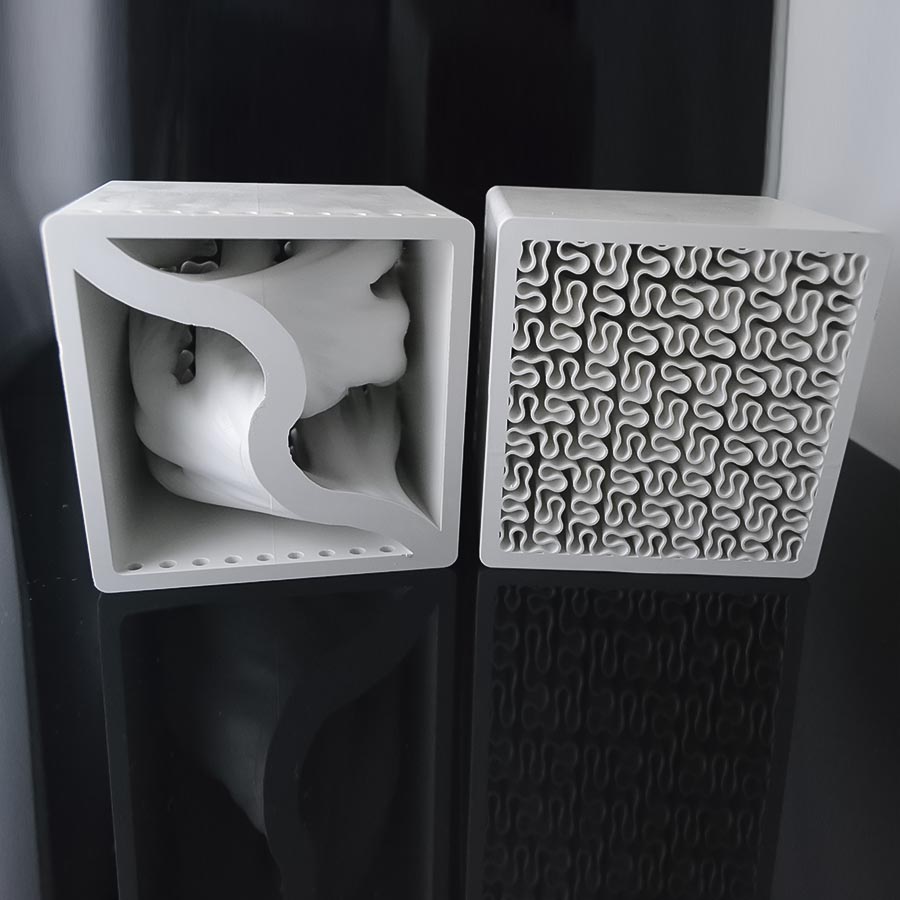
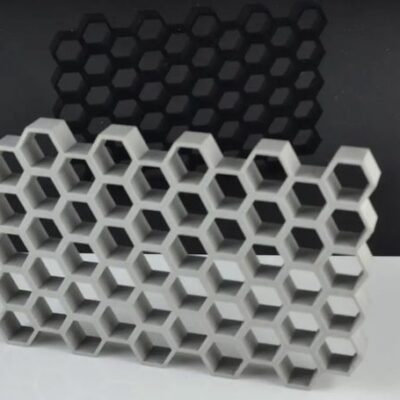
Ceramic 3D printing streamlines the creation of intricate components that traditional equipment and methods cannot achieve. It minimizes downtime and removes the necessity for costly tooling, which is especially crucial for contemporary businesses and small-scale production. Furthermore, the adaptable design options facilitate rapid and mold-free manufacturing of functional parts.
 The resistance and diverse properties of ceramic materials—including mechanical, magnetic, thermal, chemical, and electrical characteristics—make them suitable for applications that endure high stress in challenging environments. Similarly, 3DCeram’s highly functional and dependable additive manufacturing machines are contributing to the increasing demand for ceramic 3D printing in research conducted by major research groups and universities.
- Brand 3DCeram
- Country of origin France
- Weight 600 kg
- Dimensions 1020 x 1005 x 1976 mm (LxPxH) / 40.16 x 39.57 x 77.8 in (LxPxH)
- Build Volume 3.9×3.9×5.9 in / 100×100×150 mm
- Layer thickness 0,010-0,125 mm
- Light source UV Laser
- UV Wavelength 405 nm
- Laser spot diameter ~ 60 μm
- Electrical requirements 220-240 VAC / 50Hz
- Power Consumption 2 kW
- Optimum indoor operation temperature 20-25 °C, 68-77°F
- Maximum room temperature variation 1°C/hour
- Relative humidity 50%
- Compressed air 6 bars dry
- Hybrid option Available
- Client Operating System Web Dashboard
- Warranty 12 months
- Technology CERAMIC SLA
- Printing Materials Ceramic Pastes
Documents

Videos