Skip to content

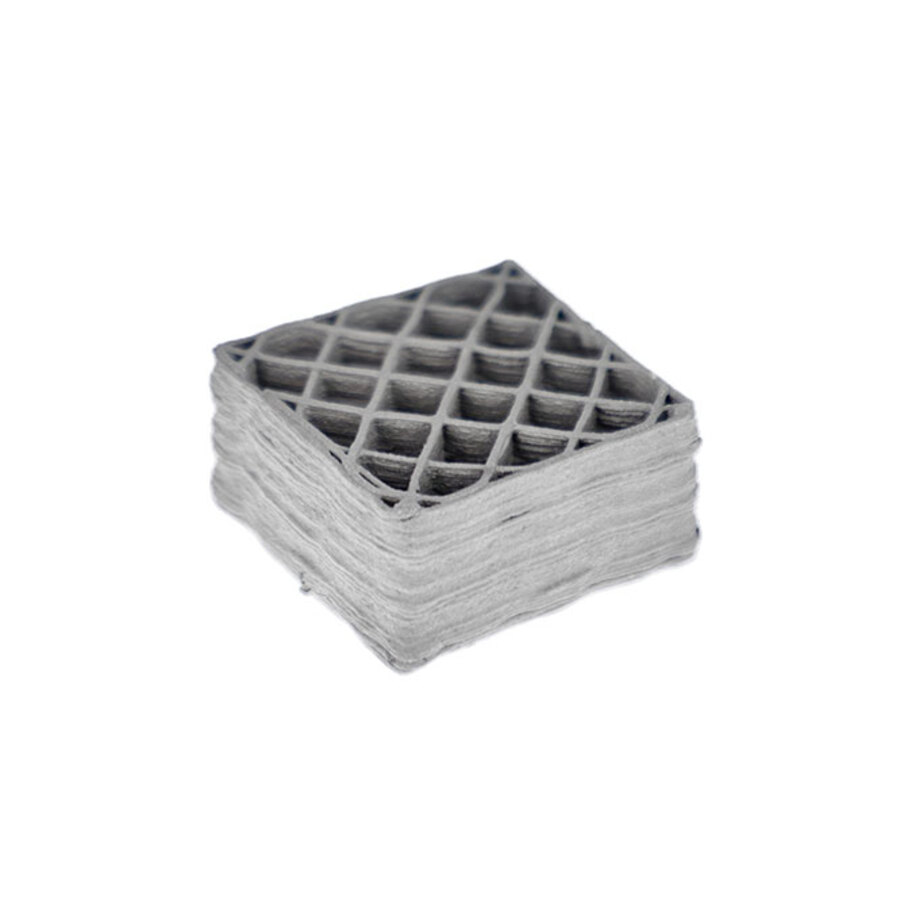
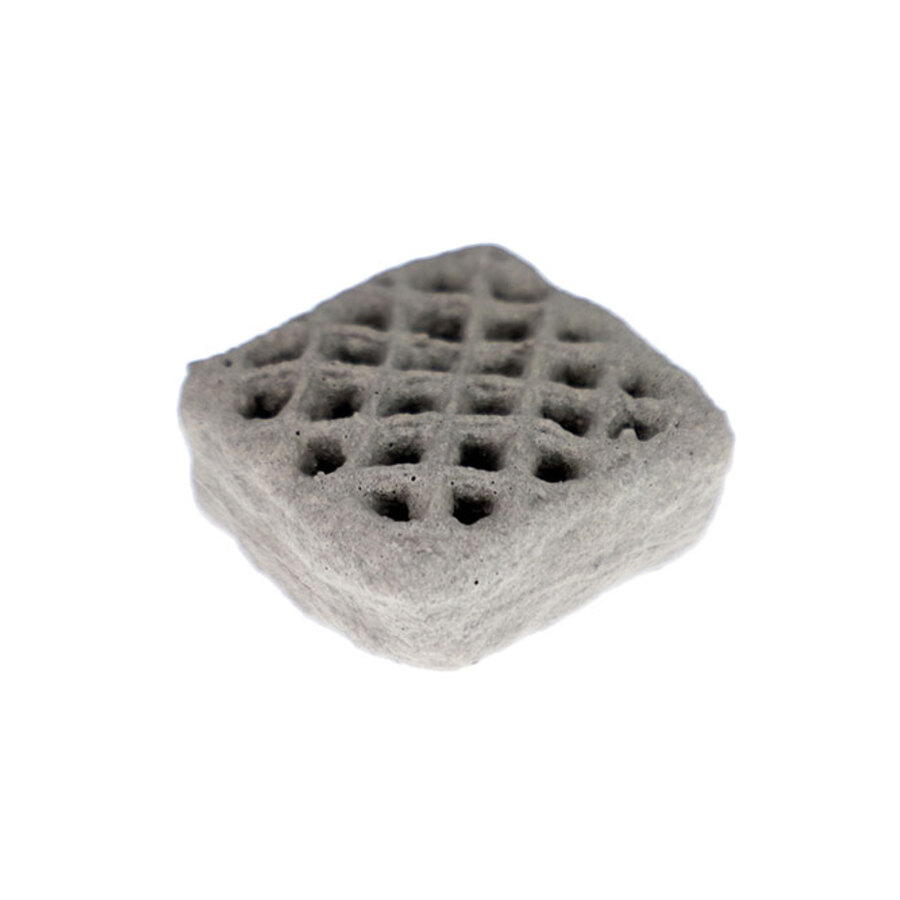
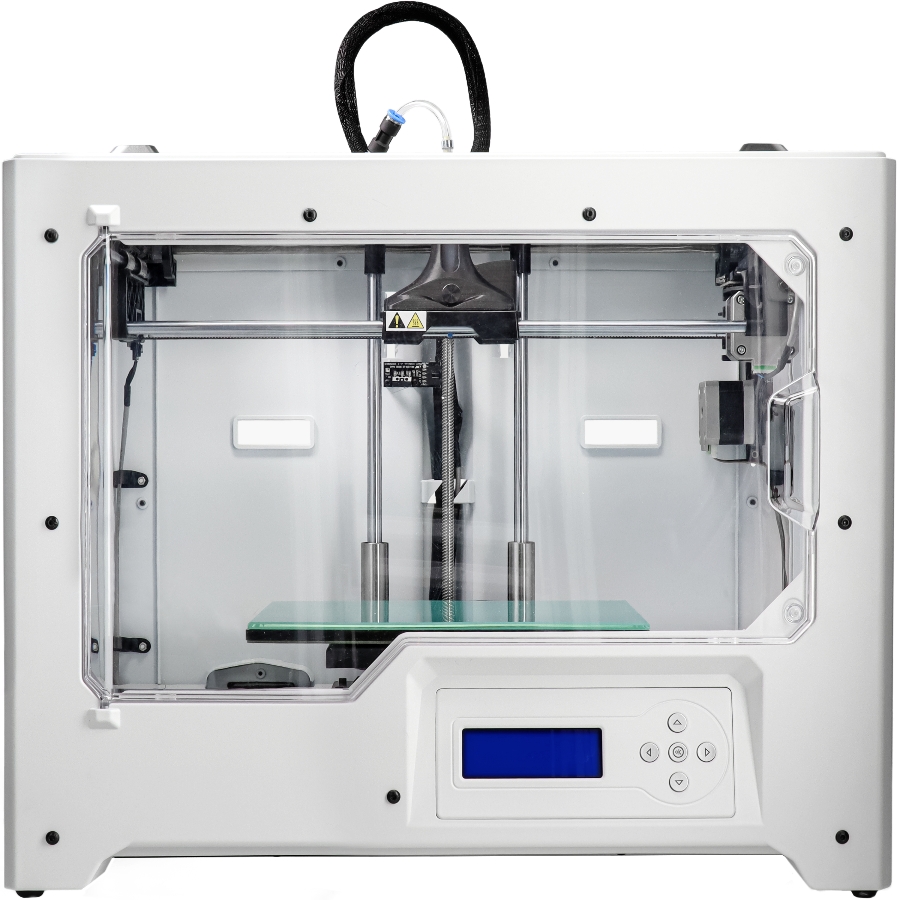
CERAMIC PASTE for Direct Ink Writing (DIW)

Ceramic paste ideal for robust and thermally stable components are essential.

  • Compatible platform:

    DIW

  • Type:

    Ceramic Pastes

Request a quote
  • Description
  • Details
  • Materials
  • Documents
  • Videos
  • Review

Description

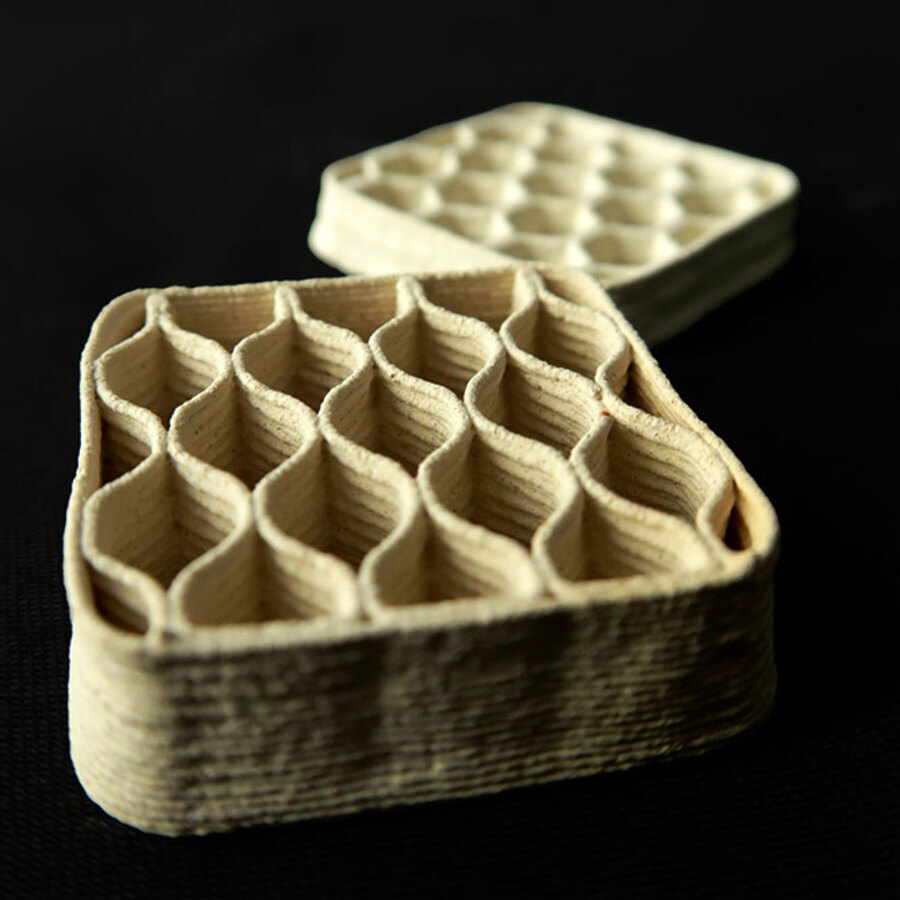
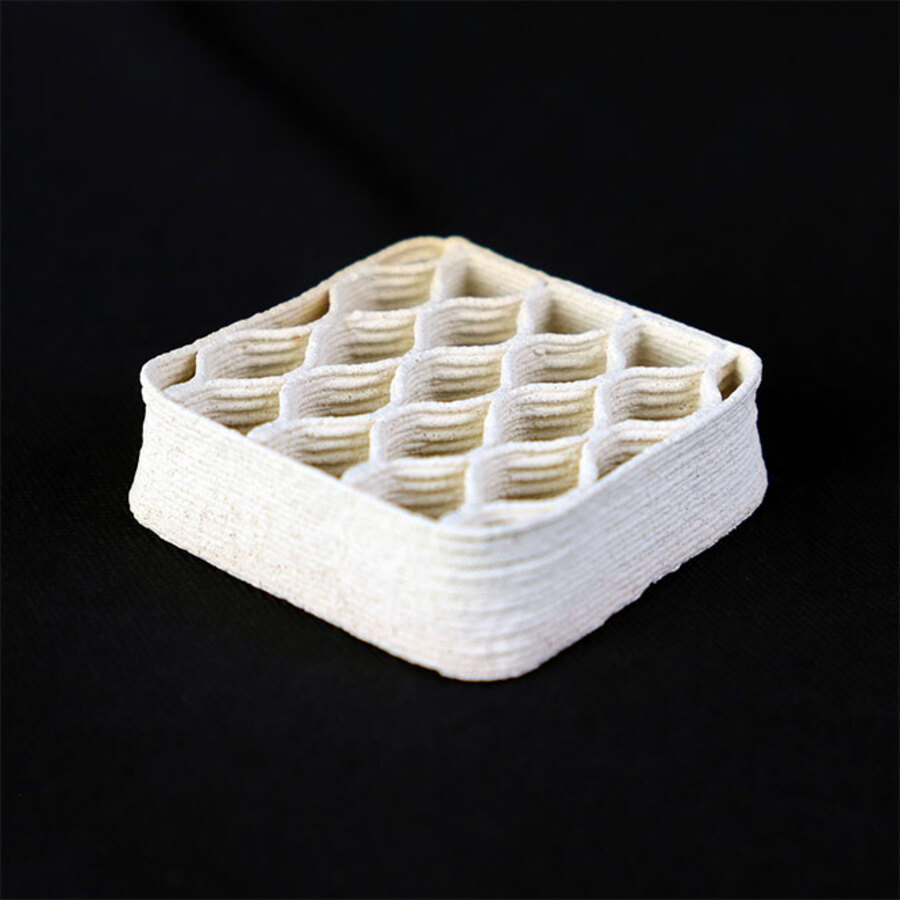
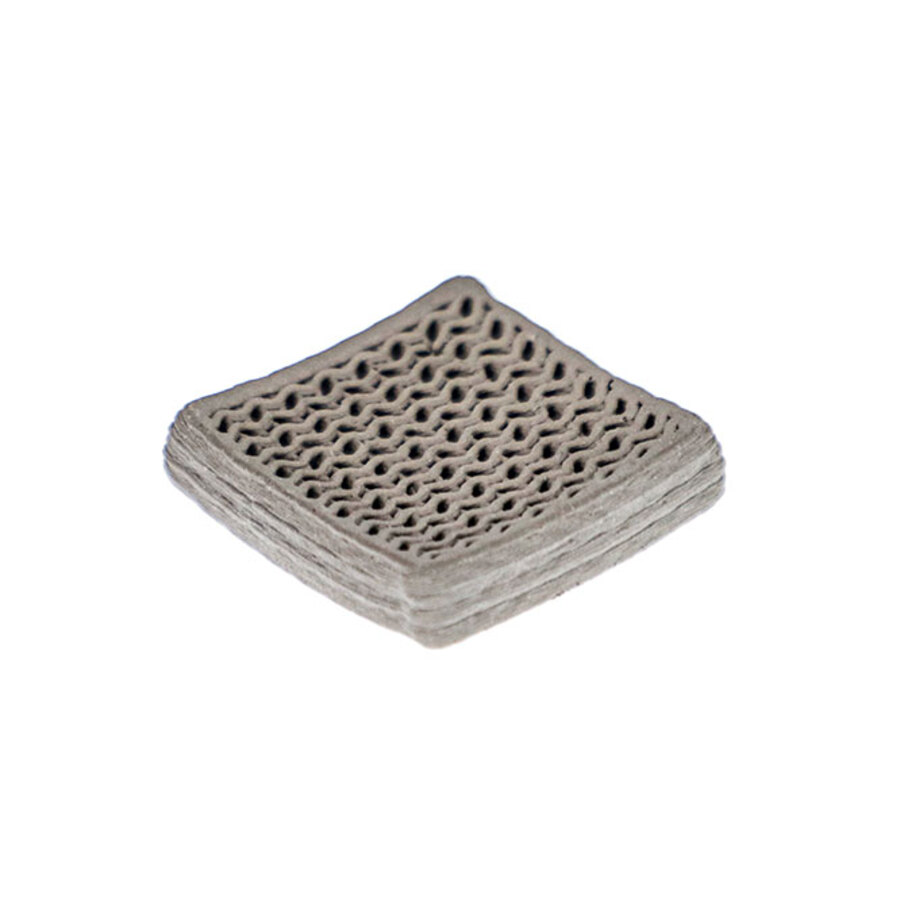
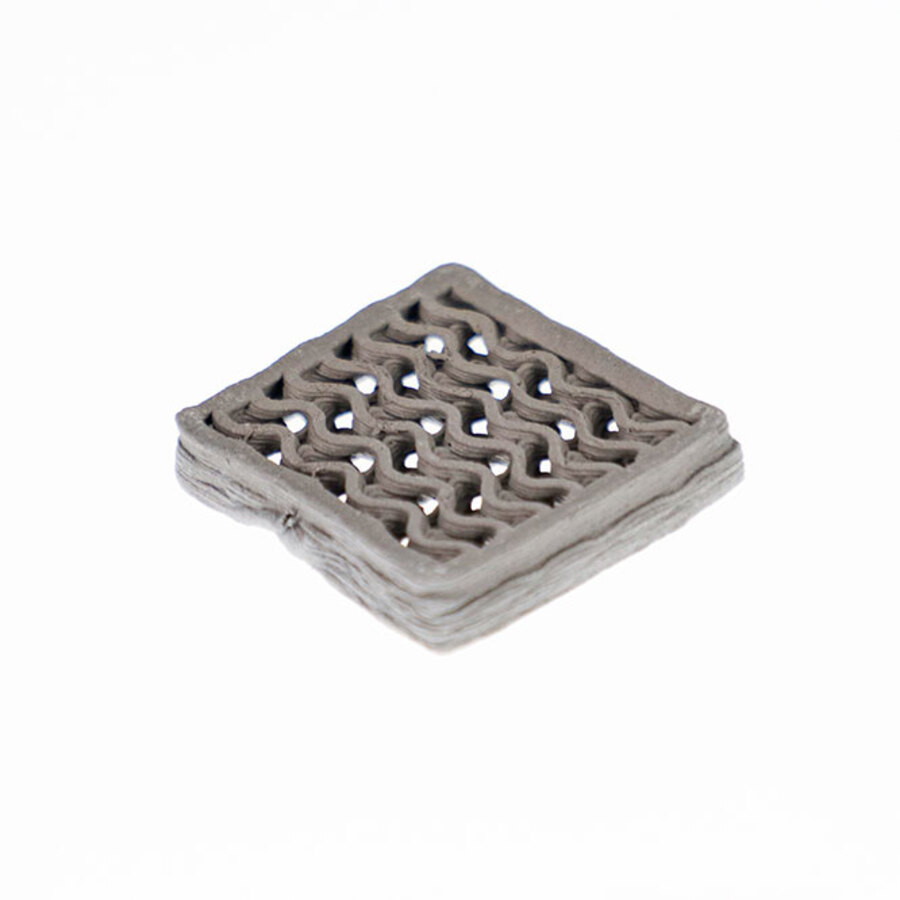
3D printing with ceramics is transforming various industries, capitalizing on ceramics’ renowned qualities such as exceptional heat resistance, mechanical strength, and electrical insulation. Notably, this technology is reshaping aerospace and automotive sectors by producing high-demand items like ceramic turbine blades and engine components, optimizing their performance and efficiency. These advancements in ceramic printing encompass a range of commonly procured items, including intricate ceramics and ceramic pastes. The techniques employed empower designers and engineers to enhance product performance, lower production costs, and explore innovative designs. This transformative technology is set to continue shaping industries and sparking creativity in modern ceramic-based manufacturing.


Ceramic Pastes Parameters:

• Aluminum Oxide (Al2O3): High thermal conductivity, electrical insulation, and resistance to wear and corrosion.

• Yttria-Stabilized Zirconia (YSZ): Excellent thermal and chemical stability, used in high-temperature applications.

• Silicon Carbide (SiC): Extremely hard and wear-resistant, with high thermal conductivity and chemical resistance.
• Zirconium Oxide (ZrO2): High fracture toughness and thermal expansion, suitable for structural applications.
• Aluminosilicate (Al2O3-SiO2): High-temperature stability and thermal shock resistance, used in refractory applications.
• Titanium Dioxide (TiO2): High refractive index and dielectric properties, commonly used in optical and electronic applications.


CERAMIC PASTES for Direct Ink Writing industrial applications


Automotive


• Cylinder Head Gaskets


Substrate Material: Alumina (aluminum oxide)
Product Name: Cotronics Resbond 940
Description: Used in high-temperature areas such as engine cylinder heads


Medical


• Autoclave Gaskets


Substrate Material: Stainless steel          Product Name: Aremco Pyro-Putty 2400
Description: Used in autoclaves for sterilizing medical instruments, requiring high temperature and pressure resistance.


Chemical Industry


• Chemical Pump Gaskets


Substrate Material: Graphite
Product Name: Aremco Ceramabond 503
Description: Used in chemical pumps requiring corrosion and chemical resistance.


Food Industry


• Industrial Oven Gaskets


Substrate Material: Clay
Product Name: Aremco Ceramabond 571

Description: Used in industrial ovens for food production, providing high temperature resistance.


Pharmaceutical Industry


• Chemical Reactor Gaskets


Substrate Material: Alumina (aluminum oxide)
Product Name: Aremco Ceramabond 569
Description: Used in chemical reactors in the pharmaceutical industry, requiring high purity and chemical resistance.


Packaging Industry


• Packaging Machine Gaskets


Substrate Material: Stainless steel
Product Name: Aremco Ceramabond 571
Description: Used in packaging machines requiring high temperature resistance.


Electronics


• High-Temperature Device Gaskets


Substrate Material: Alumina (aluminum oxide)
Product Name: Aremco Ceramabond 503
Description: Used in electronics operating at high temperatures, such as electronic
furnaces.


Case study. The HydroGEN project – 3D printed sealing for solid oxide electrochemical cell stacks.


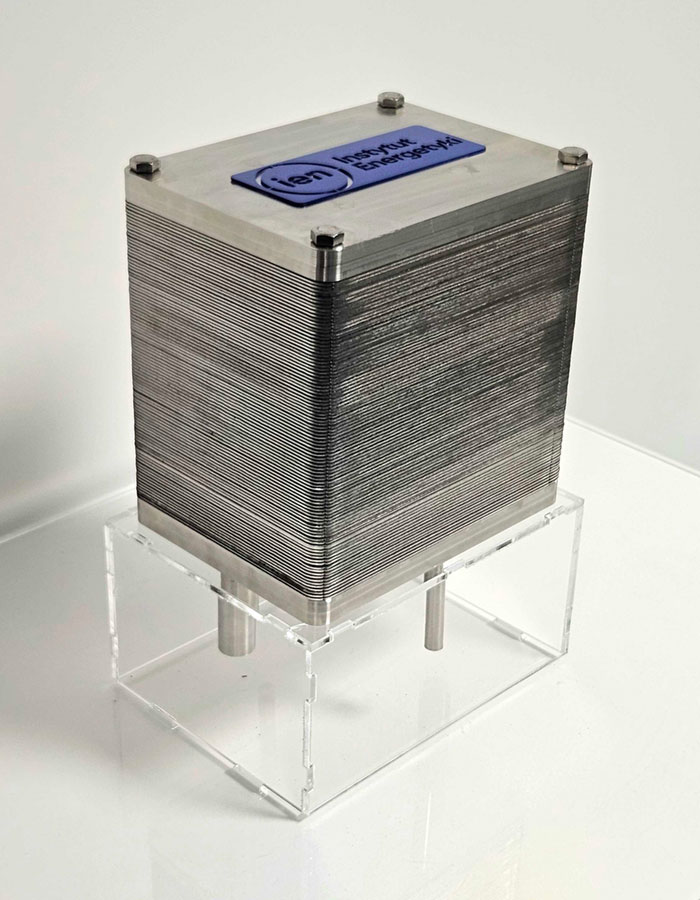
The HydroGEN project is a modular installation of reversible Solid Oxide Cells (rSOC), intended for integration into an industrial power plant to improve its flexibility of operation and increase the use of renewable energy sources in the hydrogen power sector. It is the brainchild of our partner, the Institute of Power Engineering (IEn).


Constructing the stack of solid oxide

electrochemical cells


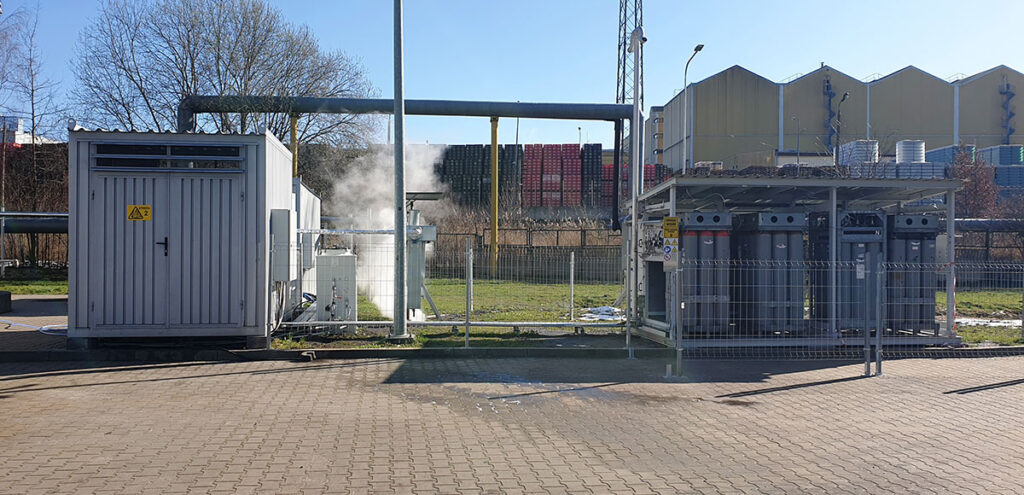
HydroGEN is based on reversible solid oxide electrochemical cells operating alternately according to the power-to-gas (P2G) concept – in electrolyzer (SOE – Solid Oxide Electrolyser) and fuel cell (SOFC – Solid Oxide Fuel Cell) modes. The HydroGEN-based installation was designed and delivered by IEn in form of a container system integrated with EC Elbląg power plant within the Hydrogin project (realized by CBRF Energa Grupa Orlen and IMP PAN).


The sealing elements of the solid oxide cell stacks, manufactured by IEn, were made using a low-cost and waste-free 3D printing method on dedicated E-NIS machines designed and manufactured by Sygnis SA.

hydrogen-project-1b-1


The role of seals in the stack


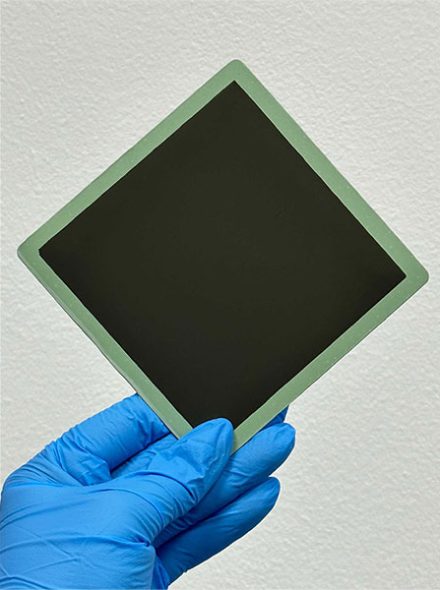
The seal used in order to separate the fuel and air zones inside the device is characterized by an ultra-low gas permeability coefficient. This requirement is met by glass-ceramic seals with strictly defined properties, optimized in the course of multivariate tests, which include: stability in oxidizing and reducing atmospheres over a wide range of partial pressures, resistance to thermal cycling over the life of the stack, compatibility of thermal expansion coefficient values with the parameters of other stack components, electrical insulation (preventing short-circuiting of cells in the stack), chemical compatibility with sealed components, as well as ease of manufacture and low cost.

hydrogen-project-2c-1


The seals developed at the Institute of Power Engineering are made using an innovative method of 3D printing from glass paste using the E-NIS printers developed and manufactured by Sygnis SA. This is a low-cost and waste-free technology. The spatial printing technique allows the formation of a glass paste sealing material with appropriate rheological properties directly on the flat and corrugated surfaces of SOC stack elements. It also offers the possibility to build multilayer seals, thus allowing to optimize their thickness according to the application. Direct application of the seal to SOC stack components contributes to the elimination of redundant unit operations in the preparation of glass-ceramic seals and significant time savings, allowing the process to be more efficient and maintain its high repeatability.


hydrogen-project-4-1


The spatial printing technique allows the formation of a glass paste sealing material with appropriate rheological properties directly on the flat and corrugated surfaces of SOC stack elements. It also offers the possibility to build multilayer seals, thus allowing to optimize their thickness according to the application. Direct application of the seal to SOC stack components contributes to the elimination of redundant unit operations in the preparation of glass-ceramic seals and significant time savings, allowing the process to be more efficient and maintain its high repeatability. 


3D printing allows for precise reproduction of the designed shape and ensures high quality and accuracy of the completed print. In addition, the use of waste-free 3D printing technology in the process of forming seals based on solid oxide electrochemical cells allows the production of seals with filler, patented by the Institute of Power Engineering. Such seals provide the required thickness and other gasket properties under equipment operating conditions, and are based on the use of, for example, waste ceramic powders from other industries as a sealing component.


  • Brand Sygnis
  • Substrate materials Alumina (aluminium oxide), stainless steel, graphite, clay
  • Printing Materials Ceramic Pastes
  • Technology DIW

Videos

Send Us a Message

Request a quote

Scan My Object

Please describe your part and scanning needs. Include details like size, material, and how you plan to use the 3D model. Let us know if you require additional services like digital sculpting. Upload images of your part(s) if you have them.

Ask for details

Partner with us

Get instant quote

Talk to Material Expert

Select the unit of measurement for your file
No 3D file? We’ve got you. We can design it for you or scan your existing part.
Upload a photo or drawing if you have one — we’ll get in touch soon.
Select the unit of measurement for your file
No 3D file? We’ve got you. We can design it for you or scan your existing part.
Upload a photo or drawing if you have one — we’ll get in touch soon.
Select the unit of measurement for your file
No 3D file? We’ve got you. We can design it for you or scan your existing part.
Upload a photo or drawing if you have one — we’ll get in touch soon.
Select the unit of measurement for your file
No 3D file? We’ve got you. We can design it for you or scan your existing part.
Upload a photo or drawing if you have one — we’ll get in touch soon.